guide
Sagrada Familia Facts: Gaudi, Towers, and Ongoing Work
The first fact is duration
Sagrada Familia is a basilica in Barcelona begun in 1882 and still defined by long-running construction. That duration is not a side note. It changes how the building is read. The project is not a finished monument from one frozen moment; it is a work where religious program, city growth, craft, engineering, tourism, and public patience have overlapped for generations.
Gaudi turned structure into symbolism
Antoni Gaudi is central because the building's most memorable ideas join structure and meaning. The branching interior columns are not only decorative tree references. They distribute load, organize the nave, and make the roof feel like a constructed canopy. The same habit appears across the basilica: geometry, nature, theology, and craft are pushed into one architectural language.
The facades teach different readings
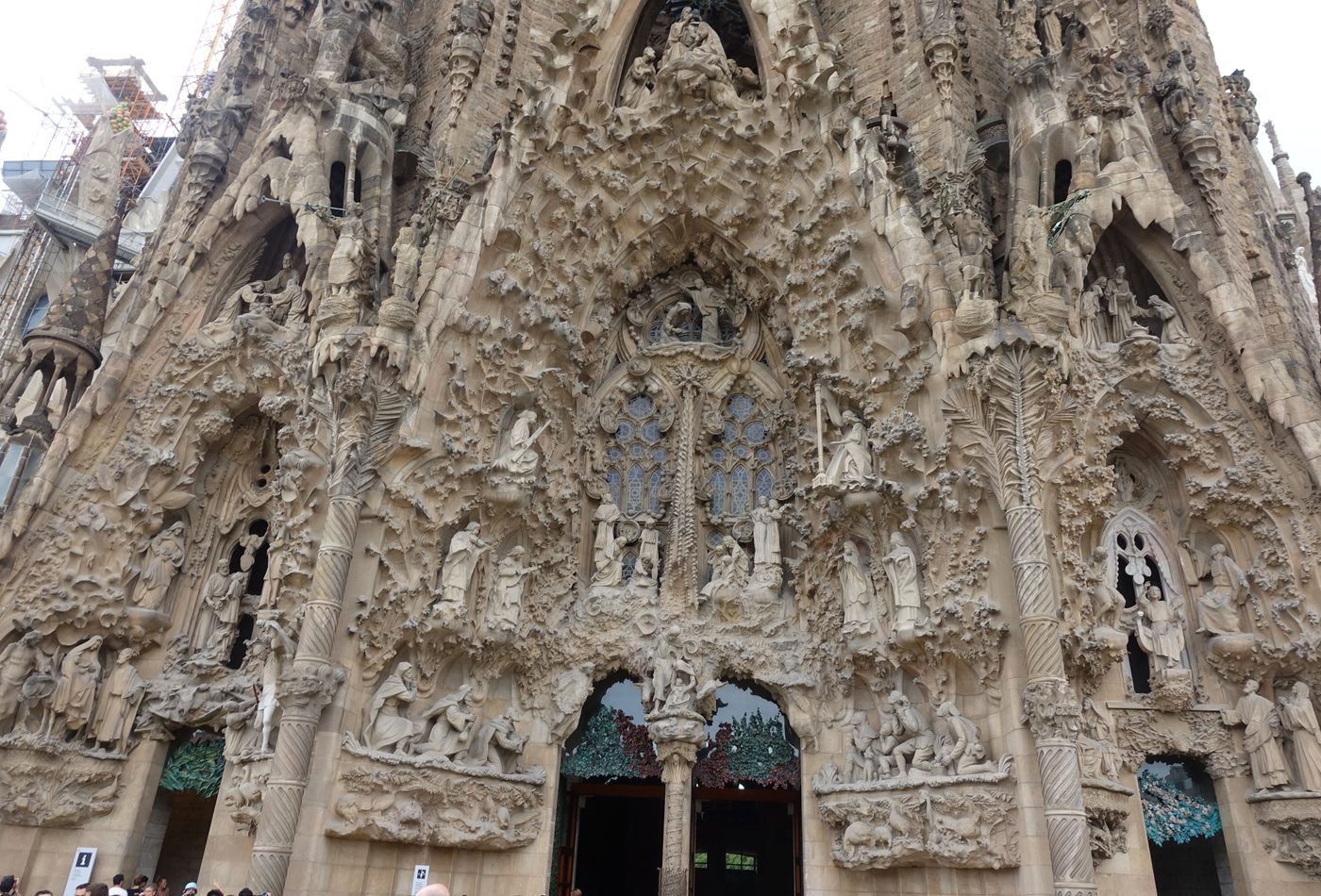
The building is best understood through its facades, each carrying a different emotional and symbolic register. The Nativity facade is dense, carved, and organic, pulling the viewer into scenes, figures, plants, and surfaces. Other facades use sharper, more austere language. That difference matters because Sagrada Familia is not one neutral exterior. It is a set of theological and architectural episodes gathered into one basilica.
The interior is a structural lesson
Inside, the most useful facts are visible: columns branch, vaults open overhead, and stained glass changes the atmosphere by color and direction. The interior does not behave like a conventional Gothic nave copied into a modern city. It translates Gothic height and sacred procession through Gaudi's geometry, making stone, concrete, and light feel part of the same system.
Materials carry time
Stone, concrete, and stained glass record the building's extended life. Older and newer work can sit near one another, so the visitor sees not only a style but a construction history. The material reading should include carving, structural mass, surface weathering, and colored light. Those clues explain why the basilica feels ancient, modern, and unfinished at the same time.
Why the facts matter
The basic facts should help a reader avoid two shallow responses: treating Sagrada Familia only as a tourist icon, or treating it only as an unfinished curiosity. Its importance comes from the way a basilica program became an architectural laboratory. The year marker, architect, materials, facades, columns, and light all point to one question: how can a sacred building keep accumulating meaning while construction continues?
What to verify visually
Use the facts against the building itself. The date range should make you look for older and newer construction. The architect should make you test where Gaudi's organic geometry is still legible. The material list should send your eye from carved stone to concrete structure and then to colored glass. The type should remind you that this is a basilica, so procession, nave, altar, and symbolic storytelling matter as much as the skyline image.
Fact reading check
A useful fact page should let the reader name what to look for before opening another guide: branching interior columns, symbolic facades, colored light, and the tension between Gothic inheritance and Catalan Modernisme. If those facts stay connected to visible evidence, the building becomes easier to study from photos, drawings, or a real visit.