Unusual Buildings Around the World
A curated path into buildings whose form, setting, or story makes people stop and ask how they were designed.
Open collectiontheme index
Explore curated architecture collections, from unusual buildings to glass landmarks and waterfront icons.
A curated path into buildings whose form, setting, or story makes people stop and ask how they were designed.
Open collectionGlass buildings reveal structure, reflection, transparency, and urban contrast in ways that change with the light.
Open collectionorientation
Architecture Themes helps readers choose a focused route through the atlas: explain why a collection exists before asking readers to compare its buildings. On Architecture Themes, start with Sydney Opera House, Dancing House, Eiffel Tower, Sagrada Familia, and Casa Batllo, then choose the entry where form, material, city setting, or style is easiest to verify. The useful outcome for Architecture Themes is a clearer architectural question, such as which roofline, facade, structure, material, or city view deserves closer reading.
Sydney Opera House, Dancing House, Eiffel Tower, Sagrada Familia, and Casa Batllo give Architecture Themes a visible starting set. On Architecture Themes, they connect the page to patterns such as Modernist Architecture, Deconstructivist Architecture, Structural Expression, Gothic Architecture, and Art Nouveau Architecture, with material clues including concrete, ceramic tile, glass, steel, iron, and stone. The point of Architecture Themes is to turn a broad entry point into specific buildings, details, routes, and comparison paths that a reader can check on the page.
Before leaving Architecture Themes, choose one visible clue: a roofline, a facade rhythm, a structural system, a material surface, or a city view. That small decision makes Architecture Themes sharper because each featured link is judged by evidence, not fame alone. The comparison should help Architecture Themes separate buildings that only look familiar from buildings with a visible architectural idea.
From Architecture Themes, open one building page for a close reading, then return only if a second example will sharpen the question. If Architecture Themes raises a place question, move into a city or route; if it raises a vocabulary question, move into a style or glossary page. If Architecture Themes raises a theme question, use the curated collection that makes the contrast most visible.
Architecture Themes needs one visual evidence check before it sends readers onward: explain why a collection exists before asking readers to compare its buildings. On Architecture Themes, compare Sydney Opera House, Dancing House, Eiffel Tower, Sagrada Familia, and Casa Batllo through style cues around Modernist Architecture, Deconstructivist Architecture, Structural Expression, Gothic Architecture, and Art Nouveau Architecture, then confirm dates, coordinates, image credits, materials, and related works on the building pages. A reader should leave Architecture Themes knowing one next building and one design clue to test there. If Architecture Themes feels too broad, narrow the route through concrete, ceramic tile, glass, steel, iron, and stone before opening a full building guide.
Before leaving Architecture Themes, match one concrete question to one visible clue. If Architecture Themes is serving place context, open the city or map route; if it is serving vocabulary, open a style or glossary page. If Architecture Themes needs evidence through a real project, open Sydney Opera House, Dancing House, Eiffel Tower, Sagrada Familia, and Casa Batllo and inspect concrete, ceramic tile, glass, steel, iron, and stone against Modernist Architecture, Deconstructivist Architecture, Structural Expression, Gothic Architecture, and Art Nouveau Architecture. The better route from Architecture Themes is slower: choose one building, note one material or form decision, then compare it with a second page that confirms the pattern or makes the difference sharper.
featured buildings
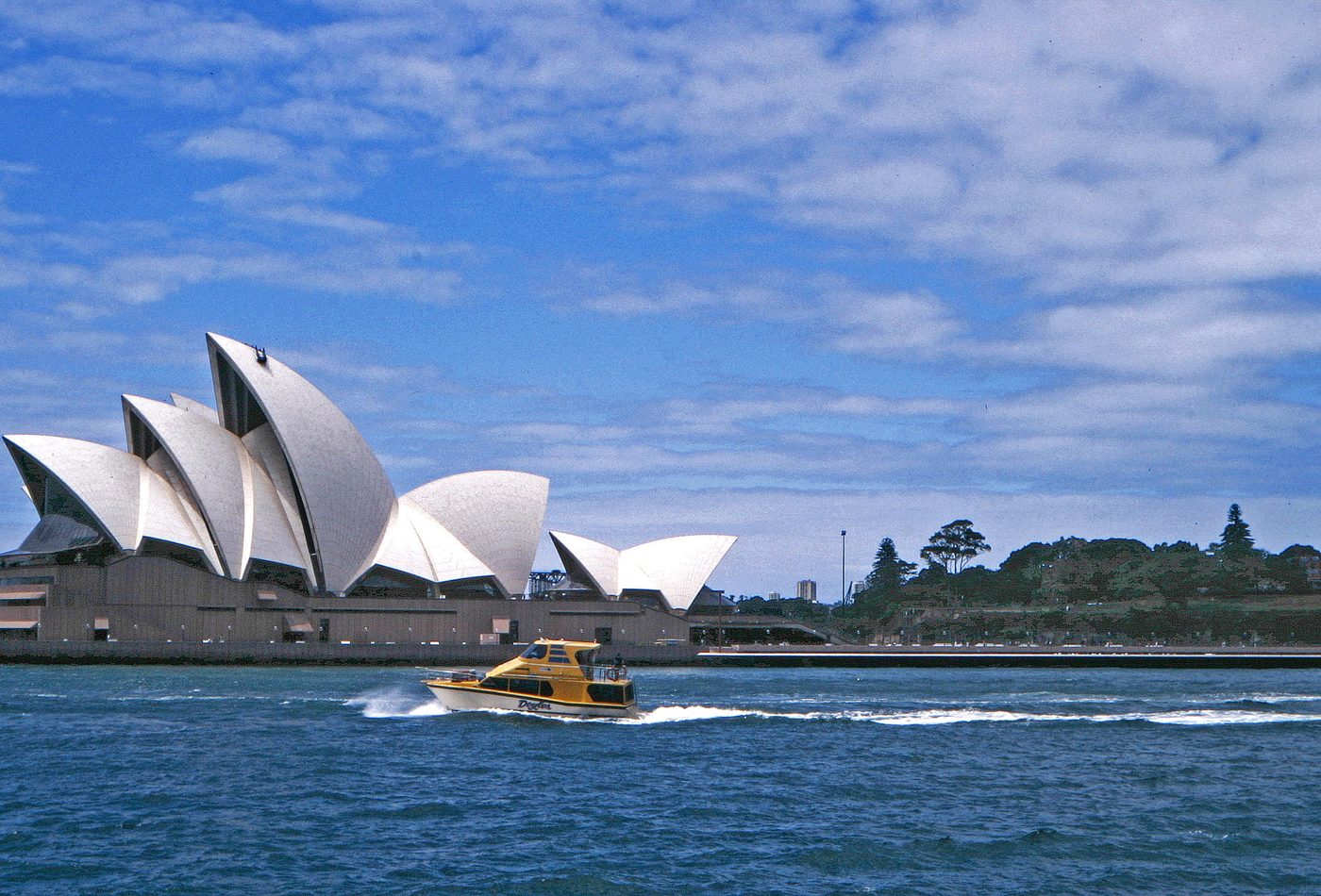
A waterfront performing arts complex known for its shell-like roof forms.
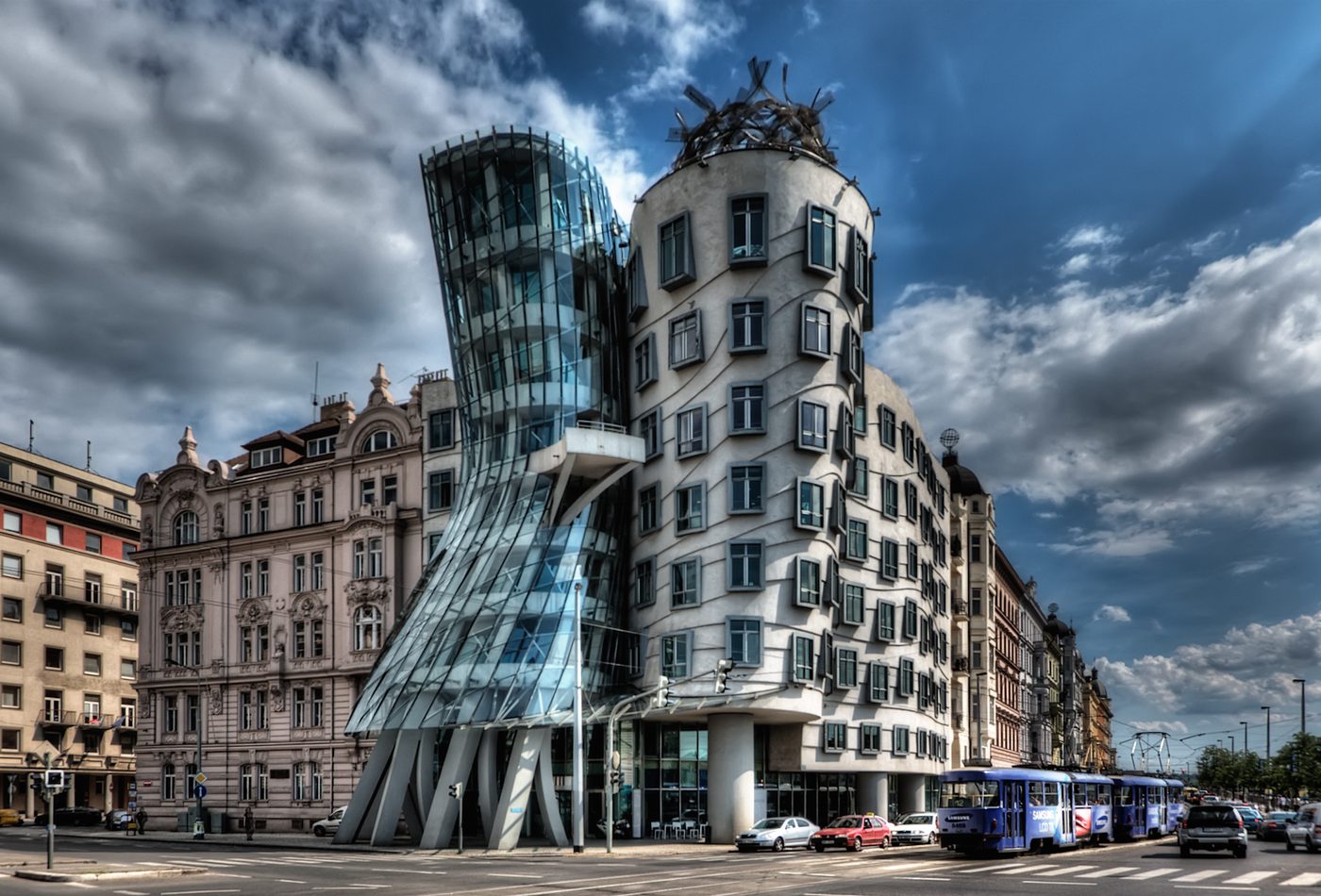
A Prague office building famous for two towers that appear to lean and dance.
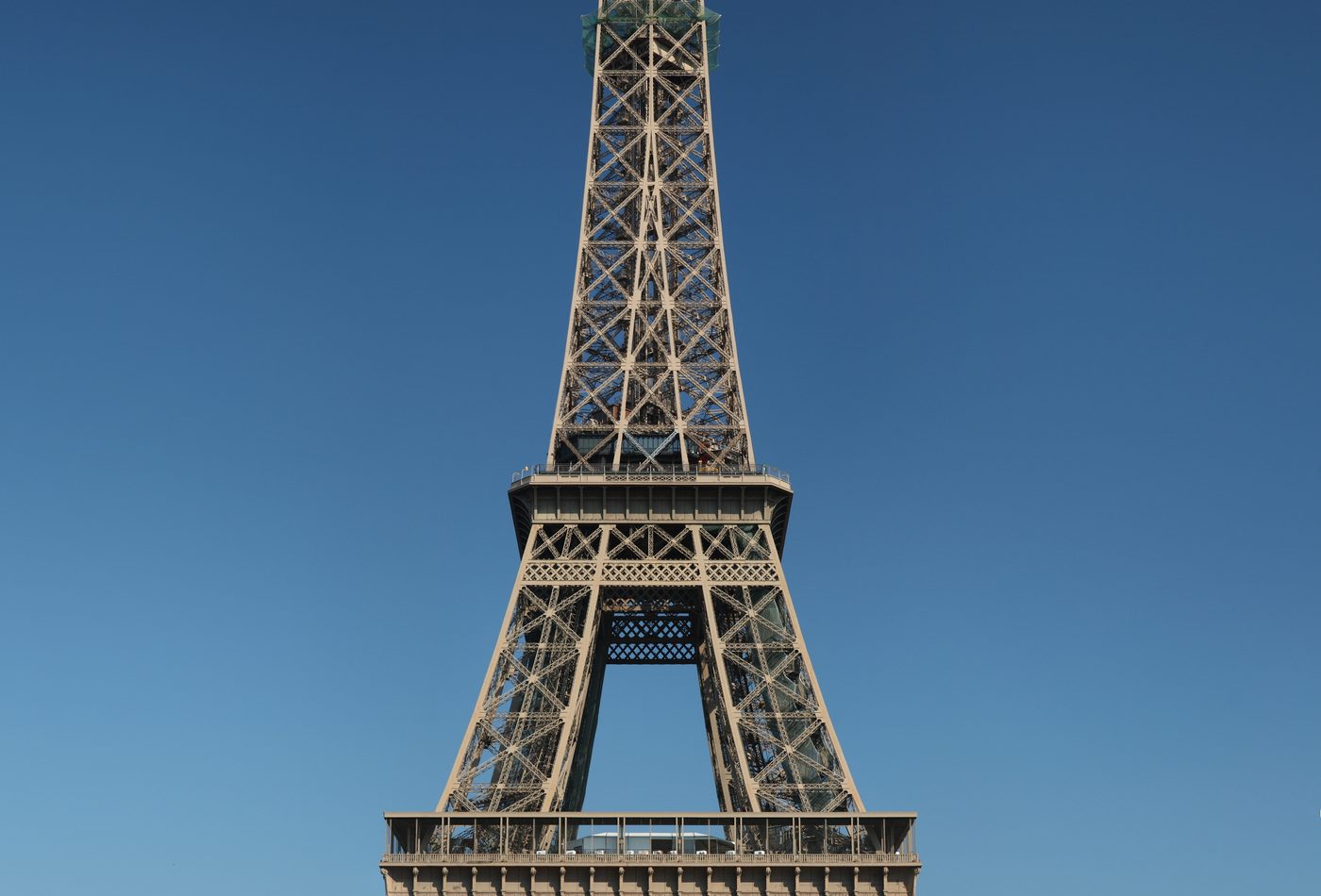
An iron lattice tower built for the 1889 Exposition Universelle.
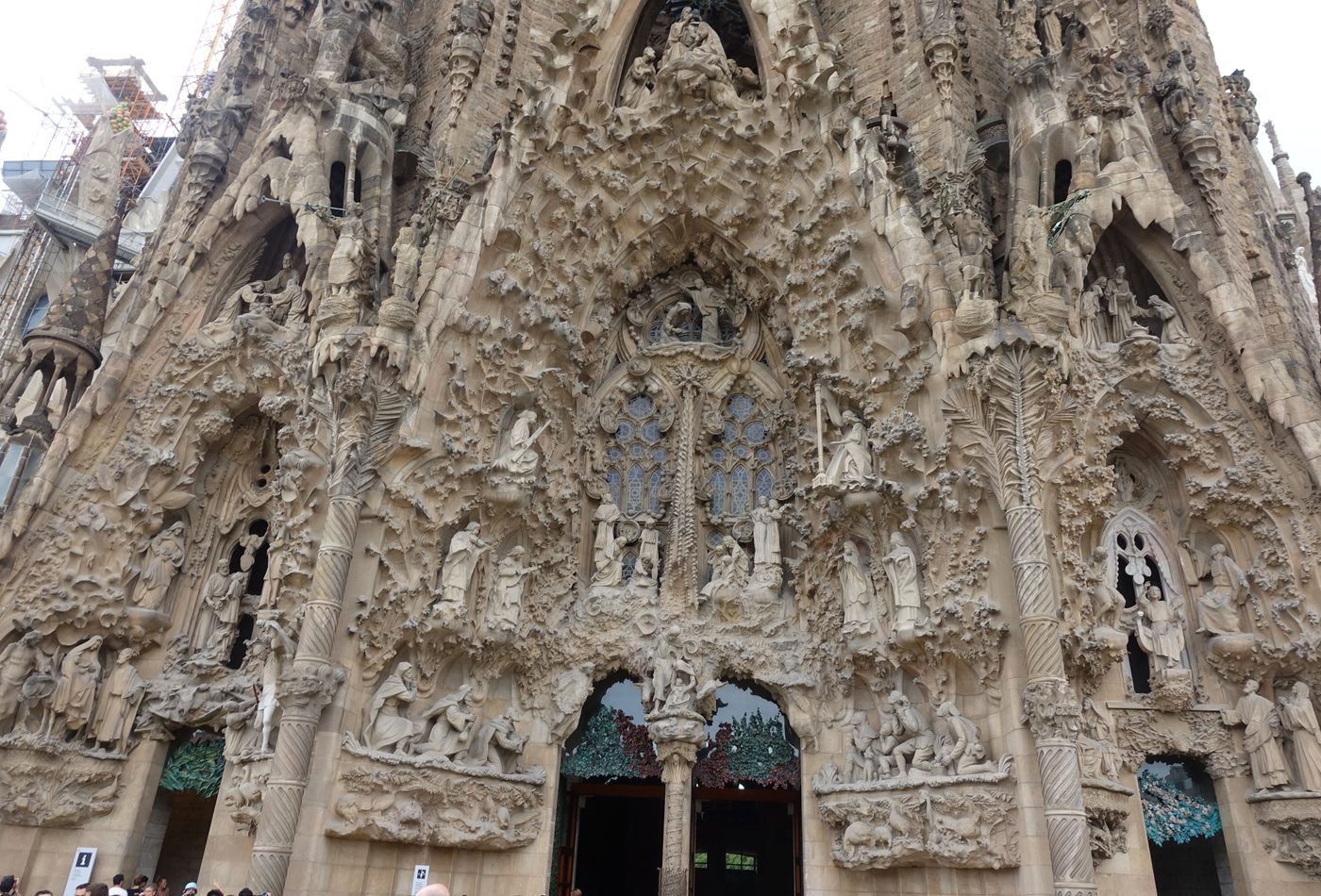
A monumental basilica in Barcelona associated with Antoni Gaudi and long-running construction.
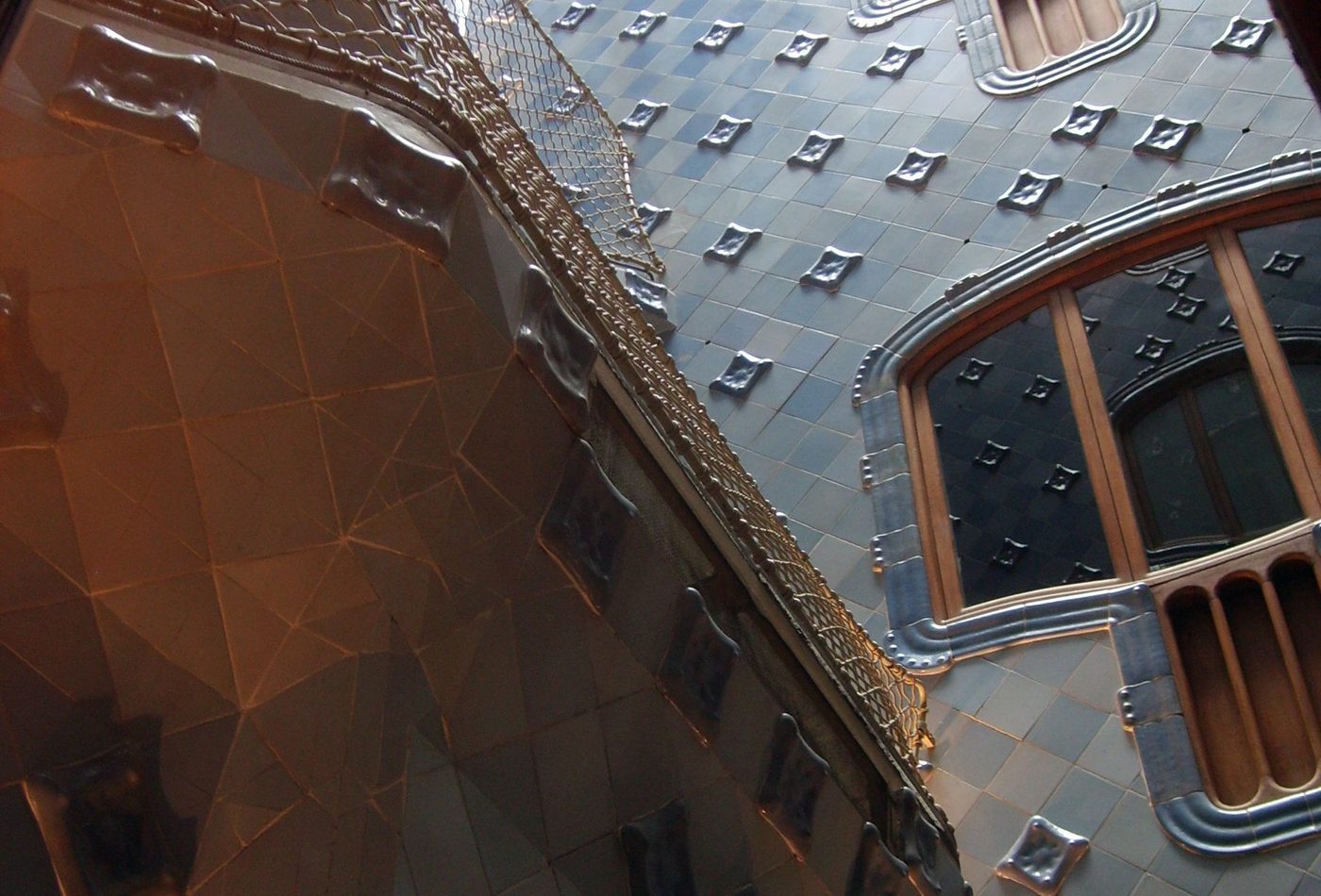
A remodelled Barcelona house known for its ceramic facade, organic forms, and roofline.
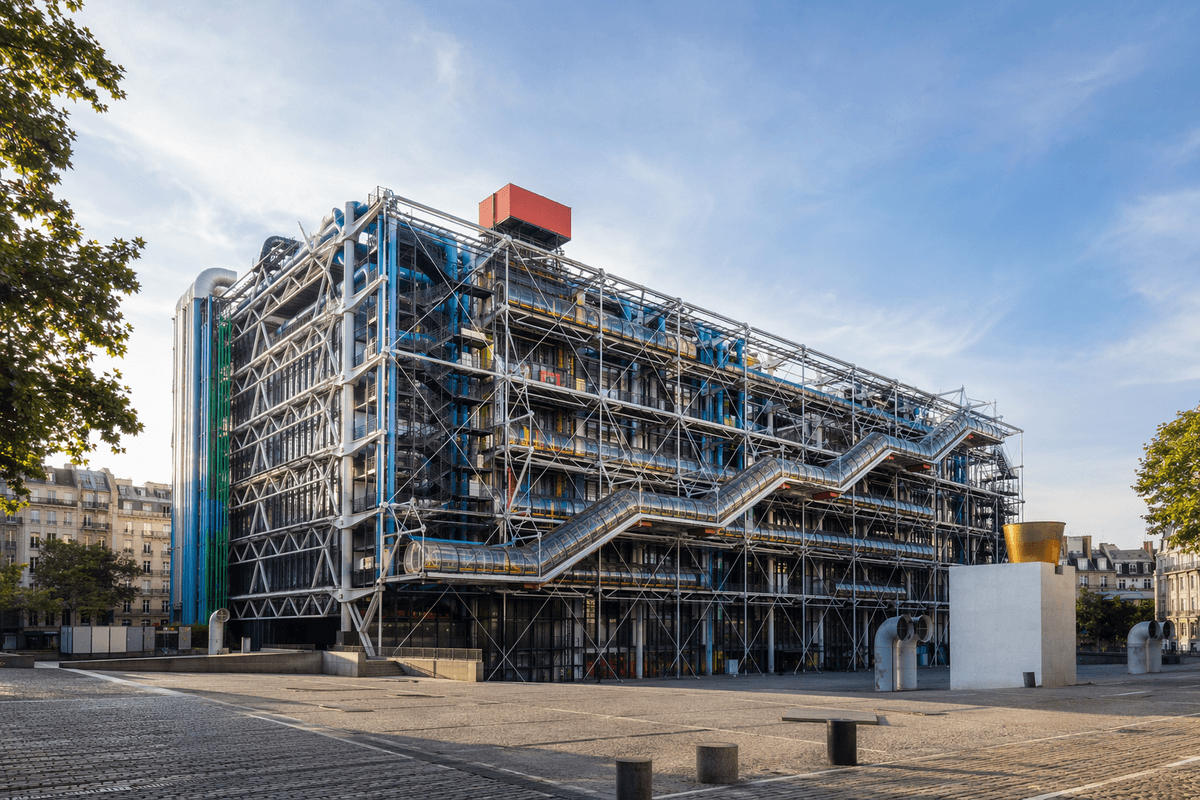
A cultural center famous for putting structure, escalators, and services on the outside.
References used for facts, location data, image credits, and architectural context on this page.