why it matters
Why this building matters
It makes a domestic building feel almost biological through craft, color, and surface movement.
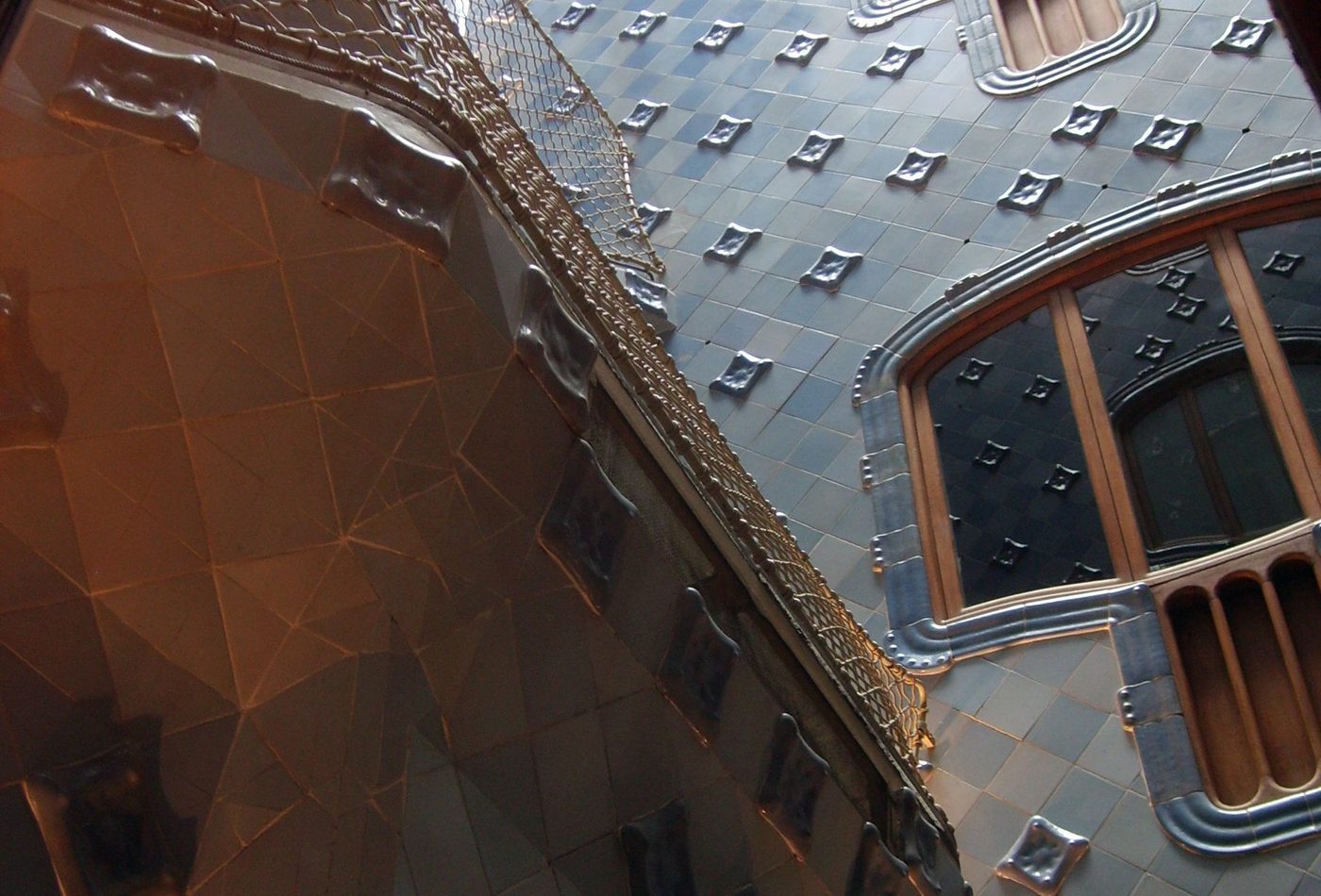
building detail
A remodelled Barcelona house known for its ceramic facade, organic forms, and roofline.
Photo credit: Martin Vorel / Public domain license.
why it matters
It makes a domestic building feel almost biological through craft, color, and surface movement.
what to notice
explore by place and style
map notes
Use the coordinates as anchors for reading the buildings in relation to streets, water, skyline, and nearby landmarks.
41.3917, 2.164941.4036, 2.174450.0755, 14.4142Map coordinates are listed with provider attribution handled through the source records.
architecture guide
A fuller reading of the building's history, setting, form, materials, and public role.
Casa Batllo is a house museum in Barcelona completed as a remodel in 1906, and that fact matters more than a simple date label. The building did not begin as a blank-site monument. Gaudi transformed an existing urban house into a surface, interior, roofscape, and light system that feel almost biological. That makes the project a study in how renovation can become invention.
The building is known for its ceramic facade, curved openings, mask-like balconies, and scale-like roof. Those are not separate decorative facts. They work together to make the street elevation feel alive, as if the house has skin, bones, and movement. A reader should start with the facade because it explains how a domestic building became one of Barcelona's most recognizable public images.
The material palette includes ceramic, stone, glass, and iron. Ceramic gives color and surface vibration. Stone shapes the lower levels and openings. Glass brings reflection and changing light. Iron makes balconies and details feel both crafted and skeletal. The facts are useful only when tied to what those materials do: they break ordinary residential repetition and turn the facade into a crafted field.
Casa Batllo is often remembered from the street, but the blue lightwell is essential to the architectural facts. It shows Gaudi working with light, color, and domestic interior conditions rather than only exterior fantasy. The graded blue surfaces help organize daylight inside the house, reminding the reader that the project is a lived building transformed through craft, not only a theatrical facade.
The scale-like roof gives Casa Batllo a profile that is easy to remember without making the building symmetrical or monumental. It turns the top into a creature-like surface, while the balconies below suggest masks or bones. That relationship between roof and facade is why the house feels animated from the street. The building's public memory depends on silhouette and close material texture at the same time.
The basic facts should prevent a shallow reading of Casa Batllo as merely colorful or whimsical. The year places it within Barcelona Modernisme; the type explains its domestic origin; the materials explain its tactile power; and the visible details show how craft reorganizes an urban house. The important lesson is that a small city building can become architecturally intense without needing monumental scale.
Use the facts as a checklist against the house. The remodel fact should make you look for how an ordinary urban frontage was transformed. The material list should make you separate ceramic shimmer, carved stone, reflective glass, and iron balcony edges. The house museum type should remind you to connect exterior image with interior light and movement.
A useful fact page should leave the reader ready to identify four things: the ceramic surface, the mask-like balconies, the scale-like roof, and the blue lightwell. Those details connect public image with construction, interior light, and street presence. If they stay connected, Casa Batllo reads less like fantasy and more like a precise exercise in domestic transformation.
Casa Batllo is powerful because it keeps the scale of a city house while making the building feel organic. The design does not rely on one huge gesture. It works through facade surface, balcony shape, roof profile, interior light, and handcrafted detail. The result is a building that feels animated without losing its basic urban role on a Barcelona street.
An ordinary residential facade often depends on repeated windows, floors, and balcony lines. Casa Batllo bends that expectation. Openings seem softened, balconies become mask-like, and the ceramic skin disrupts flat repetition. Yet the facade is not chaotic. It keeps enough rhythm for the house to remain legible as a building, while every detail resists the dullness of a standard apartment elevation.
The scale-like roof is not just a picturesque top. It changes how the whole facade is read. The body of the house appears to rise into a textured crest, so the building gains a figure-like quality. This roof-to-facade relationship is central to the design. Without it, the facade could feel like a decorative surface; with it, the house becomes a full vertical composition.
Ceramic, stone, glass, and iron each carry a different kind of movement. Ceramic creates color shifts across the facade. Stone gives openings a soft carved quality. Glass catches street light and reflection. Iron sharpens balconies and detail edges. The design succeeds because the materials do not simply cover the building. They make the building's movement visible at several scales.
A design analysis should not stop outside. The blue lightwell proves that Casa Batllo's organic language also works through interior atmosphere. It manages daylight, color, and vertical movement inside the house. This matters because the project is not only a facade experiment. It uses light and craft to reshape domestic experience, turning circulation and rooms into part of the same architectural language.
Casa Batllo can invite words like dreamlike or fantastical, but those words are too loose unless they are tied to control. The building's value comes from disciplined craft: repeated balcony positions, managed openings, a coherent roof profile, and a material palette that keeps the whole together. The fantasy works because it is organized through construction decisions that can be seen and tested.
Photographs are useful if they are asked to answer specific design questions. A wide facade image tests whether the roof, balconies, and ceramic field hold together as one composition. A close balcony image tests how iron and shadow make the mask-like forms legible. A lightwell image tests whether the interior continues the same design discipline rather than acting as a separate attraction.
A good design reading should explain how the facade, roof, balconies, ceramic surface, and blue lightwell work as one system. The point is not that Casa Batllo is strange. The point is that Gaudi takes domestic architecture and makes every surface, opening, and light condition participate in a larger organic reading.
Casa Batllo matters historically because a domestic remodel became a public landmark. It shows how Barcelona Modernisme could turn private urban property into a civic image through craft, color, and symbolic form. The building's fame is not only about Gaudi's authorship. It is about the way a house on a city street became a shared architectural reference.
The building belongs to a Barcelona context where architecture, craft, patronage, and city identity were closely linked. Casa Batllo should therefore be read alongside Sagrada Familia, Casa Mila, and other Modernisme works, but it has its own historical role. It compresses the movement's ambition into a smaller domestic scale, where facade, interior, and detail can be studied closely.
Gaudi's importance here is not only that he designed a recognizable image. He transformed an existing house into a coordinated architectural organism. That transformation is historically useful because it shows invention happening inside constraints: an urban plot, a domestic program, a street facade, and client expectations. Casa Batllo proves that architectural originality does not always require a new site or monumental program.
The facade entered public memory because it is legible at several levels. A passerby can remember the masks, roof, color, and curves. A student can study material craft and facade rhythm. A historian can connect it to Barcelona's early twentieth-century cultural ambition. That range explains why the building travels easily in images while still rewarding more serious architectural reading.
Casa Batllo's present public role as a house museum changes how the building is encountered. It is no longer only a private house or street facade. It is a curated visitor experience, a Barcelona icon, and a way to explain Gaudi beyond Sagrada Familia. That public afterlife matters because historic buildings keep gaining meaning through access, interpretation, tourism, and preservation.
Compare Casa Batllo with Sagrada Familia and Dancing House. Sagrada Familia shows Gaudi's religious and structural ambition at vast scale. Dancing House shows a later city using expressive form to animate a corner. Casa Batllo sits between those readings: small enough to feel domestic, but strong enough to turn a street facade into a globally recognized architectural image.
The building's later life as a visited and interpreted landmark changes the historical reading. Details once tied to private domestic life now operate as public evidence of Gaudi's method. Preservation and visitor interpretation therefore do more than keep the house open. They shape which parts of the building are noticed, photographed, explained, and remembered.
The history should change how the reader sees the house. The facade should no longer look only decorative; it should read as evidence of Modernisme craft and urban ambition. The roof should no longer look only playful; it should read as part of a controlled public image. The remodel should become central to the building's meaning, not background information.
The best first read of Casa Batllo is from across the street, where the facade can be seen as one vertical composition. Look at the roofline, balcony rhythm, lower stone forms, and ceramic surface before isolating details. From this distance the house still reads as part of the street, which matters because its originality works within an urban row rather than outside it.
Move your attention to the mask-like balconies. They are small enough to be details but strong enough to shape the whole facade. Compare their dark openings with the lighter ceramic field around them. This is where the building's organic reading becomes precise: the balconies feel animated, but they still sit within a disciplined facade rhythm.
Do not treat the roof as a separate photo moment. Read it after studying the facade. The scale-like roof changes the identity of the entire house by giving the top a creature-like finish. Look for how color, curve, and profile complete the vertical movement that begins lower on the facade. The roof makes the building memorable from a distance and stranger up close.
Casa Batllo rewards attention to transitions between ceramic, stone, glass, and iron. These materials do not meet as neutral construction layers. They shift the mood from carved lower levels to reflective surface, balcony edge, and roof texture. A visitor who studies only the color misses how much of the design depends on material change and handcrafted edges.
Inside, the blue lightwell should be treated as a major architectural event, not a secondary feature. It shows how daylight, color, and vertical circulation are managed within the house. The lightwell helps explain why Casa Batllo is more than a facade. It brings the same organic discipline into interior experience and makes domestic space feel designed from surface to atmosphere.
Make one wide facade image, one balcony close-up, one roof profile, and one lightwell or interior light study. Those four photographs preserve the building's main architectural evidence: street composition, crafted detail, skyline identity, and interior atmosphere. They also prevent the visit from collapsing into a single colorful postcard view.
Before leaving, look back at the neighboring facades. Casa Batllo is strongest when its difference is measured against the urban row. The house does not need an open plaza to be memorable; it uses a normal street condition as pressure. That contrast makes the facade more legible and keeps the visit tied to Barcelona rather than to a detached object.
After studying Casa Batllo, compare it with Sagrada Familia and Casa Mila. The point is not to rank Gaudi buildings. It is to see how similar instincts change across sacred, domestic, and apartment-building programs. Casa Batllo is especially useful because it shows Gaudi's organic language compressed into a street facade and a house interior.
Use a simple order: whole facade, balconies, ceramic surface, roofline, material transitions, then blue lightwell. That route keeps the visit architectural. It moves from public image to detail and then into interior light. Casa Batllo is easy to enjoy quickly, but it becomes more useful when the visitor can explain how craft, color, structure, and domestic space reinforce one another.
continue reading
related buildings
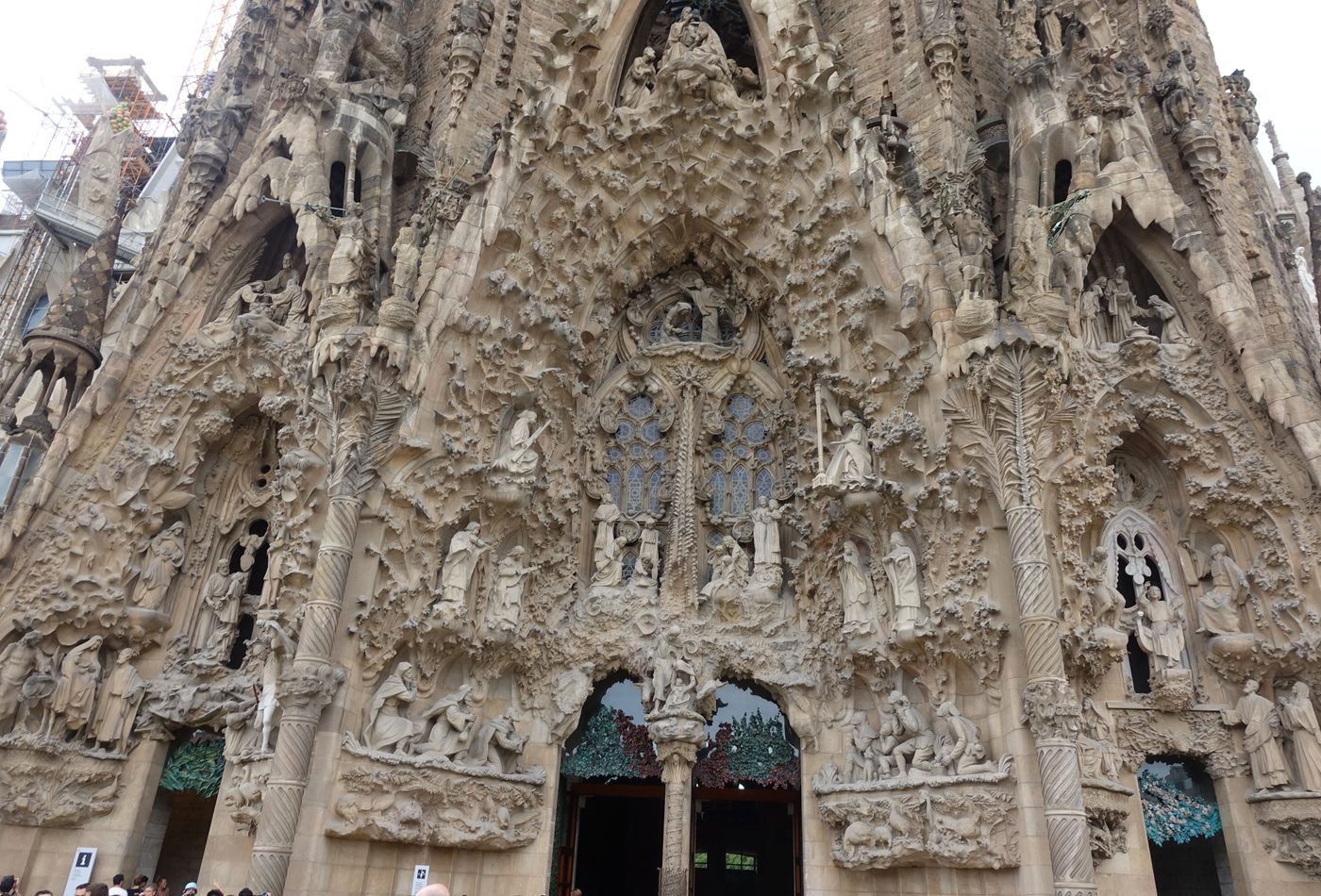
A monumental basilica in Barcelona associated with Antoni Gaudi and long-running construction.
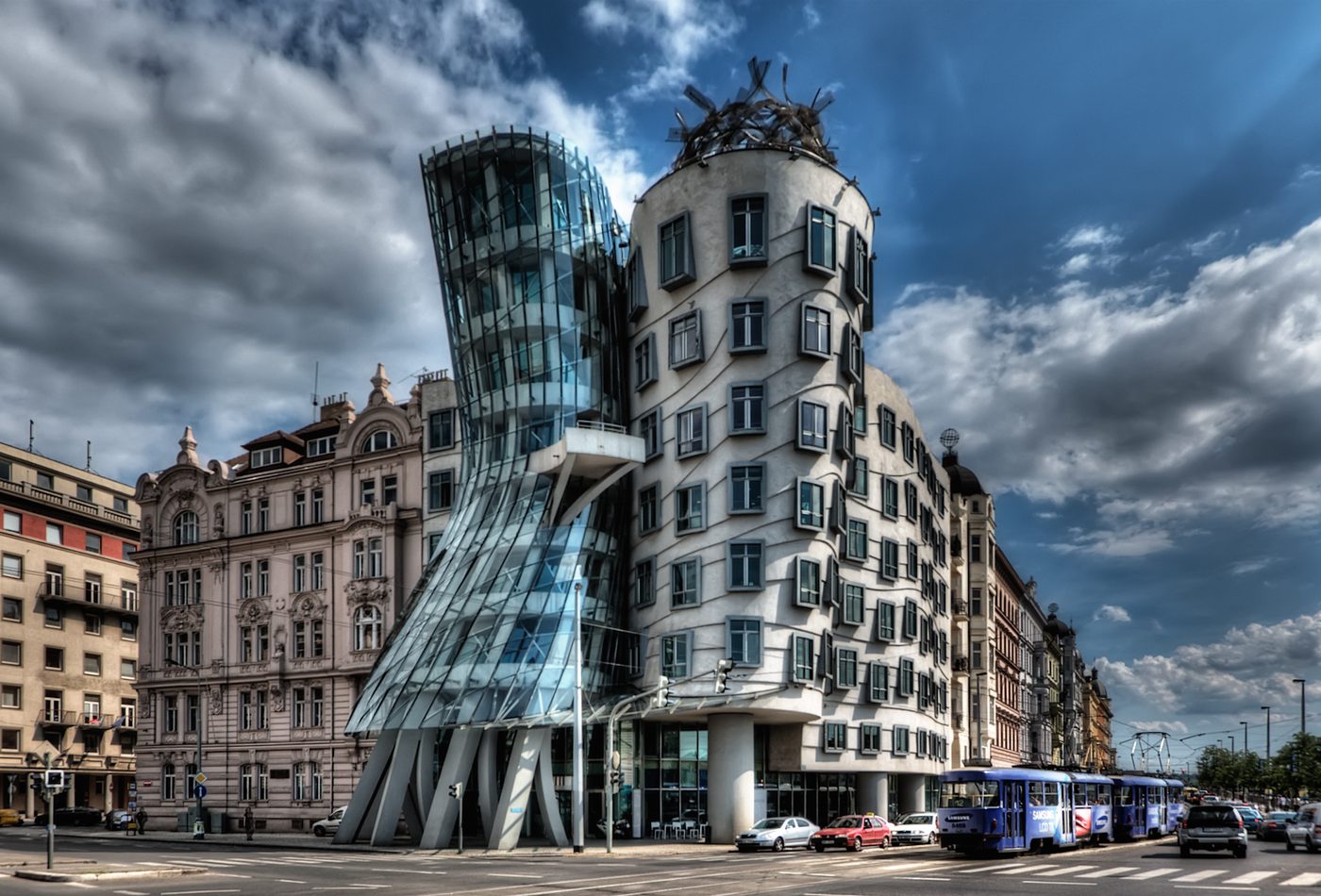
A Prague office building famous for two towers that appear to lean and dance.
References used for facts, location data, image credits, and architectural context on this page.