city overview
Barcelona architecture
Barcelona is a compact architecture classroom for Modernisme, Gothic streets, urban grids, and experimental public buildings.
city guide
Browse famous buildings in Barcelona through Sagrada Familia, Casa Batllo, Gothic streets, Eixample planning, Modernisme detail, and a practical comparison path.
city overview
Barcelona is a compact architecture classroom for Modernisme, Gothic streets, urban grids, and experimental public buildings.
route notes
City pages keep the main buildings, route ideas, and visual clues readable before any map interaction.
orientation
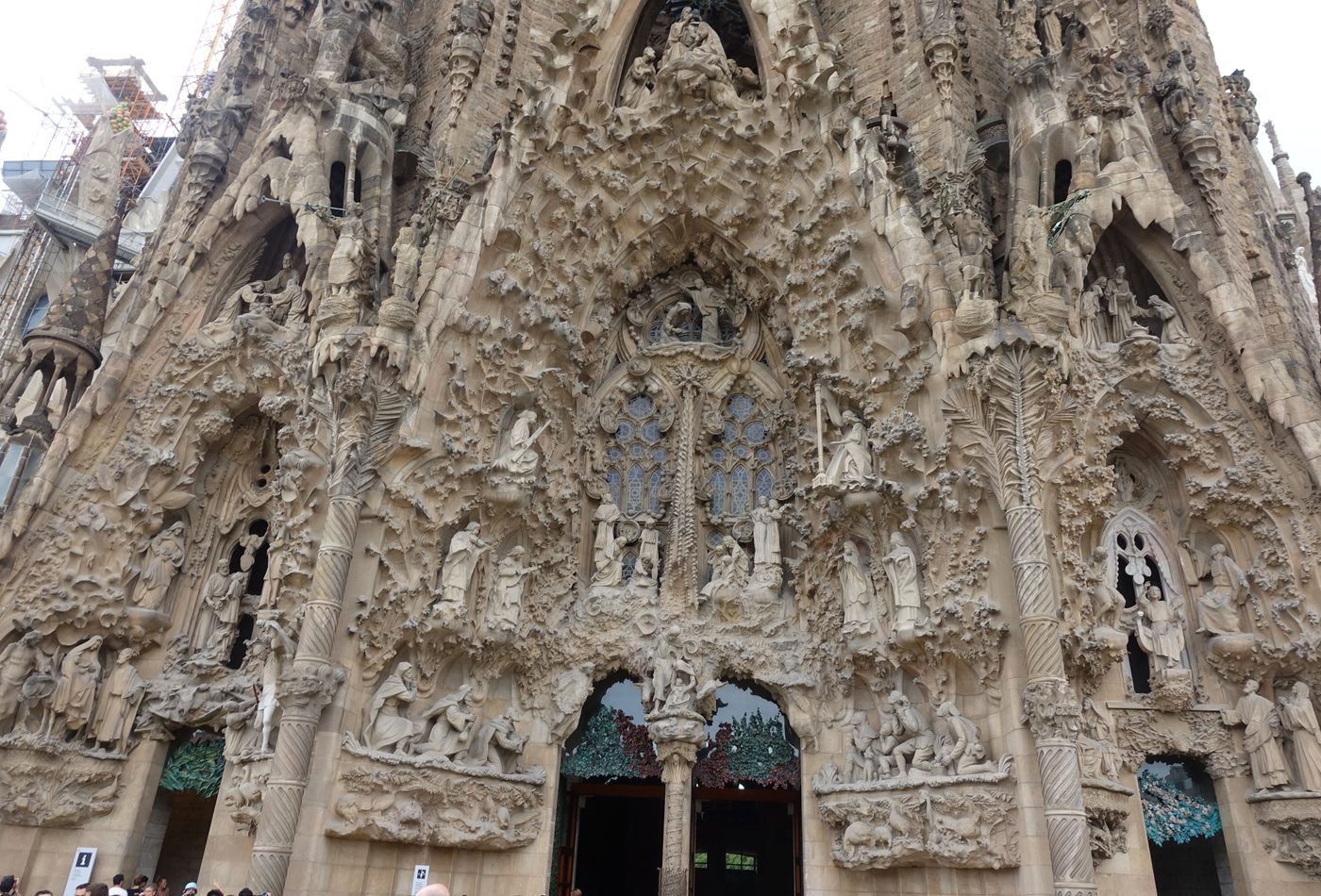
Famous buildings in Barcelona should be read as city layers, not as a tourist checklist. Start with Sagrada Familia for towers, religious program, and long construction; use Casa Batllo for Modernisme at apartment-block scale; keep the Gothic streets and Eixample grid in mind so the landmarks do not float away from the city that made them legible.
If the reader has one hour, compare one exterior view of Sagrada Familia with one closer facade or lightwell reading at Casa Batllo. If the reader is planning a longer architecture day, add a Modernisme walking plan and pause where the street grid changes the view. The useful Barcelona question is how craft, religious scale, and city planning sit beside one another.
Compare towers against apartment frontage, stone and sculpture against ceramic skin, public basilica scale against domestic renovation, and symbolic program against street-level craft. That comparison is stronger than ranking landmarks because Barcelona architecture becomes visible through differences in scale, material, movement, and public role.
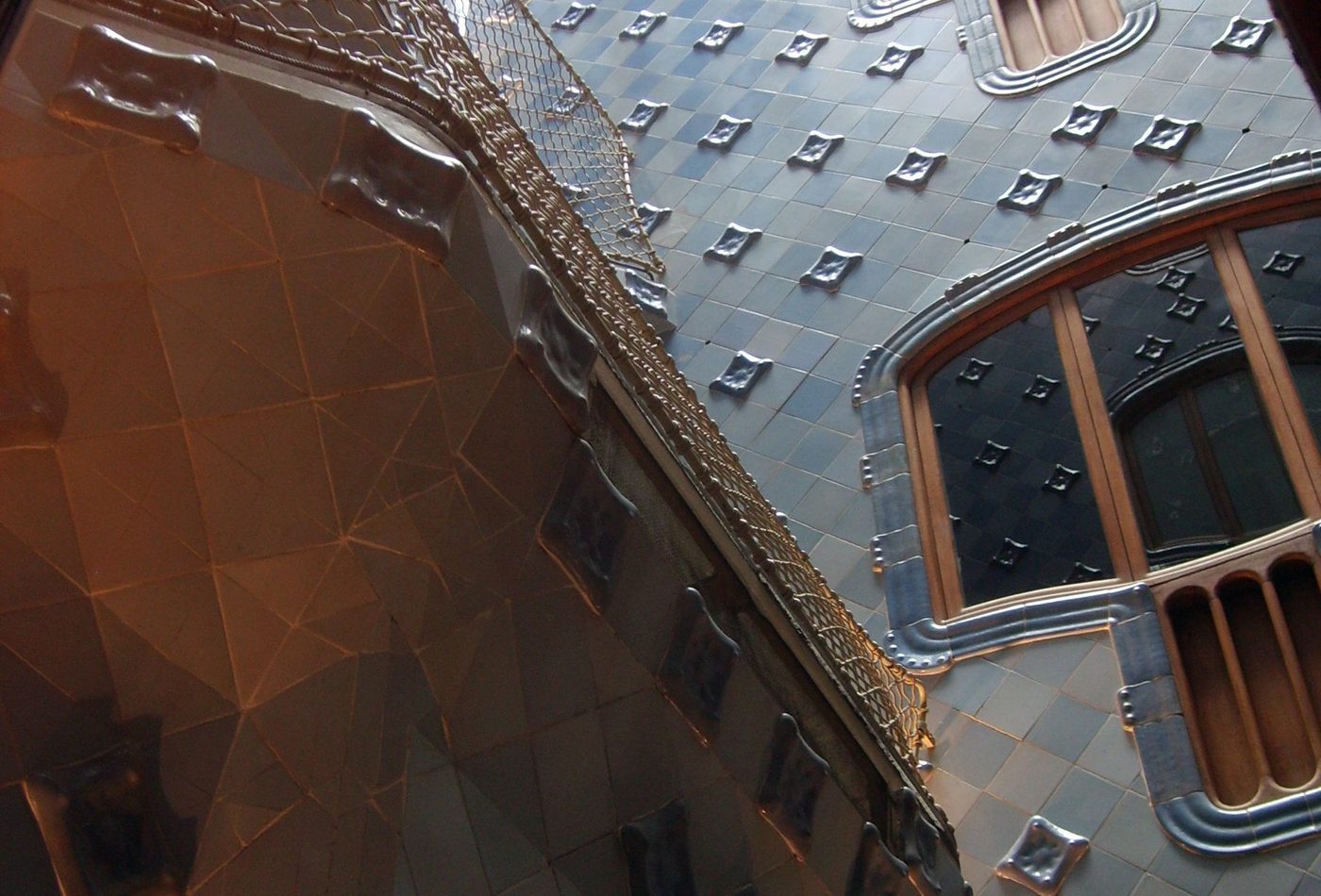
Open Casa Batllo when the question is color, facade detail, roofline, or how Modernisme works on a city block. Open Sagrada Familia when the question is towers, branching columns, light, religion, or the unfinished timeline. Then use the Art Nouveau page to separate Barcelona's local Modernisme from the wider European style.
Barcelona architecture is easy to flatten into a list of famous stops. A better reading asks why each stop feels different in the city. Sagrada Familia changes the skyline and the idea of religious scale. Casa Batllo changes a street facade and interior sequence. Gothic streets change pace, shadow, and the way visitors discover buildings through narrow views.
Choose one scale before opening the next page. For city scale, compare towers, street grid, and approach sequences. For facade scale, compare ceramic skin, balconies, stone, and window rhythm. For style scale, compare Modernisme with Art Nouveau vocabulary. That makes the page helpful for searchers who want buildings, not only a travel list.
The strongest search clue is city layering. Barcelona pages work best when the reader keeps three layers in view: medieval street fabric, Eixample planning, and Modernisme craft. That frame lets a searcher understand why two famous stops can sit close together but answer very different architectural questions.
related entries
featured buildings
A monumental basilica in Barcelona associated with Antoni Gaudi and long-running construction.
A remodelled Barcelona house known for its ceramic facade, organic forms, and roofline.
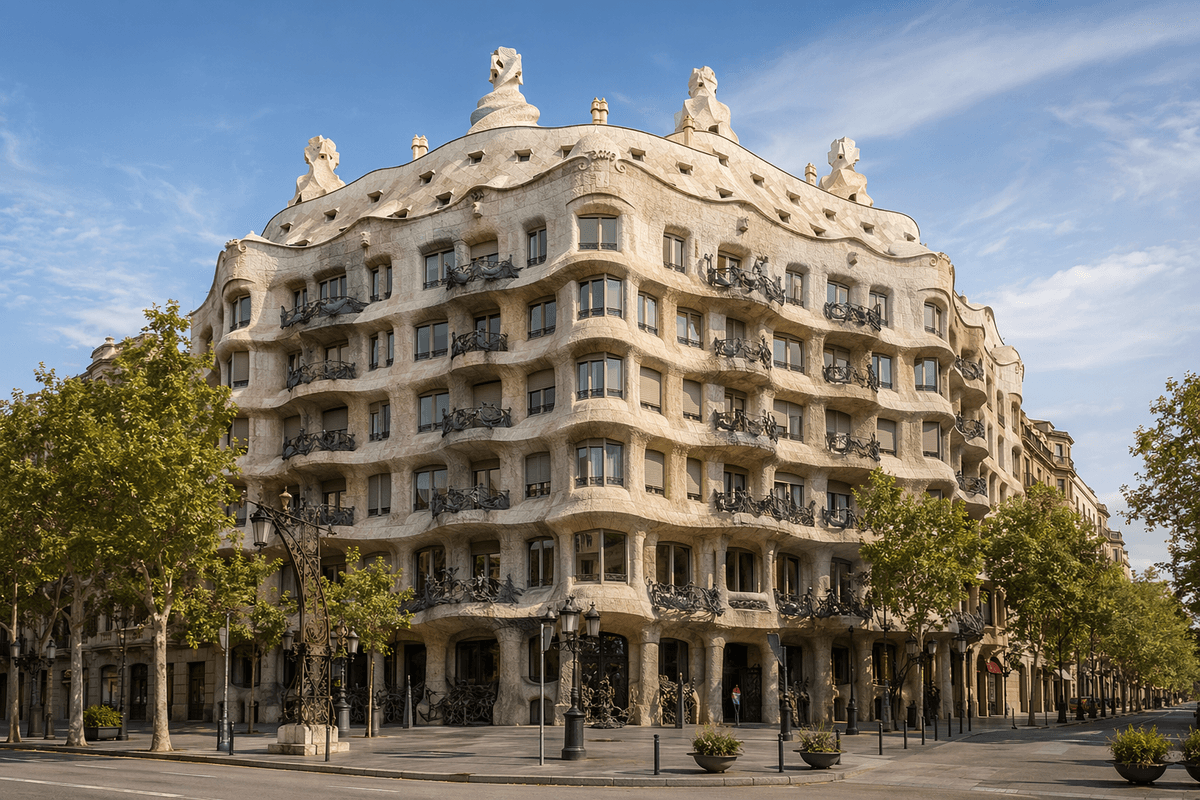
Casa Mila is a apartment building in Barcelona, Spain, known for its wave-like stone facade and sculptural roofscape.
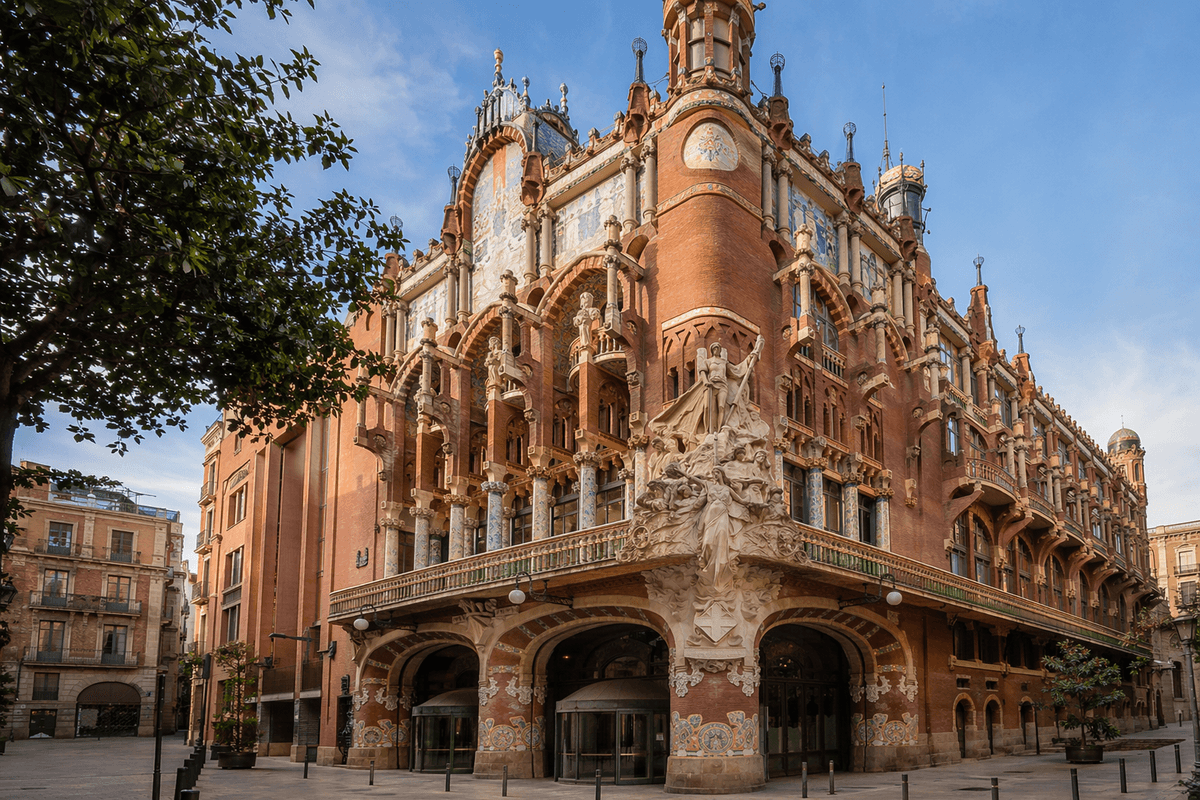
Palau de la Musica Catalana is a concert hall in Barcelona, Spain, known for its colorful Modernisme hall and daylight-filled ornament.
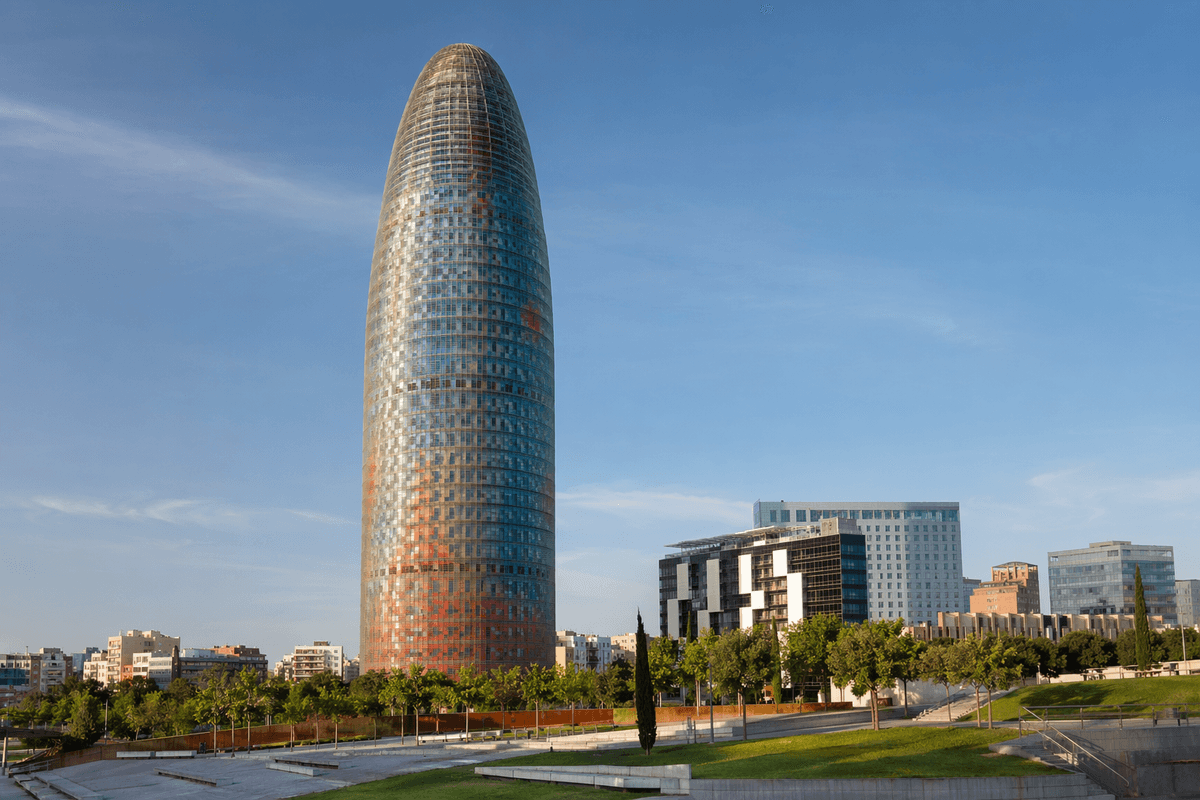
Torre Glories is a office tower in Barcelona, Spain, known for its bullet-like tower form and colored glass skin.
References used for facts, location data, image credits, and architectural context on this page.