why it matters
Why this building matters
It combines religious symbolism, structural experiment, craft, and an unusually long public construction story.
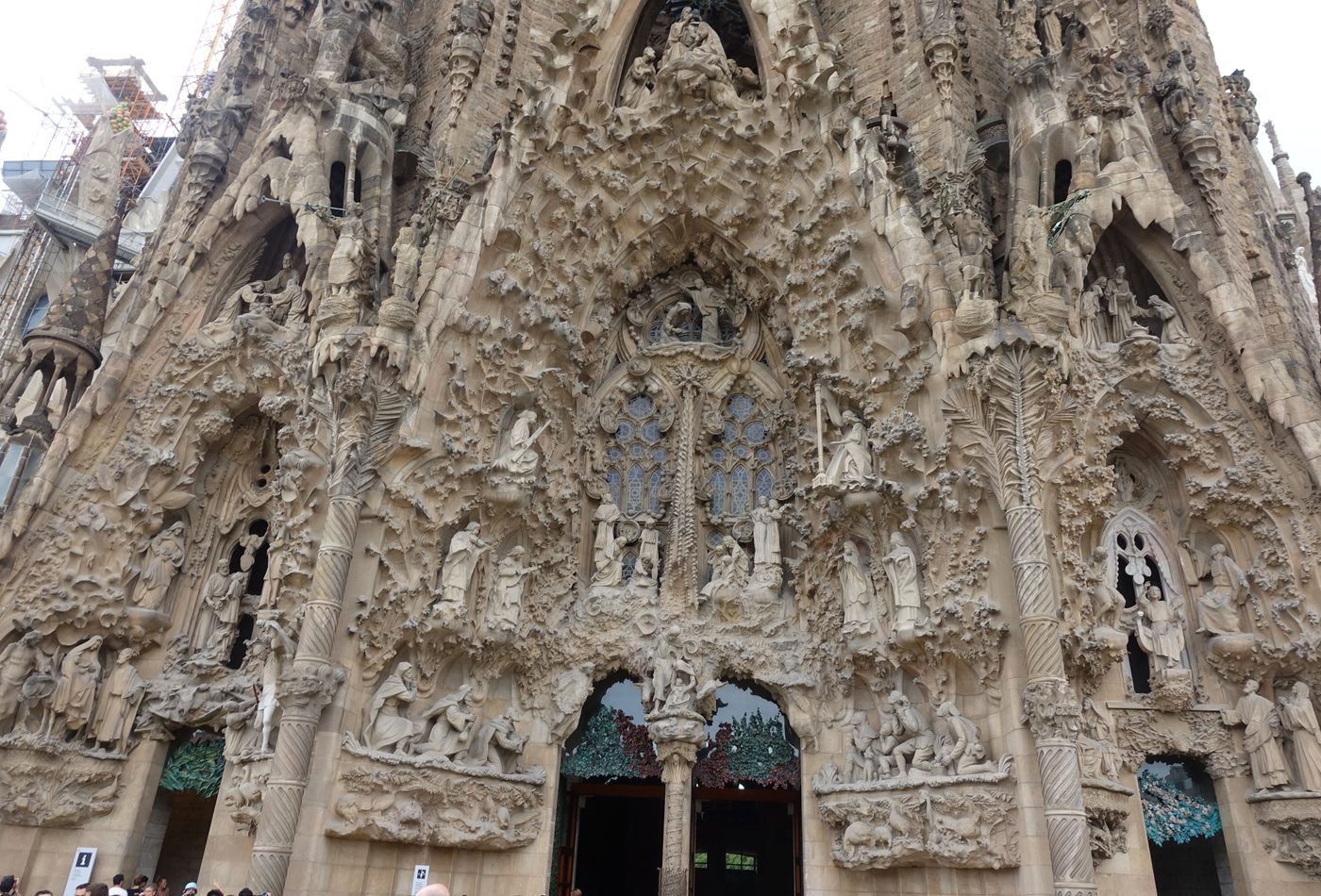
building detail
A monumental basilica in Barcelona associated with Antoni Gaudi and long-running construction.
Photo credit: Wikimedia Commons contributor / CC BY-SA 4.0.
why it matters
It combines religious symbolism, structural experiment, craft, and an unusually long public construction story.
what to notice
explore by place and style
map notes
Use the coordinates as anchors for reading the buildings in relation to streets, water, skyline, and nearby landmarks.
41.4036, 2.174441.3917, 2.164948.8530, 2.3499Map coordinates are listed with provider attribution handled through the source records.
architecture guide
A fuller reading of the building's history, setting, form, materials, and public role.
Sagrada Familia is a basilica in Barcelona begun in 1882 and still defined by long-running construction. That duration is not a side note. It changes how the building is read. The project is not a finished monument from one frozen moment; it is a work where religious program, city growth, craft, engineering, tourism, and public patience have overlapped for generations.
Antoni Gaudi is central because the building's most memorable ideas join structure and meaning. The branching interior columns are not only decorative tree references. They distribute load, organize the nave, and make the roof feel like a constructed canopy. The same habit appears across the basilica: geometry, nature, theology, and craft are pushed into one architectural language.
The building is best understood through its facades, each carrying a different emotional and symbolic register. The Nativity facade is dense, carved, and organic, pulling the viewer into scenes, figures, plants, and surfaces. Other facades use sharper, more austere language. That difference matters because Sagrada Familia is not one neutral exterior. It is a set of theological and architectural episodes gathered into one basilica.
Inside, the most useful facts are visible: columns branch, vaults open overhead, and stained glass changes the atmosphere by color and direction. The interior does not behave like a conventional Gothic nave copied into a modern city. It translates Gothic height and sacred procession through Gaudi's geometry, making stone, concrete, and light feel part of the same system.
Stone, concrete, and stained glass record the building's extended life. Older and newer work can sit near one another, so the visitor sees not only a style but a construction history. The material reading should include carving, structural mass, surface weathering, and colored light. Those clues explain why the basilica feels ancient, modern, and unfinished at the same time.
The basic facts should help a reader avoid two shallow responses: treating Sagrada Familia only as a tourist icon, or treating it only as an unfinished curiosity. Its importance comes from the way a basilica program became an architectural laboratory. The year marker, architect, materials, facades, columns, and light all point to one question: how can a sacred building keep accumulating meaning while construction continues?
Use the facts against the building itself. The date range should make you look for older and newer construction. The architect should make you test where Gaudi's organic geometry is still legible. The material list should send your eye from carved stone to concrete structure and then to colored glass. The type should remind you that this is a basilica, so procession, nave, altar, and symbolic storytelling matter as much as the skyline image.
A useful fact page should let the reader name what to look for before opening another guide: branching interior columns, symbolic facades, colored light, and the tension between Gothic inheritance and Catalan Modernisme. If those facts stay connected to visible evidence, the building becomes easier to study from photos, drawings, or a real visit.
Sagrada Familia can look overwhelming because it refuses to reduce itself to one clean image. The design gathers towers, facades, nave, branching columns, sculptural surfaces, and colored light into a system that must be read in parts. That complexity is not random. Each major piece gives the basilica a different way to connect structure, religious story, and city visibility.
The building inherits the Gothic desire for height, but it does not simply repeat medieval Gothic architecture. Vertical force is filtered through organic geometry and Catalan Modernisme. The towers pull the eye upward, while the columns inside split and branch rather than remaining simple shafts. This makes the upward movement feel grown and engineered at once.
A normal facade can act as a front. Sagrada Familia's facades behave more like chapters in a larger book. Dense sculpture, austere geometry, symbolic figures, and changing surface depth all shape the visitor's emotional reading before entry. The design analysis should therefore ask what each facade is trying to make visible, not only whether the whole building looks ornate.
The interior is powerful because structure and atmosphere are hard to separate. Branching columns organize load while also changing how the nave feels. Light enters through stained glass and turns the structural space into a colored field. The roof, columns, and windows do not act as independent features. They make one continuous spatial argument.
Because the basilica carries so much symbolic ambition, it could become abstract or diagrammatic. Craft keeps it physical. Carved surfaces, stone texture, joints, column profiles, glass color, and the shift between older and newer work bring the design back to touch and scale. Close looking is essential because the building's big idea depends on many small decisions.
The long construction history creates a rare design problem: how can a project continue after its original architect while still holding an architectural identity? Sagrada Familia answers through systems rather than one fixed drawing. Geometry, symbolic program, tower hierarchy, facade themes, and interior structure give later work a framework. The result is not seamless, but the tension is part of the reading.
Even without standing inside, photographs can be used critically. A skyline image tests tower hierarchy. A facade image tests symbolic density and surface depth. An interior nave image tests whether the branching columns actually organize the space or only decorate it. A stained-glass image tests how color changes architectural atmosphere. Those four checks keep design analysis grounded in visible evidence instead of broad praise.
A good design analysis should leave the reader with a sequence: read the towers for vertical ambition, the facades for symbolic language, the columns for structural imagination, and the stained glass for atmosphere. That sequence is more useful than saying only that the basilica is ornate, unfinished, or famous.
Sagrada Familia matters historically because it resists the usual idea of a landmark as a finished object from one date. Its story begins in the late nineteenth century, is transformed by Antoni Gaudi, and continues through later generations of construction and interpretation. That makes the building a rare public record of architectural intention surviving beyond one lifetime.
The basilica belongs to Barcelona's architectural identity, but not in the same way as a completed civic monument. It is a religious project, a tourism magnet, a neighborhood presence, and a symbol of Catalan Modernisme's ambition. Its long presence in the city means residents and visitors encounter not only a building, but also a continuing debate about completion, authorship, and public value.
Gaudi gave the project its most powerful architectural direction, especially through structure, geometry, nature references, and symbolic program. But the building's history did not end with him. That is why the page should avoid treating Sagrada Familia as a simple author monument. It is both Gaudi's project and a collective continuation shaped by changing tools, interpretations, funding, and public expectations.
Many buildings are famous despite being unfinished or altered; Sagrada Familia is famous partly because its unfinishedness is visible and meaningful. Cranes, newer stone, evolving surfaces, and changing completion narratives all affect how people see it. The slow timeline turns construction into public memory. Visitors do not only ask what the building is; they ask what it is becoming.
The basilica is a church, but its public role extends beyond worship. Its facades, towers, and interiors carry religious narratives into a global tourist image. That double role creates tension. A sacred building has to support devotion and symbolism, while a global landmark is photographed, queued for, explained, and circulated online. Sagrada Familia sits exactly inside that tension.
Compare Sagrada Familia with Notre-Dame de Paris and Florence Cathedral. Each ties religious architecture to city identity, but the timelines differ. Notre-Dame carries restoration and medieval memory; Florence Cathedral centers on a completed dome breakthrough; Sagrada Familia keeps construction itself in view. That difference explains why its history feels unusually active.
The long timeline changes the reader's standard of judgment. A short project can be judged mainly by the original brief and finished result. Sagrada Familia asks a harder question: what happens when design intent has to pass through later technologies, later craftspeople, later budgets, and later public expectations? That is why historical context belongs on the page. The building's meaning is produced by continuity and interruption together.
The history should change what the reader sees. The branching columns should no longer seem only beautiful; they should read as evidence of Gaudi's structural imagination. The mixed surfaces should no longer seem only busy; they should read as a record of construction across time. The unfinished state should become part of the building's historical meaning, not a footnote.
The best architectural visit begins outside. Do not rush to treat Sagrada Familia as one total image. Start with one facade, then compare it with another. Look for density, figure work, surface depth, tower alignment, and how light changes the stone. The facades prepare the visitor for the building's main lesson: structure, symbolism, and craft are inseparable here.
The Nativity facade rewards slow looking because it is dense with carved life, religious story, and organic surface. Step back first to understand the full composition, then move closer to separate figures, plants, openings, and shadows. The goal is not to identify every symbol. The goal is to see how abundance becomes architectural atmosphere rather than surface decoration alone.
Inside, begin with the branching columns before looking at the stained glass. The columns explain how the space stands and why it feels organic. Then look at how colored light changes the nave. A quick interior visit can become only a visual shock; a better visit connects support, height, vaulting, and light into one reading.
Sagrada Familia changes dramatically with distance. From far away, the towers and skyline role dominate. From the street, the facades and crowds shape the experience. Up close, carving, joints, glass, and column profiles become the evidence. Moving between those distances helps prevent the building from becoming either a skyline icon or a collection of details with no structure.
Make photographs that answer architectural questions. One wide image should show tower hierarchy and the city setting. One facade image should capture surface depth and symbolic density. One interior image should connect columns with stained glass. One detail image should record material texture. Those four studies create a stronger record than repeating only the most familiar exterior view.
After studying Sagrada Familia, compare it with Casa Batllo or Casa Mila if those pages are part of the same trip or study session. The comparison is useful because Gaudi's ideas shift across program and scale. The basilica is symbolic, vertical, and collective; the houses are domestic, tactile, and urban. Seeing that difference makes Gaudi's range clearer.
The first view is usually too strong. After the initial impression, deliberately choose one smaller question: how a column branches, how a facade shadow creates depth, how a tower profile differs from its neighbor, or how colored glass changes the nave. This habit keeps the visit from becoming only awe. It turns the building into evidence that can be compared, remembered, and explained later.
Use a simple route: one facade from distance, one facade close up, the nave columns, the stained glass, then a final exterior view. That order keeps the visit architectural. It lets the reader connect city image, symbolic surface, structural system, and atmosphere. Sagrada Familia is too complex for one glance, but it becomes readable when each stage has a question.
continue reading
related buildings
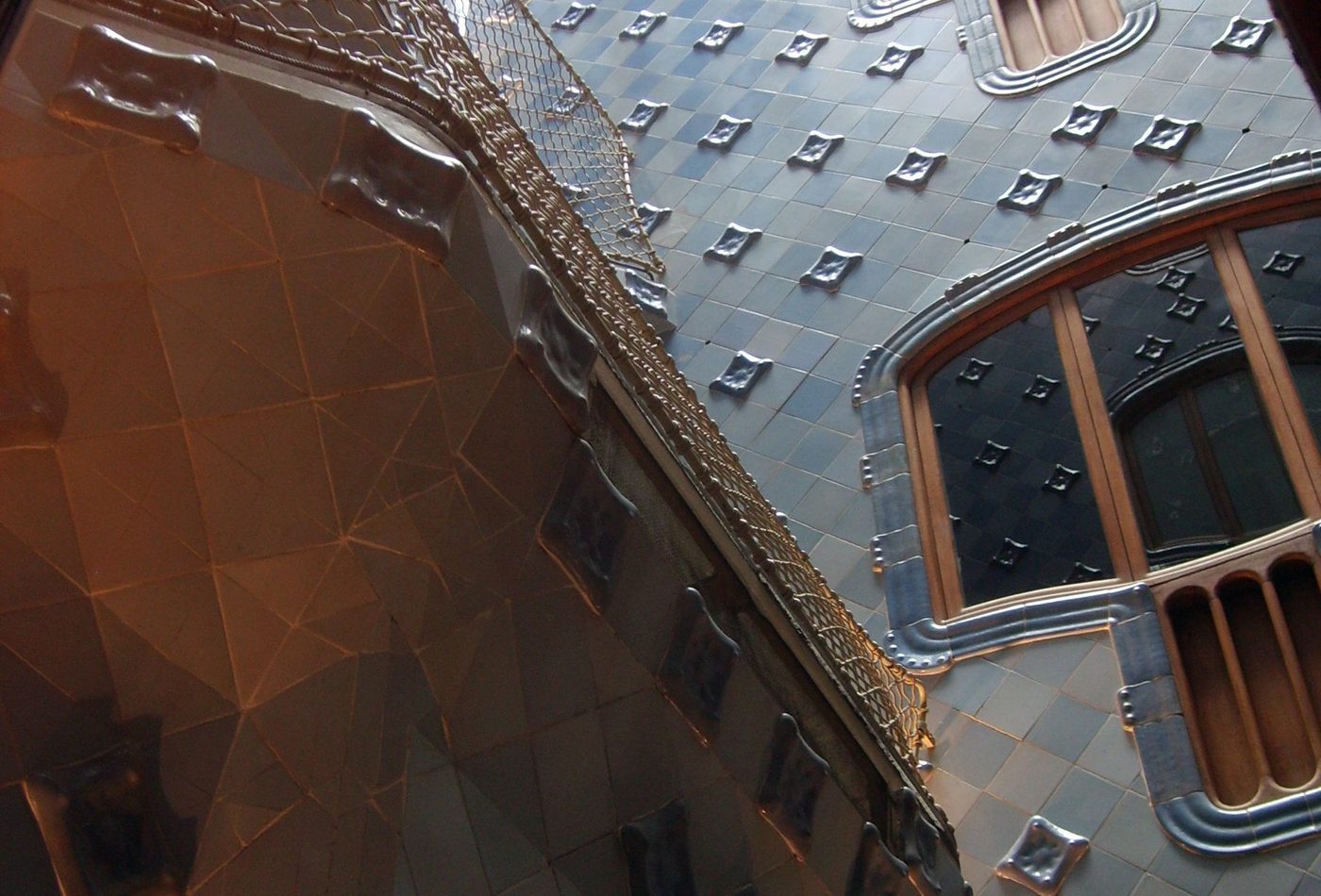
A remodelled Barcelona house known for its ceramic facade, organic forms, and roofline.
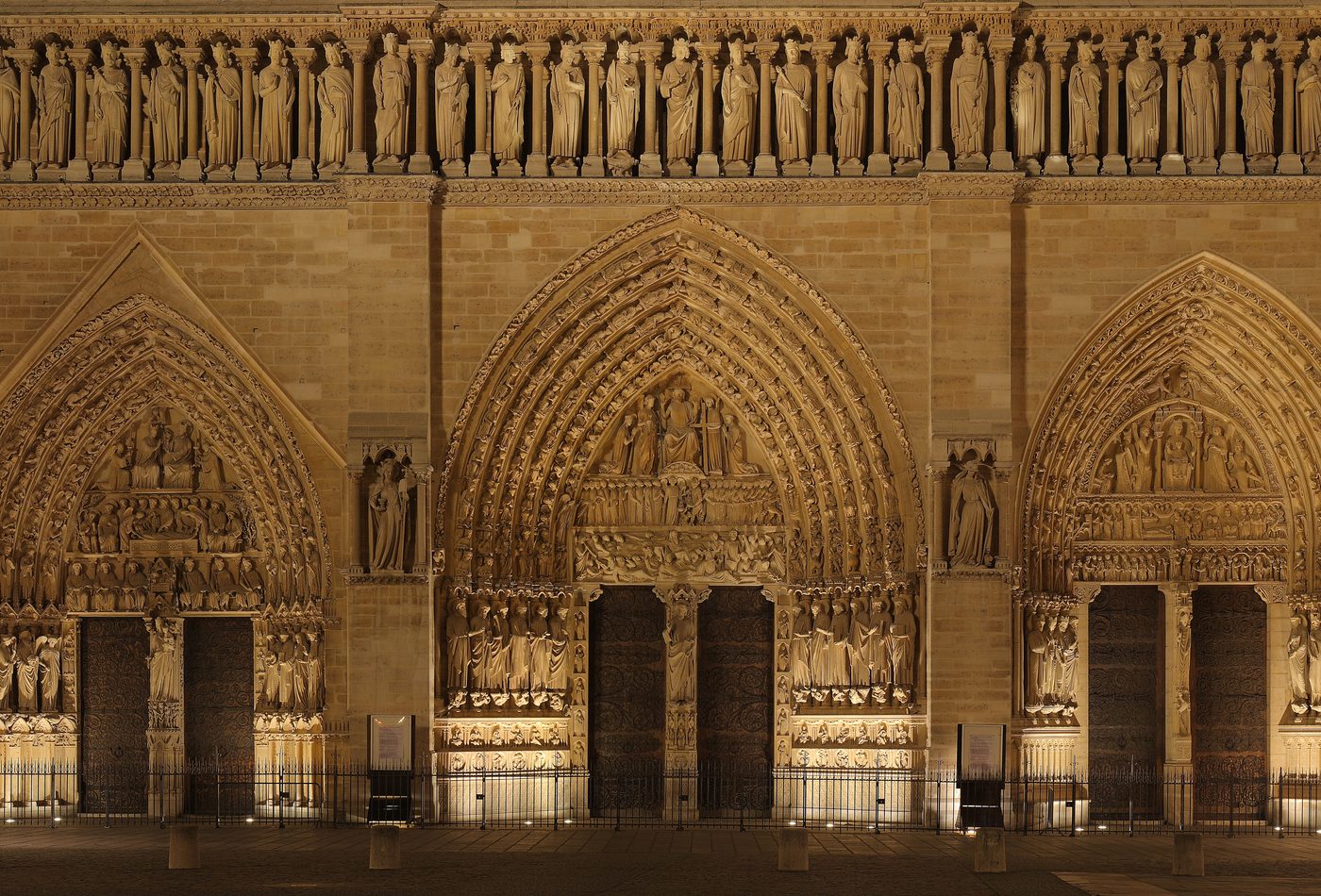
A Gothic cathedral on the Ile de la Cite known for towers, rose windows, and flying buttresses.
References used for facts, location data, image credits, and architectural context on this page.