style definition
Art Nouveau Architecture
A late 19th and early 20th century style built around organic curves, decorative ironwork, ceramic color, and plant-like forms.
style guide
Learn Art Nouveau architecture through organic curves, plant-like ornament, ironwork, ceramic color, and how Barcelona Modernisme relates without standing for the whole style.
style definition
A late 19th and early 20th century style built around organic curves, decorative ironwork, ceramic color, and plant-like forms.
visible features
orientation
Art Nouveau architecture is a late 19th and early 20th century style built around organic curves, plant-like ornament, crafted surfaces, ironwork, glass, and ceramic color. The easiest first test is whether structure and decoration feel fused into one flowing surface rather than applied as separate historical trim.
Start with curved lines, floral ornament, asymmetry, wrought iron, colored ceramic or glass, and entrances that feel hand-shaped rather than strictly classical. A building does not need every clue. The stronger reading comes from asking whether the details make a whole design language, not just whether a single flower or curve appears on the facade.
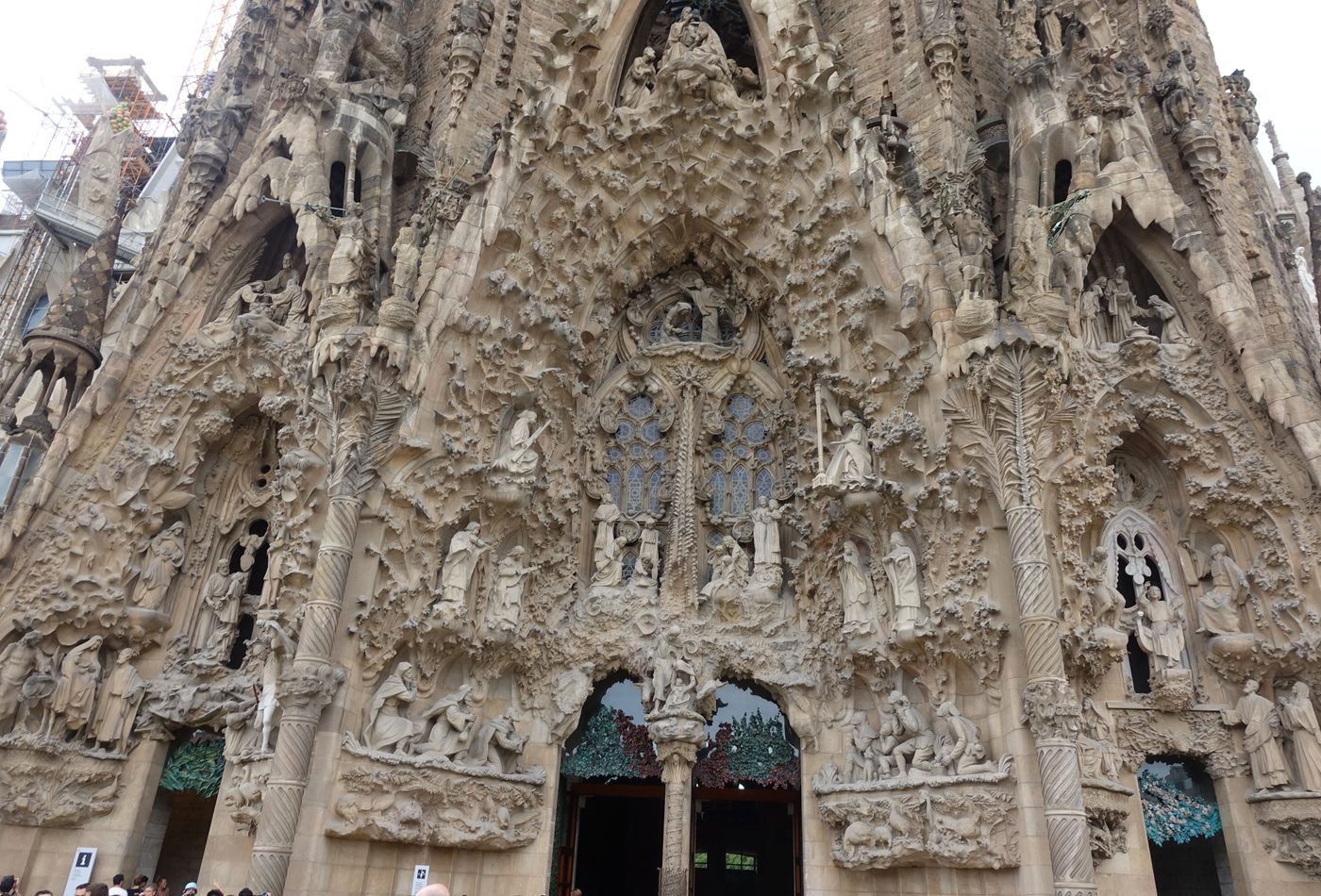
Casa Batllo and Sagrada Familia help this page because they make organic form and craft visible, but Barcelona Modernisme is a local movement with its own Catalan context. Treat it as a close relative inside the Art Nouveau conversation, not as a replacement for French, Belgian, Austrian, or other regional versions of the style.
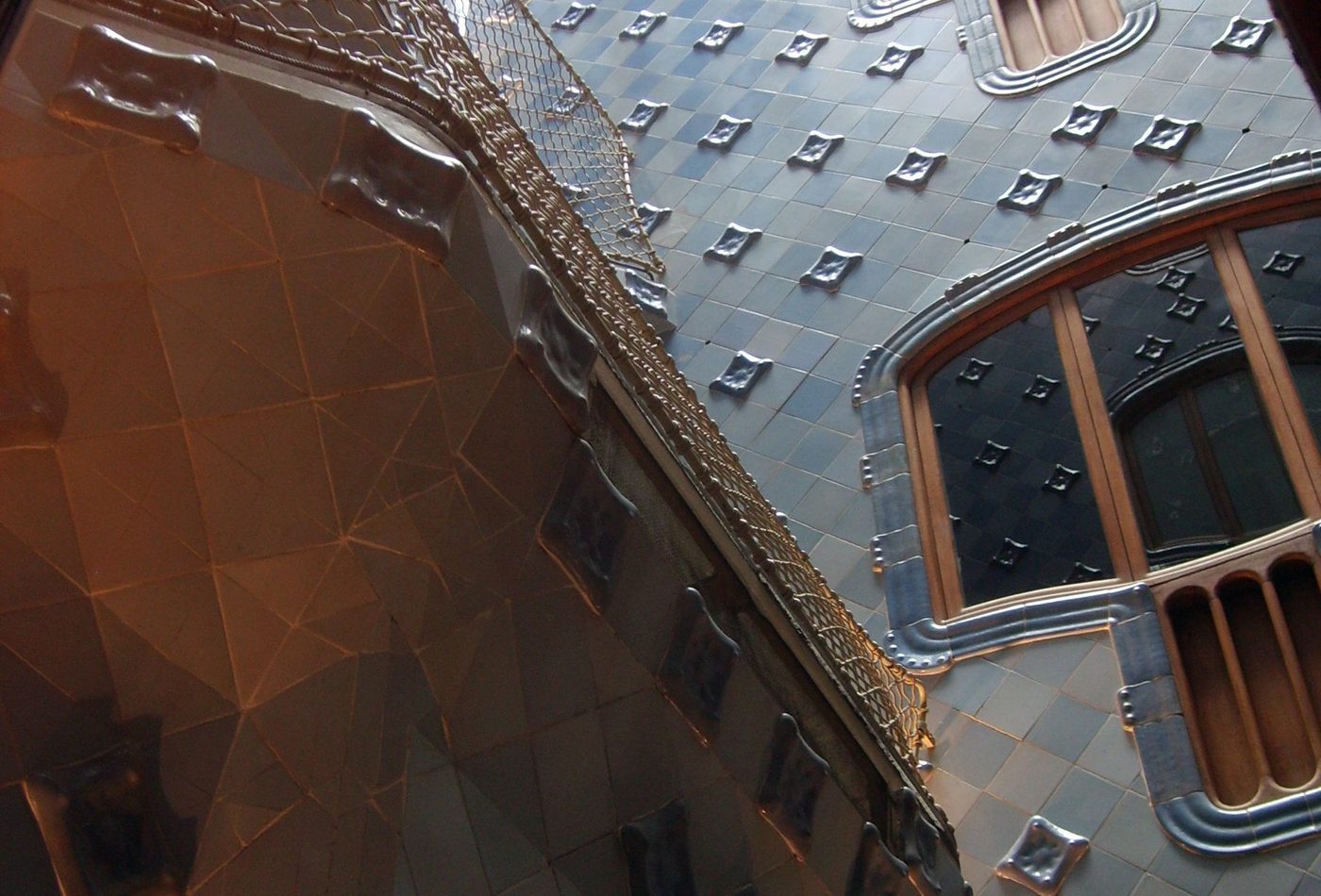
Open Casa Batllo for ceramic skin, mask-like balconies, lightwell color, and a roofline that turns a house into a crafted object. Open Sagrada Familia for the overlap between Gothic structure, organic geometry, and symbolic sculpture. Compare those two before moving to a broader style page, because the contrast keeps Art Nouveau from becoming a loose label for anything curved.
Art Nouveau becomes weak when it is used for every building with curves. Keep the label tied to a fuller pattern: line, ornament, craft, surface, entrance, material, and the way decoration and construction seem to support one another. If only one curve is visible, the better move is to keep looking before naming the style.
Use this page as a small field guide. First, name the visible curve or ornament. Second, check whether ironwork, ceramic, glass, carved surface, or asymmetry strengthens the reading. Third, open Casa Batllo or Sagrada Familia and ask whether the detail belongs to the whole design or only to one decorative moment.
The strongest search clue is unity between ornament and structure across a whole facade. Art Nouveau is easiest to recognize when a handrail, window, column, entrance, surface, and roofline seem to belong to the same design language. Carry that clue into the linked examples before deciding whether the label fits.
related entries
featured buildings
A monumental basilica in Barcelona associated with Antoni Gaudi and long-running construction.
A remodelled Barcelona house known for its ceramic facade, organic forms, and roofline.
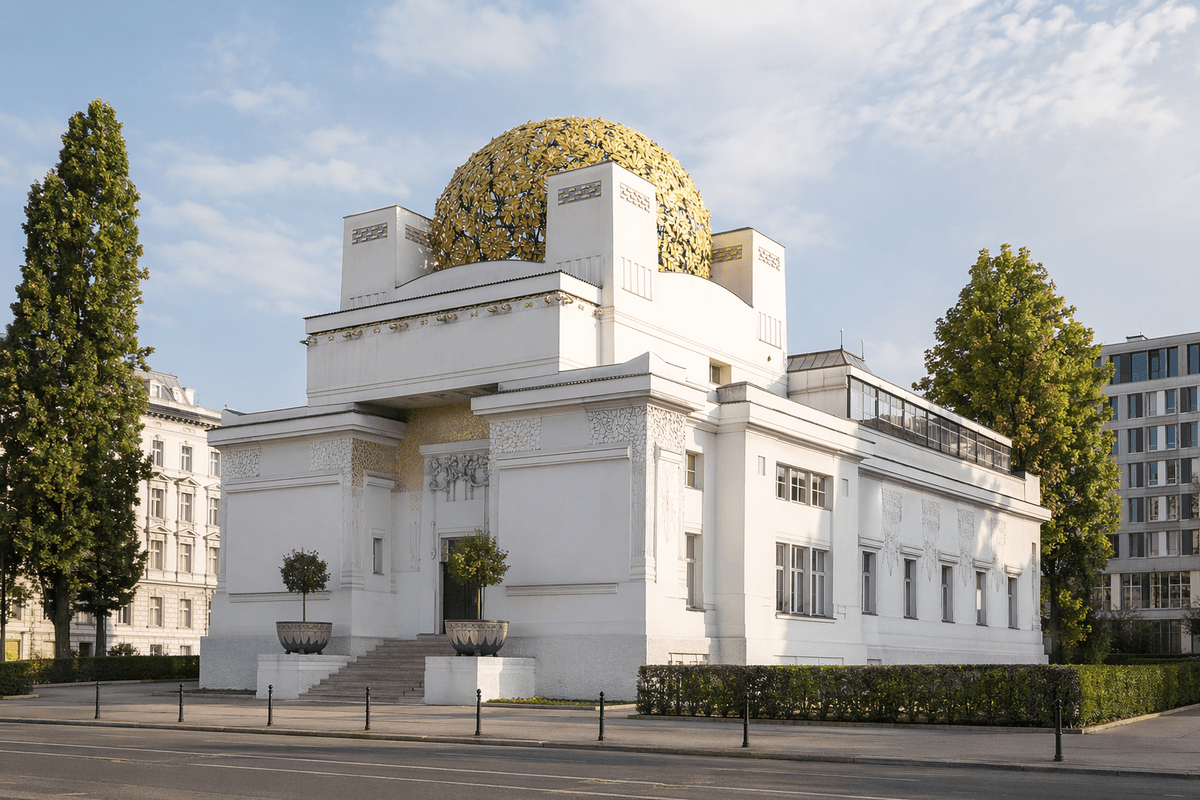
Vienna Secession Building is a exhibition hall in Vienna, Austria, known for its white cubic body and golden laurel dome.
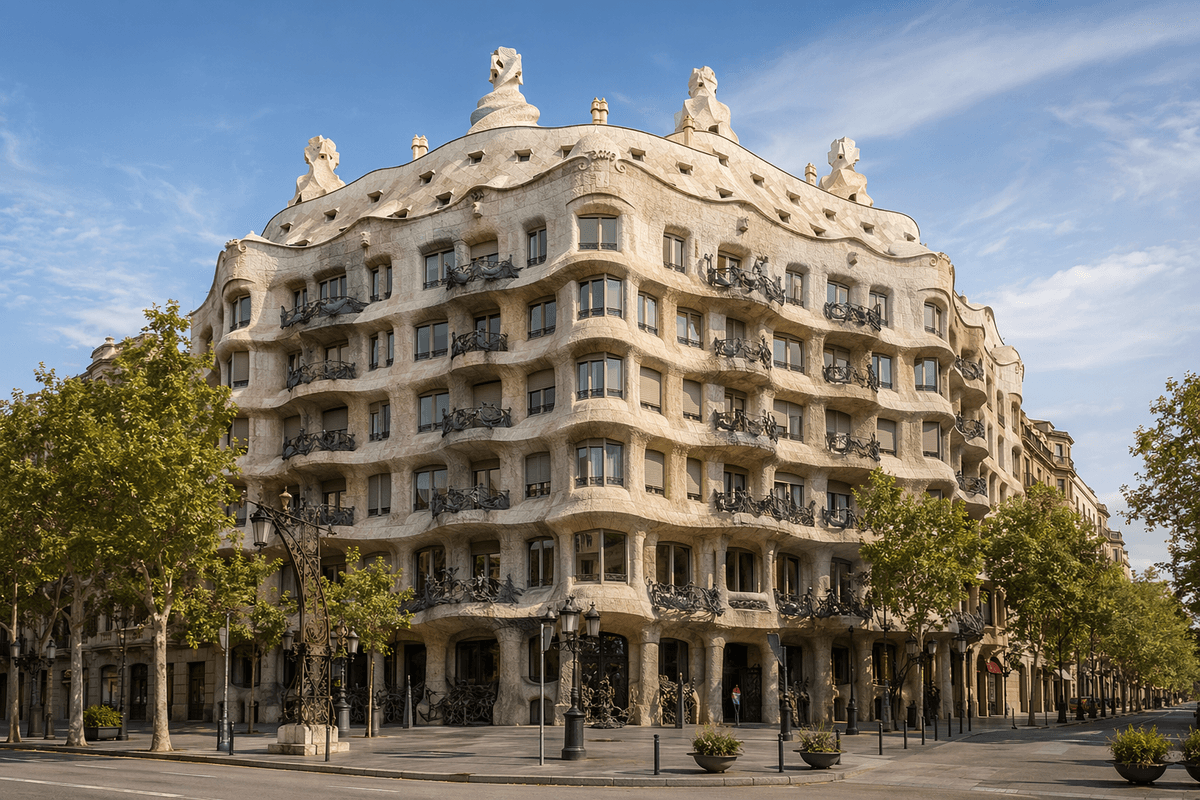
Casa Mila is a apartment building in Barcelona, Spain, known for its wave-like stone facade and sculptural roofscape.
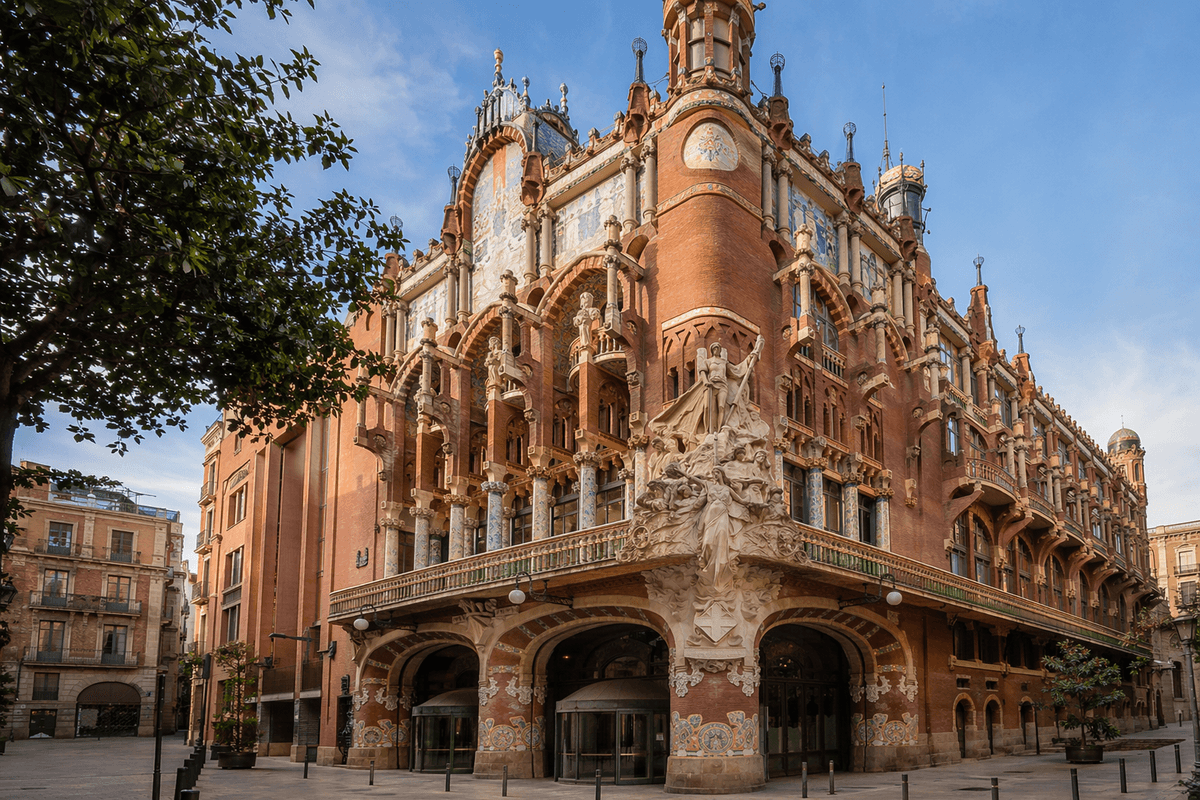
Palau de la Musica Catalana is a concert hall in Barcelona, Spain, known for its colorful Modernisme hall and daylight-filled ornament.
References used for facts, location data, image credits, and architectural context on this page.