why it matters
Why this building matters
It is a reference point for Gothic urban presence, structure, restoration, and cultural memory.
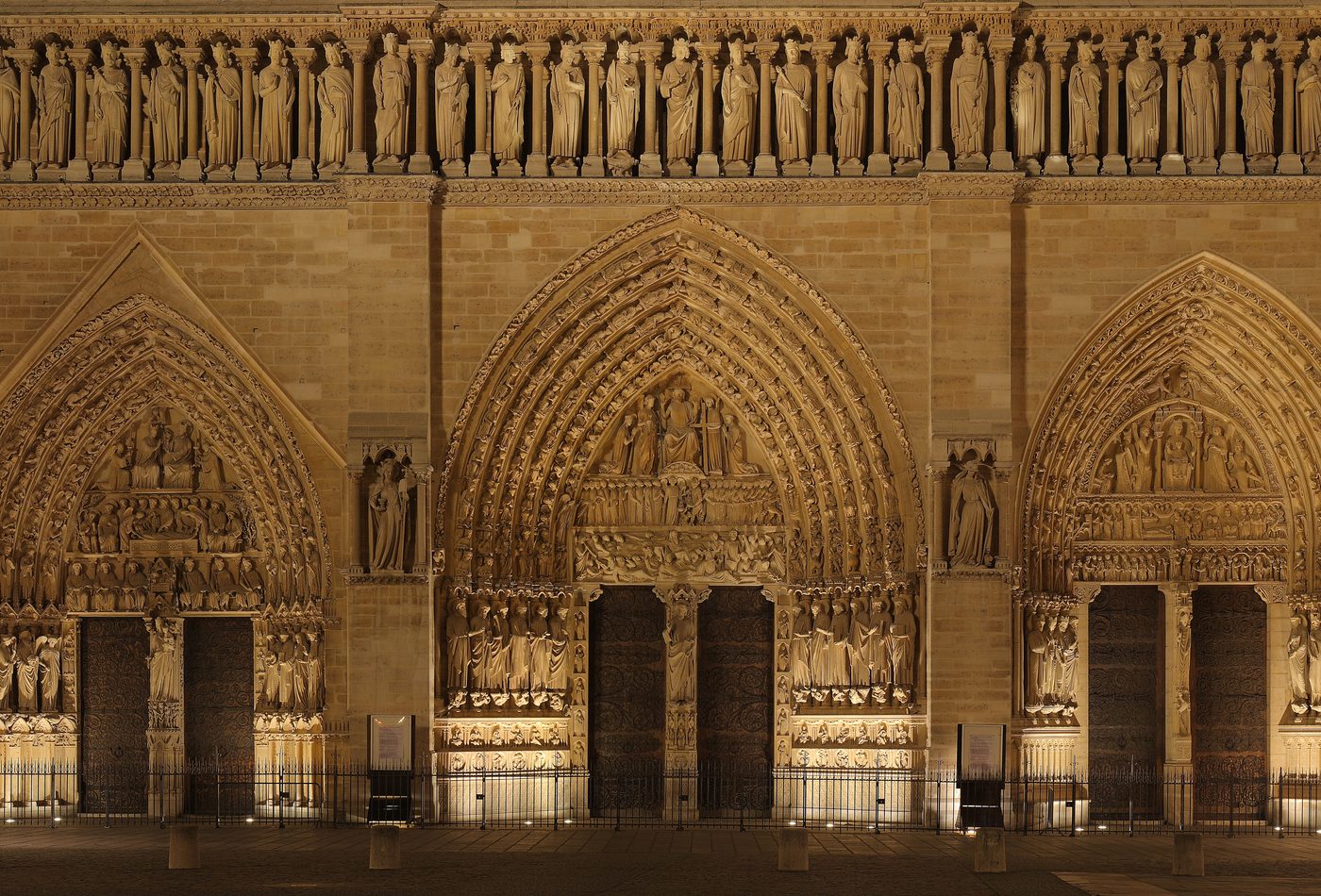
building detail
A Gothic cathedral on the Ile de la Cite known for towers, rose windows, and flying buttresses.
Photo credit: Wikimedia Commons contributor / CC BY-SA 4.0.
why it matters
It is a reference point for Gothic urban presence, structure, restoration, and cultural memory.
what to notice
explore by place and style
map notes
Use the coordinates as anchors for reading the buildings in relation to streets, water, skyline, and nearby landmarks.
48.8530, 2.349941.4036, 2.174448.8584, 2.2945Map coordinates are listed with provider attribution handled through the source records.
architecture guide
A fuller reading of the building's history, setting, form, materials, and public role.
Notre-Dame de Paris should first be read through its position on the Ile de la Cite. The cathedral does not sit beside Paris as a detached monument; it occupies one of the city's most charged river sites. From the Seine, bridges, quays, and narrow approaches, the towers and roofline become part of the geography of central Paris. That site fact matters because the building's authority comes from urban placement as much as from Gothic detail.
The atlas year of 1345 is useful as a shorthand for the cathedral's medieval completion, but it should not make the building feel like a single-moment object. Notre-Dame belongs to a long campaign that began in the twelfth century and continued across generations. That time span explains why a visitor sees both a unified Gothic idea and many layered decisions. The building is a cathedral, a construction sequence, and a city memory at once.
The essential architectural fact is the Gothic system: pointed arches, ribbed vaults, flying buttresses, large windows, and a strong vertical order. These parts are not separate checklist items. They work together to shift load, open wall surfaces, bring light into the interior, and make the exterior read as a structure under tension. Notre-Dame is useful because the system remains legible from outside even before the visitor enters the nave.
The west facade is more than a famous front. It organizes portals, sculpture, rose window, galleries, and two towers into a controlled vertical and horizontal composition. The facade helps readers understand why Gothic architecture is not only about height. It is also about hierarchy: where the eye starts, how it climbs, which bands slow it down, and how the towers hold the whole front in balance.
Notre-Dame cannot be explained only as a medieval survivor. The nineteenth-century restoration associated with Eugene Viollet-le-Duc reshaped how modern viewers imagine the cathedral, especially through repaired sculpture, renewed details, and the spire that became central to its silhouette. That restoration layer does not make the building less authentic as a subject. It makes the cathedral a record of medieval ambition, modern interpretation, damage, repair, and public attachment.
The fire of 2019 changed the way many people see Notre-Dame. It exposed the vulnerability of timber roof structure, stone vaulting, lead roofscape, scaffolding, and restoration logistics that are usually hidden behind the image of a finished monument. The reopening in December 2024 made the cathedral part of a contemporary restoration story, not only a medieval history story. That is why the recent event belongs in an architecture facts page.
A strong first reading connects four facts: island site, Gothic load path, facade order, and restoration memory. Those anchors stop the page from becoming a list of dates and famous features. They tell a reader where to stand mentally: look at the cathedral as a public object on the Seine, a structural system of height and light, a facade composition, and a building repeatedly remade by care, damage, and repair.
Notre-Dame is often described through atmosphere: dark stone, colored glass, towers, bells, and memory. The more useful design reading starts with system. The cathedral uses Gothic structure to make height, light, procession, and exterior support visible. Pointed arches and ribbed vaults organize the interior span. Flying buttresses carry forces outside the wall line. Windows and rose windows then become possible at a scale that earlier heavy walls could not easily support.
The flying buttresses are not merely picturesque arms around the building. They let the exterior show how the building handles thrust. Their value is partly structural and partly educational: they turn hidden forces into visible form. When a reader sees the buttresses, the cathedral stops being a stone shell and starts becoming a diagram of load, counter-load, vertical ambition, and the desire to open walls for light.
The rose windows carry more than decorative value. They bring geometry, color, scale, and religious storytelling into one architectural device. In design terms, they also show the Gothic bargain: structure works hard so that the wall can become a field of glass and image. The best reading does not isolate the rose window as a symbol. It asks what had to happen structurally and spatially for such a window to become central to the facade and transept experience.
The west front has a strong legibility because it is ordered in layers. Portals establish the human threshold; sculptural bands and galleries give the facade a civic and religious narrative; the rose window forms a central pause; the towers pull the composition upward without dissolving the front into pure verticality. That balance is why the facade can feel monumental at a distance and still reward close study at the doors, carvings, and window level.
Limestone, stained glass, timber, metal, and restoration materials each carry a different architectural role. Stone gives mass and carved depth. Glass changes the interior relationship to light. Timber roof structure, especially after the 2019 fire and reconstruction, reminds readers that a cathedral is not only stone permanence. It also depends on concealed craft, maintenance, and replacement. Notre-Dame's material story is therefore less static than its iconic image suggests.
Viollet-le-Duc's nineteenth-century restoration and the post-2019 reconstruction both shape how the building is seen now. A design analysis should not pretend that the cathedral is a frozen medieval object. Restoration can clarify, repair, interpret, and sometimes remake the evidence. Notre-Dame is important because those layers remain public. The building asks readers to distinguish medieval structure, later restoration imagination, and contemporary conservation without separating them into unrelated stories.
The common mistake is to treat Notre-Dame as a generic Gothic cathedral because the vocabulary is familiar. That misses the exact lesson. The building's power comes from the way site, facade order, external support, light, restoration, and public memory reinforce one another. Its design is not only a set of Gothic features. It is a readable urban machine for height, light, gathering, image, and repair.
Notre-Dame de Paris matters historically because it has repeatedly returned to public attention under different meanings. It began as a medieval cathedral project, became a central image of Paris, was reinterpreted through nineteenth-century restoration, entered modern literary and tourist memory, and then became a global restoration story after the 2019 fire. A useful history page should make those returns visible instead of presenting one simple origin story.
The long construction period from the twelfth century into the fourteenth century is not a background chronology. It explains why Notre-Dame is both coherent and layered. Large cathedrals depend on changing labor, patrons, craft knowledge, liturgy, and urban conditions. The result is not a product designed and delivered at once. It is a building whose authority grew through duration, public use, and the ability of Gothic structure to absorb continuing work.
Because Notre-Dame stands on the Ile de la Cite, its history is tied to the image of Paris itself. The cathedral faces the river city rather than a neutral square. That urban role helps explain why damage to the building was felt beyond architecture circles. The building is a religious site, a civic marker, a tourist image, a restoration problem, and a shared memory object. Those roles overlap in ways that make its history unusually public.
The nineteenth-century restoration associated with Eugene Viollet-le-Duc is central to Notre-Dame's modern history. It gave later generations a powerful image of the cathedral, including restored sculptural and roofline elements that shaped public expectation. That creates an important historical question: what do people mean when they say they know Notre-Dame? Often they know a medieval building filtered through restoration, literature, photography, cinema, and civic ritual.
Before 2019, many readers treated Notre-Dame as a stable landmark. The fire changed the question from what the cathedral symbolizes to how such a building is physically sustained. Roof structure, vault protection, scaffolding, salvage, stone conservation, spire reconstruction, and public funding became part of the story. The event made maintenance and restoration visible at a scale usually hidden behind postcard familiarity.
The December 2024 reopening should not be treated only as an operational milestone. Architecturally, it marks the point where a damaged global landmark re-entered public use after a highly watched reconstruction effort. That gives Notre-Dame a contemporary chapter alongside its medieval and nineteenth-century chapters. The building now teaches not only Gothic design but also how societies argue about restoring, preserving, funding, and re-presenting inherited monuments.
Notre-Dame's history is not simply a story of old beauty surviving. It is a story of a public building being made, remade, damaged, interpreted, repaired, and returned. That is why it belongs in the core atlas. It helps readers see architecture as a long public process rather than a finished object. The cathedral's meaning depends on structure and image, but also on the institutions and communities that keep it legible.
The best first read of Notre-Dame is not a close crop of the facade. Begin by understanding the island and river setting. From the Seine edges and bridges, the cathedral appears as part of Paris's geography. This establishes why the building is more than an isolated Gothic object. Its towers, roofline, buttresses, and long body help fix the Ile de la Cite in the mental map of the city.
Move next to the west front and read it slowly. Start at the portals, then lift your eye through sculpture, gallery bands, rose window, and twin towers. The facade is not just a famous photograph. It is a teaching surface for Gothic hierarchy: threshold below, image and geometry in the middle, vertical aspiration above. A quick frontal photo will catch the icon, but a slow reading explains why the icon holds together.
Do not stop after the west facade. Notre-Dame's exterior support system is one of the clearest ways to understand the building. From side and rear angles, the flying buttresses show how the cathedral handles thrust and opens wall surfaces for light. This is where the building becomes more than a facade. The outside begins to reveal the interior ambition of height, vaulting, and luminous space.
Because Notre-Dame has passed through major restoration phases, a visual visit should include signs of repair, replacement, and conservation. Look for how stone, roofline, sculpture, and reconstructed elements sit within the older fabric. The aim is not to police what is original. It is to notice that the cathedral's public image depends on care across centuries. Restoration is not hidden behind the experience; it is part of the experience.
A useful visual study should include three scales. First, make an urban image with the Seine, island, or bridge context. Second, make a facade image that shows portals, rose window, and towers together. Third, make a structural or material detail: buttress, stone carving, glass, roofline, or repaired fabric. Those three frames tell a richer architectural story than a single postcard view because they connect city, composition, and construction.
If you know Sagrada Familia or Chartres Cathedral from the atlas, compare the visit through time and structure. Sagrada Familia keeps construction visibly ongoing; Chartres gives another Gothic lesson in stained glass and facade presence; Notre-Dame adds the dense Paris setting and a very public restoration narrative. The comparison helps prevent the visit from flattening all cathedrals into the same words: old, Gothic, famous, beautiful.
After looking, ask one question: what makes this building still active as architecture? A thin answer says it is famous. A stronger answer connects the Ile de la Cite, west facade order, flying buttresses, rose windows, restoration, fire, reopening, and public memory. That is the point of visiting Notre-Dame as an architecture reader. The building is not only seen; it is understood as a structure continually held in public care.
continue reading
related buildings
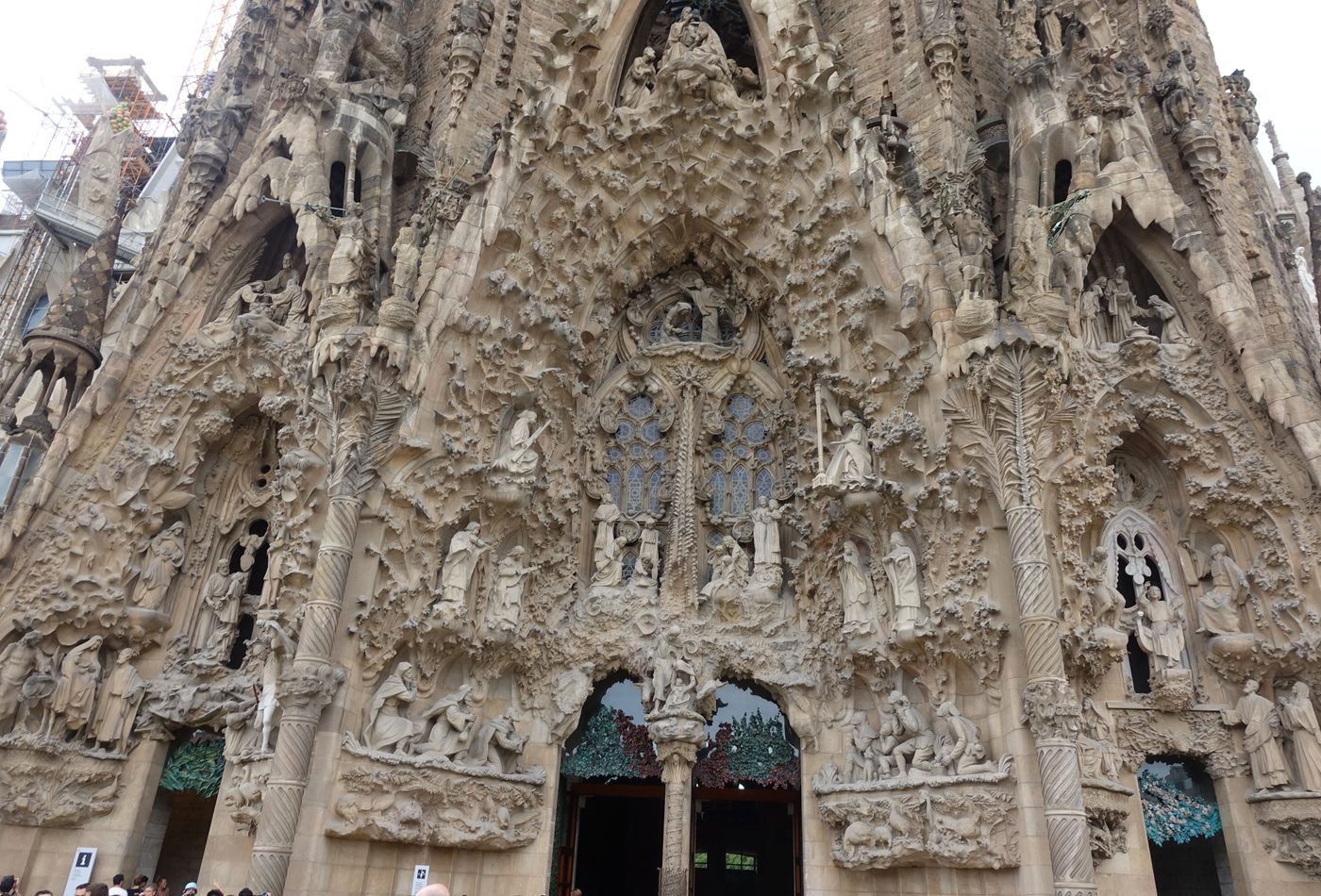
A monumental basilica in Barcelona associated with Antoni Gaudi and long-running construction.
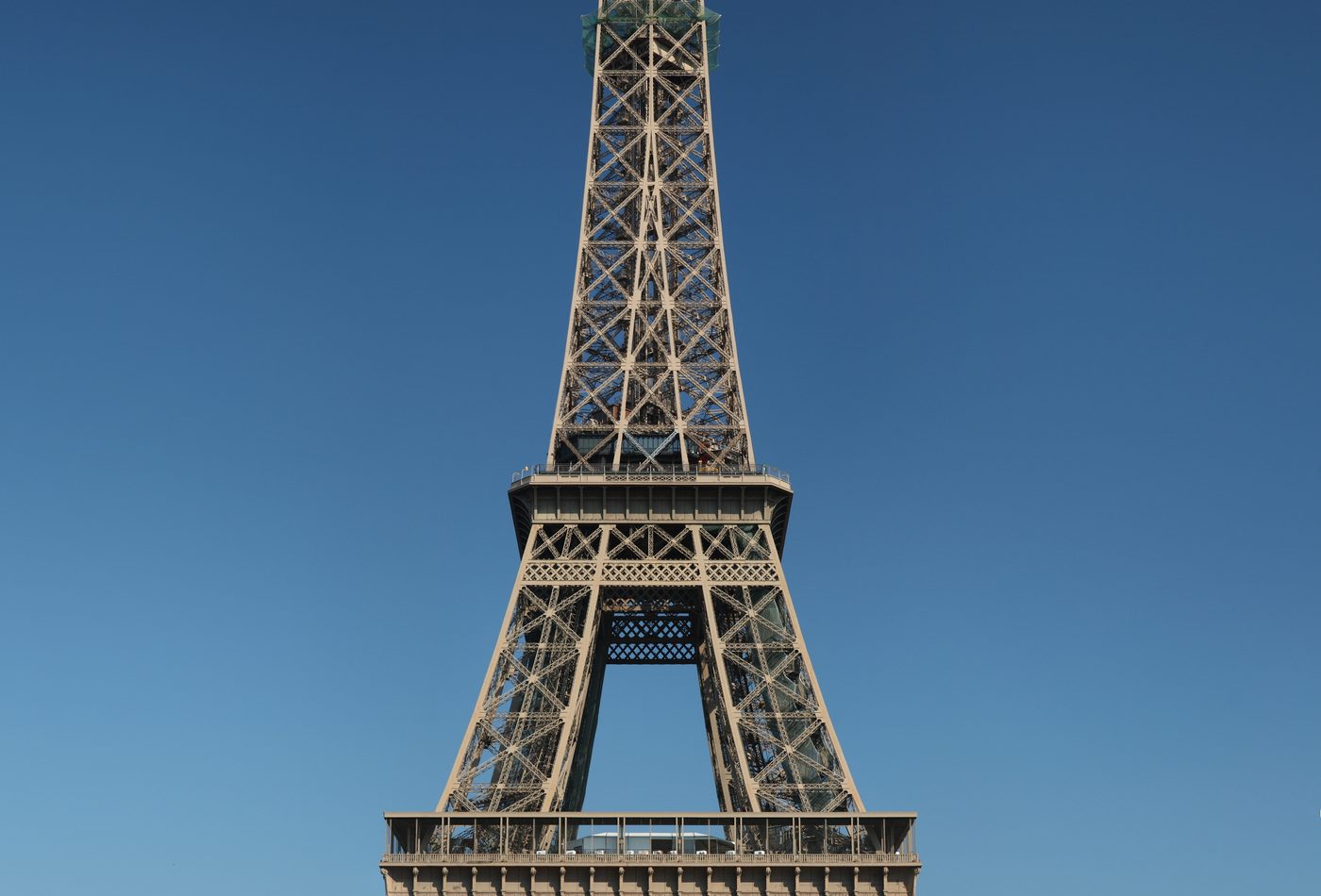
An iron lattice tower built for the 1889 Exposition Universelle.
References used for facts, location data, image credits, and architectural context on this page.