why it matters
Why this building matters
It transformed exposed engineering into a cultural symbol for Paris and modern spectacle.
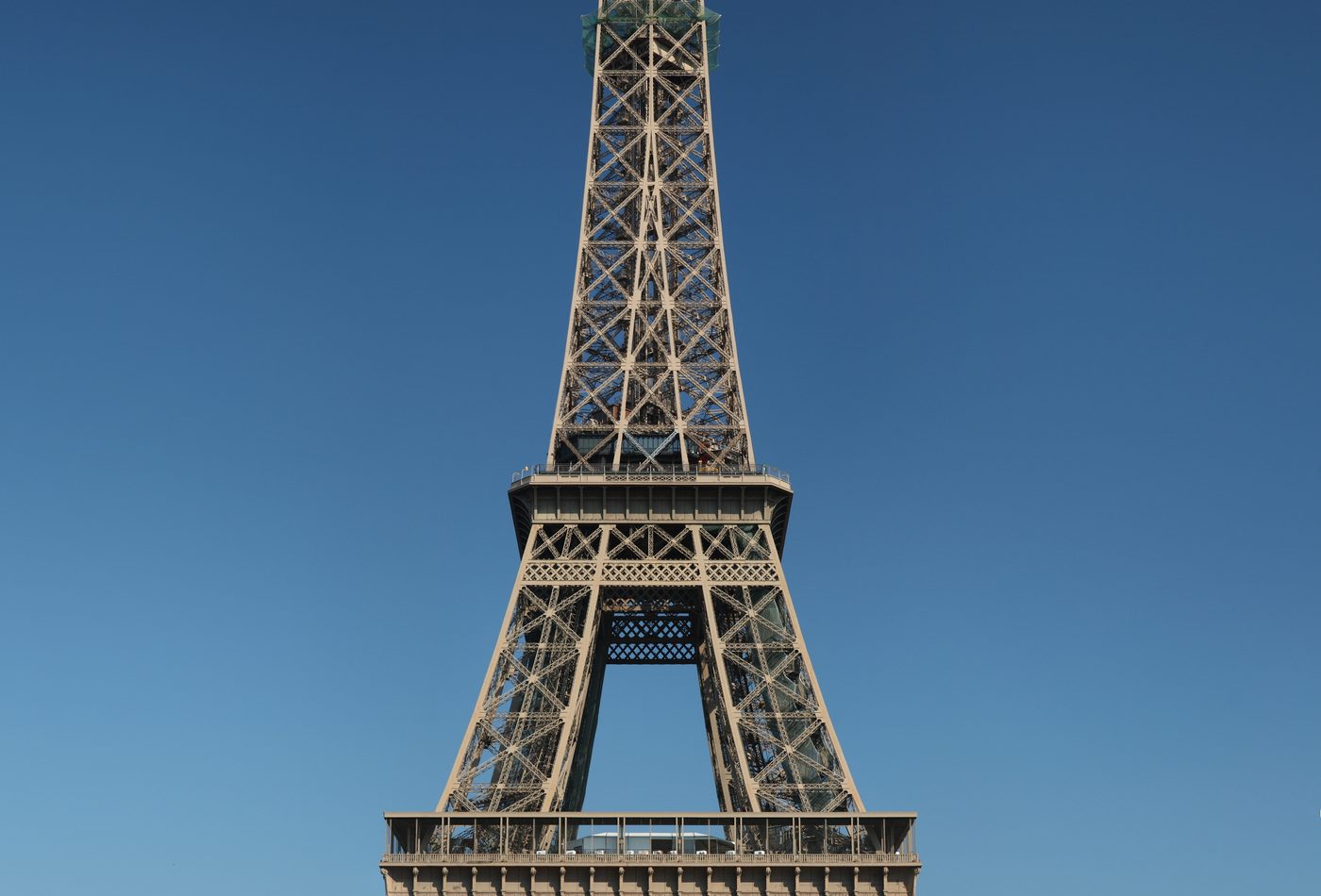
building detail
An iron lattice tower built for the 1889 Exposition Universelle.
Photo credit: Wikimedia Commons contributor / CC BY-SA 4.0.
why it matters
It transformed exposed engineering into a cultural symbol for Paris and modern spectacle.
what to notice
explore by place and style
map notes
Use the coordinates as anchors for reading the buildings in relation to streets, water, skyline, and nearby landmarks.
48.8584, 2.294548.8606, 2.337635.6764, 139.7645Map coordinates are listed with provider attribution handled through the source records.
architecture guide
A fuller reading of the building's history, setting, form, materials, and public role.
The Eiffel Tower is a tower in Paris completed for the 1889 Exposition Universelle, but the useful first fact is visual: it turns exposed iron structure into the public image of a city. Unlike a monument wrapped in stone or sculpture, the tower shows its lattice, bracing, platforms, and changing width. A reader should begin with that openness. The tower is not only tall; it is almost see-through, which is why mass, air, engineering, and skyline identity stay in tension.
The tower's original setting was an international exposition, a context built around display, technology, crowds, and national ambition. That helps explain the form. It was meant to be seen, discussed, climbed, measured, and remembered. The fact that it outlived the event is part of its architectural meaning. Temporary spectacle became permanent civic orientation, and an engineering display became a symbol that people use to locate Paris in memory.
The recorded material is iron, but that single word carries much of the design. Iron allows the tower to be skeletal instead of masonry-heavy. It makes load paths, diagonals, platforms, and riveted members visible. It also changes how the tower is photographed: the structure can appear dense from one angle and almost transparent from another. That is why the material is not background information. It is the reason the tower can feel large and light at the same time.
Look at the widening feet before looking at the summit. The tower rises because the base spreads, gathers force, and turns four legs into a single vertical figure. The lower arches also soften the transition between engineering and urban monument. They make the structure feel framed rather than merely propped up. A fact sheet that skips the base misses the logic that lets the tower become both stable object and city icon.
The date places the tower inside a late nineteenth-century world of exhibitions, industrial materials, public spectacle, and competition over technological progress. That does not mean the tower is only a machine. It means the design used machine-age methods to create a public experience. Visitors could see the structure, ascend it, and look back across the city. The tower made technology into an urban ritual.
A good quick reading should leave three anchors. First, the tower belongs to an exposition culture that valued engineering as display. Second, the iron lattice makes structure visible instead of hiding it behind a traditional facade. Third, the Paris setting turned a technical object into a civic sign. Those anchors make the basic facts useful for design analysis, history, and visiting, rather than leaving them as disconnected names and dates.
If a fact does not help the visitor see something, it is probably not doing enough work. For the Eiffel Tower, the useful facts should lead the eye toward the spread base, the open lattice, the exposition date, and the way the tower can be both industrial object and public monument.
The Eiffel Tower is best read as a structure that refuses to hide how it stands. Its diagonals, platforms, legs, and tapering profile make the tower feel like a diagram of forces at city scale. That does not make it cold or purely technical. The design's power comes from turning calculation into a memorable silhouette. The viewer can understand the tower from far away, then keep finding smaller structural decisions up close.
From a distance, the tower is easy to remember: four legs, widening base, tapering shaft, upper platform, pointed top. Up close, that simple outline becomes a dense field of iron members. This two-level reading is the design's strength. A building that works only as a distant icon can become flat. A building that works only as detail can become illegible. The Eiffel Tower does both at once.
The lower zone is more than support. It organizes arrival, frames views through the legs, and gives visitors a sense of crossing into the structure rather than standing beside it. The arches and spread feet make the tower feel intentional as a public monument, not only efficient as engineering. This is where the design becomes architectural: structure creates a threshold, a place to gather, and a way to understand scale.
The iron lattice does not read the same way from every angle. Against open sky it can look delicate; against the city it can look dense; from below it can feel overwhelming. That changing transparency keeps the tower alive visually. It also explains why the tower can dominate Paris without behaving like a solid wall. Its presence is strong, but its material logic leaves air, light, and view inside the object.
The tower is often described through engineering, but its visible structure also works ornamentally. Repetition, rhythm, curvature, and bracing create visual pattern. The difference is that the ornament is not applied after construction; it emerges from the members that hold the tower together. That makes the tower a useful case for structural expression: the building's decoration and its logic are deeply linked.
Compare the Eiffel Tower with the Sydney Opera House or Tokyo International Forum by asking what each project chooses to expose. Sydney exposes a roofscape and civic platform; Tokyo exposes a transparent interior structure; the Eiffel Tower exposes the act of standing up. That comparison is more useful than ranking icons because it shows different ways architecture can make engineering public.
The design should not be reduced to height. Height made the tower famous, but legibility made it last. A reader should be able to point to the widening base, the tapering profile, the open lattice, and the viewing platforms, then explain how those features turn a technical structure into a civic landmark.
The Eiffel Tower's history is useful because it shows how a technical structure can become cultural memory. Built for the 1889 exposition, it entered Paris as a public demonstration of height, iron construction, and national ambition. It also entered as a provocation. Many landmarks are controversial because they are expensive or unfamiliar; this one was controversial because it made engineering impossible to ignore in a city associated with stone monuments, boulevards, and historical continuity.
World expositions were not neutral backdrops. They were stages for industry, empire, invention, entertainment, and public education. The tower belonged to that world. Its purpose was not only to contain rooms or shelter a program; it was to display what construction and calculation could do. That context explains why the tower's image was so powerful. It made technology visible at a scale ordinary visitors could experience physically.
The tower's early criticism should not be treated as a footnote. It helps explain why the building still matters. Public objections revealed a deeper question: could exposed industrial structure belong in the symbolic center of a historic capital? The later affection for the tower did not erase that question. Instead, the shift from rejection to embrace became one of the tower's core stories, showing how public taste can change around a new architectural language.
A fair structure usually disappears when the event ends or survives as a curiosity. The Eiffel Tower survived because it kept gaining uses and meanings. It offered views, orientation, scientific and communications value, tourist experience, and a repeatable image for Paris. Each use strengthened the next. The tower became harder to imagine as temporary because people kept finding ways to make it part of the city.
The tower did not simply sit in Paris; it changed how Paris could be pictured. It gave the city a vertical mark that could be photographed, drawn, reproduced, and recognized quickly. This matters historically because images are part of how architecture becomes public. The tower's silhouette could travel far beyond the city, while visitors in Paris could use it as a point of orientation and a viewing machine.
The Eiffel Tower teaches that architectural legacy is not fixed on opening day. A building can move from temporary exhibit to disputed object to practical infrastructure to beloved landmark. That movement depends on repeated public use, changing media, technical adaptation, and the ability of a form to carry more than one meaning. The tower's history is therefore a history of changing acceptance, not only a date attached to a monument.
A useful historical reading should change the way the tower is seen. The lattice should no longer look like a neutral pattern; it should read as a nineteenth-century statement about industry. The controversy should no longer look like background drama; it should read as evidence that Paris had to renegotiate what counted as civic beauty.
The Eiffel Tower is best read first from a distance. A close view makes the iron members impressive, but a distant view explains the urban role. Watch how the tower rises above roofs, trees, river edges, and avenues. Its value as architecture is not only that it can be climbed. It gives Paris a visible reference point and changes ordinary city views into views with a vertical anchor.
The base is the part to study before the summit. As you approach, look at how the four legs spread, how the lower arches frame space, and how the structure gathers people beneath it. The tower is often imagined as a single needle, but the experience at ground level is broad, heavy, and spatial. That contrast between distant thinness and close mass is one of the most important visiting lessons.
Do not only look at the tower as an object. Look through it. The lattice creates layers of city, sky, structure, and shadow. From some points the iron almost disappears into air; from others it becomes a dark grid. This changing transparency is easier to understand on site than in a single image. It is also what separates the tower from a solid monument.
The platforms are not just places to take photographs from. They interrupt the tapering structure, give the tower horizontal pauses, and help visitors understand the relationship between height and assembly. Looking back at the structure from a platform can be as useful as looking outward across Paris. The tower teaches through ascent because each level changes the scale of the iron frame.
A useful architecture record should include three views. First, a city-distance view showing the tower in the skyline. Second, a base view that captures the spread legs and framed space below. Third, a close structural view of iron members, rivets, or diagonals. Together these views explain public image, structural support, and material detail. One postcard angle cannot do all three jobs.
After studying the tower, compare it with Sydney Opera House, Tokyo International Forum, or other exposed-structure landmarks. The question is not which one is more famous. The question is how each turns construction into public experience. The Eiffel Tower's special lesson is that a structure can become loved not by hiding its engineering, but by making that engineering legible, repeatable, and memorable.
Give the visit a sequence: skyline first, base second, lattice third, platform fourth, city view last. This order prevents the tower from becoming only a destination checklist. It lets the visitor connect the distant symbol to the physical assembly that makes the symbol possible. The tower is more rewarding when the eye moves from outline to joint and back again.
The detail most visitors miss is the shift in scale. From far away the tower is one sign; from below it becomes a field of parts. Let those two readings stay separate for a moment before connecting them. That pause is where the architecture becomes clearer: the beloved city image depends on thousands of visible structural decisions.
continue reading
related buildings
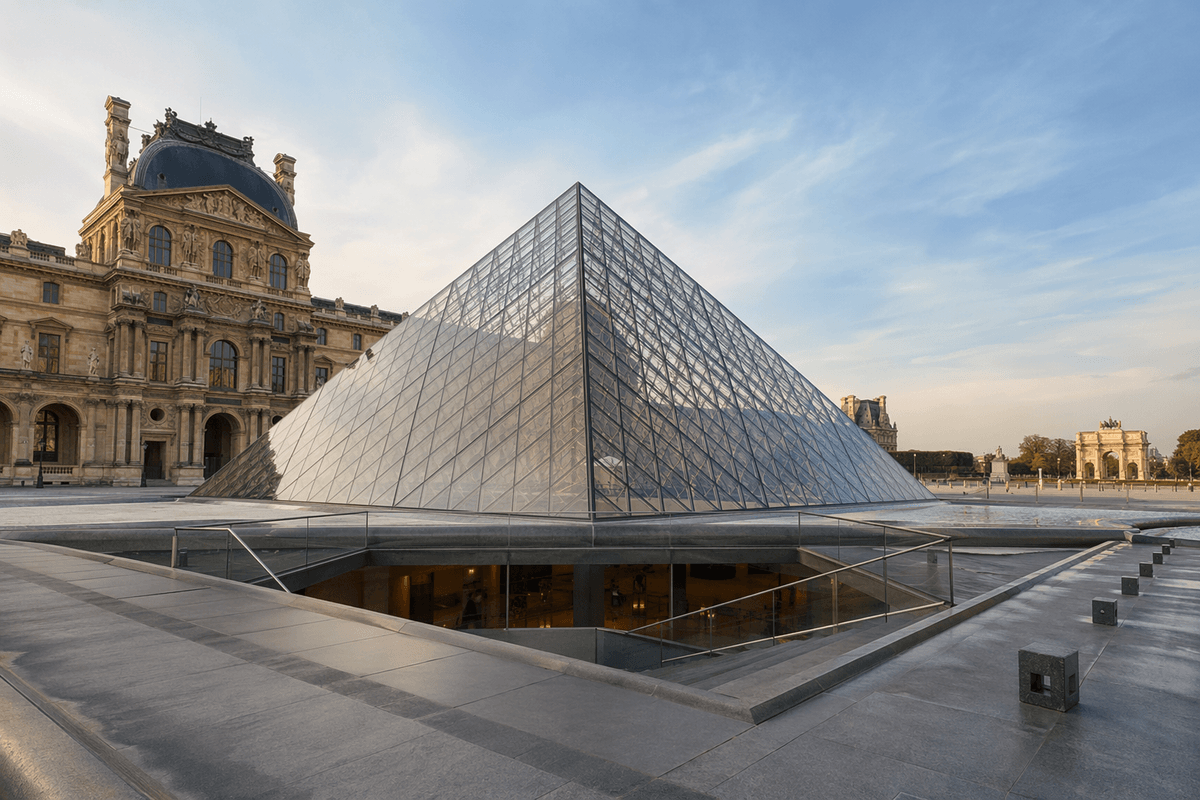
A glass and metal pyramid that reorganized the entrance to the Louvre Museum.
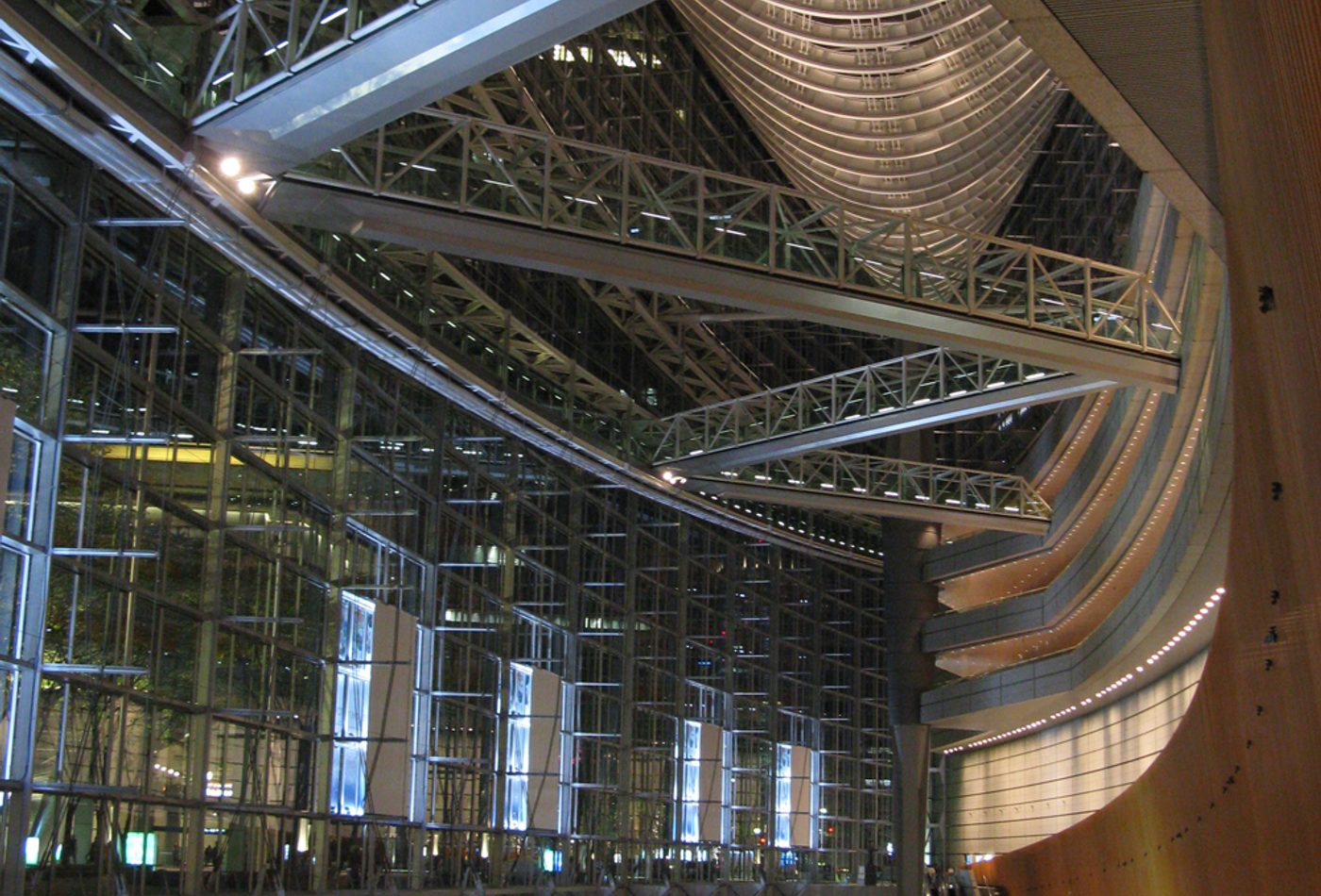
A civic complex known for a vast glass atrium often compared to a ship.
References used for facts, location data, image credits, and architectural context on this page.