guide
Eiffel Tower Facts: Iron, Height, and Expo Origins
The fact that matters first
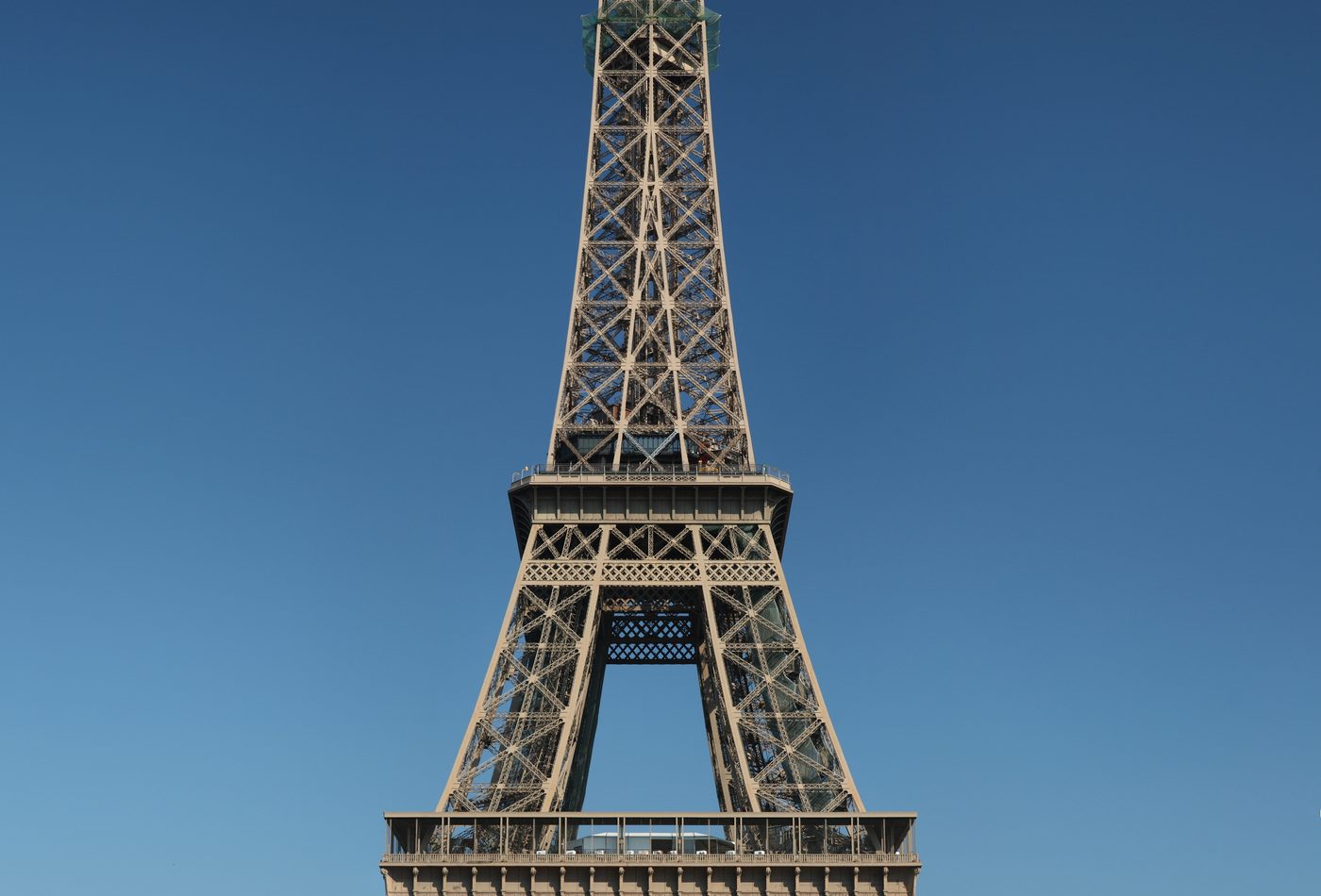
The Eiffel Tower is a tower in Paris completed for the 1889 Exposition Universelle, but the useful first fact is visual: it turns exposed iron structure into the public image of a city. Unlike a monument wrapped in stone or sculpture, the tower shows its lattice, bracing, platforms, and changing width. A reader should begin with that openness. The tower is not only tall; it is almost see-through, which is why mass, air, engineering, and skyline identity stay in tension.
A temporary exhibition idea that stayed
The tower's original setting was an international exposition, a context built around display, technology, crowds, and national ambition. That helps explain the form. It was meant to be seen, discussed, climbed, measured, and remembered. The fact that it outlived the event is part of its architectural meaning. Temporary spectacle became permanent civic orientation, and an engineering display became a symbol that people use to locate Paris in memory.
Iron is the main reading tool
The recorded material is iron, but that single word carries much of the design. Iron allows the tower to be skeletal instead of masonry-heavy. It makes load paths, diagonals, platforms, and riveted members visible. It also changes how the tower is photographed: the structure can appear dense from one angle and almost transparent from another. That is why the material is not background information. It is the reason the tower can feel large and light at the same time.
The base explains the height
Look at the widening feet before looking at the summit. The tower rises because the base spreads, gathers force, and turns four legs into a single vertical figure. The lower arches also soften the transition between engineering and urban monument. They make the structure feel framed rather than merely propped up. A fact sheet that skips the base misses the logic that lets the tower become both stable object and city icon.
Why the year 1889 is not trivia
The date places the tower inside a late nineteenth-century world of exhibitions, industrial materials, public spectacle, and competition over technological progress. That does not mean the tower is only a machine. It means the design used machine-age methods to create a public experience. Visitors could see the structure, ascend it, and look back across the city. The tower made technology into an urban ritual.
What to remember after the quick facts
A good quick reading should leave three anchors. First, the tower belongs to an exposition culture that valued engineering as display. Second, the iron lattice makes structure visible instead of hiding it behind a traditional facade. Third, the Paris setting turned a technical object into a civic sign. Those anchors make the basic facts useful for design analysis, history, and visiting, rather than leaving them as disconnected names and dates.
Quick fact reading check
If a fact does not help the visitor see something, it is probably not doing enough work. For the Eiffel Tower, the useful facts should lead the eye toward the spread base, the open lattice, the exposition date, and the way the tower can be both industrial object and public monument.