guide
Eiffel Tower History from Fair Structure to City Symbol
The tower began as an argument about modernity
The Eiffel Tower's history is useful because it shows how a technical structure can become cultural memory. Built for the 1889 exposition, it entered Paris as a public demonstration of height, iron construction, and national ambition. It also entered as a provocation. Many landmarks are controversial because they are expensive or unfamiliar; this one was controversial because it made engineering impossible to ignore in a city associated with stone monuments, boulevards, and historical continuity.
Exposition culture shaped the meaning
World expositions were not neutral backdrops. They were stages for industry, empire, invention, entertainment, and public education. The tower belonged to that world. Its purpose was not only to contain rooms or shelter a program; it was to display what construction and calculation could do. That context explains why the tower's image was so powerful. It made technology visible at a scale ordinary visitors could experience physically.
Criticism became part of the legacy
The tower's early criticism should not be treated as a footnote. It helps explain why the building still matters. Public objections revealed a deeper question: could exposed industrial structure belong in the symbolic center of a historic capital? The later affection for the tower did not erase that question. Instead, the shift from rejection to embrace became one of the tower's core stories, showing how public taste can change around a new architectural language.
Why it became more than a fair structure
A fair structure usually disappears when the event ends or survives as a curiosity. The Eiffel Tower survived because it kept gaining uses and meanings. It offered views, orientation, scientific and communications value, tourist experience, and a repeatable image for Paris. Each use strengthened the next. The tower became harder to imagine as temporary because people kept finding ways to make it part of the city.
The city changed around the symbol
The tower did not simply sit in Paris; it changed how Paris could be pictured. It gave the city a vertical mark that could be photographed, drawn, reproduced, and recognized quickly. This matters historically because images are part of how architecture becomes public. The tower's silhouette could travel far beyond the city, while visitors in Paris could use it as a point of orientation and a viewing machine.
What the history teaches
The Eiffel Tower teaches that architectural legacy is not fixed on opening day. A building can move from temporary exhibit to disputed object to practical infrastructure to beloved landmark. That movement depends on repeated public use, changing media, technical adaptation, and the ability of a form to carry more than one meaning. The tower's history is therefore a history of changing acceptance, not only a date attached to a monument.
Historical reading check
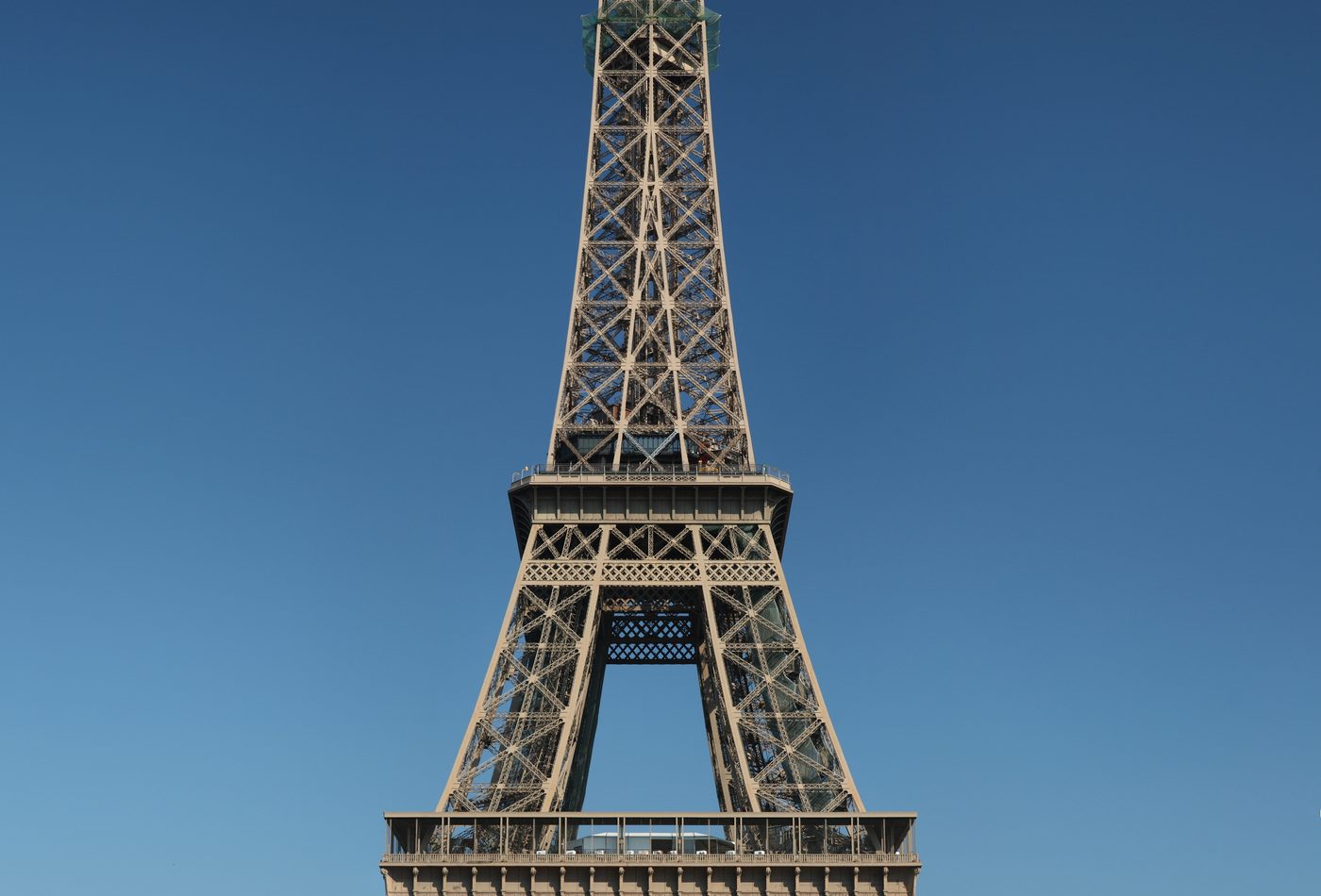
A useful historical reading should change the way the tower is seen. The lattice should no longer look like a neutral pattern; it should read as a nineteenth-century statement about industry. The controversy should no longer look like background drama; it should read as evidence that Paris had to renegotiate what counted as civic beauty.