A curated path into buildings whose form, setting, or story makes people stop and ask how they were designed.
orientation
Where to go next
Collection logic
A curated path into buildings whose form, setting, or story makes people stop and ask how they were designed. Unusual Buildings Around the World is curated around a reader question rather than around a database category. It helps visitors move from that Unusual Buildings Around the World curiosity to specific buildings that share a visual, urban, material, or cultural problem.
Buildings in this path
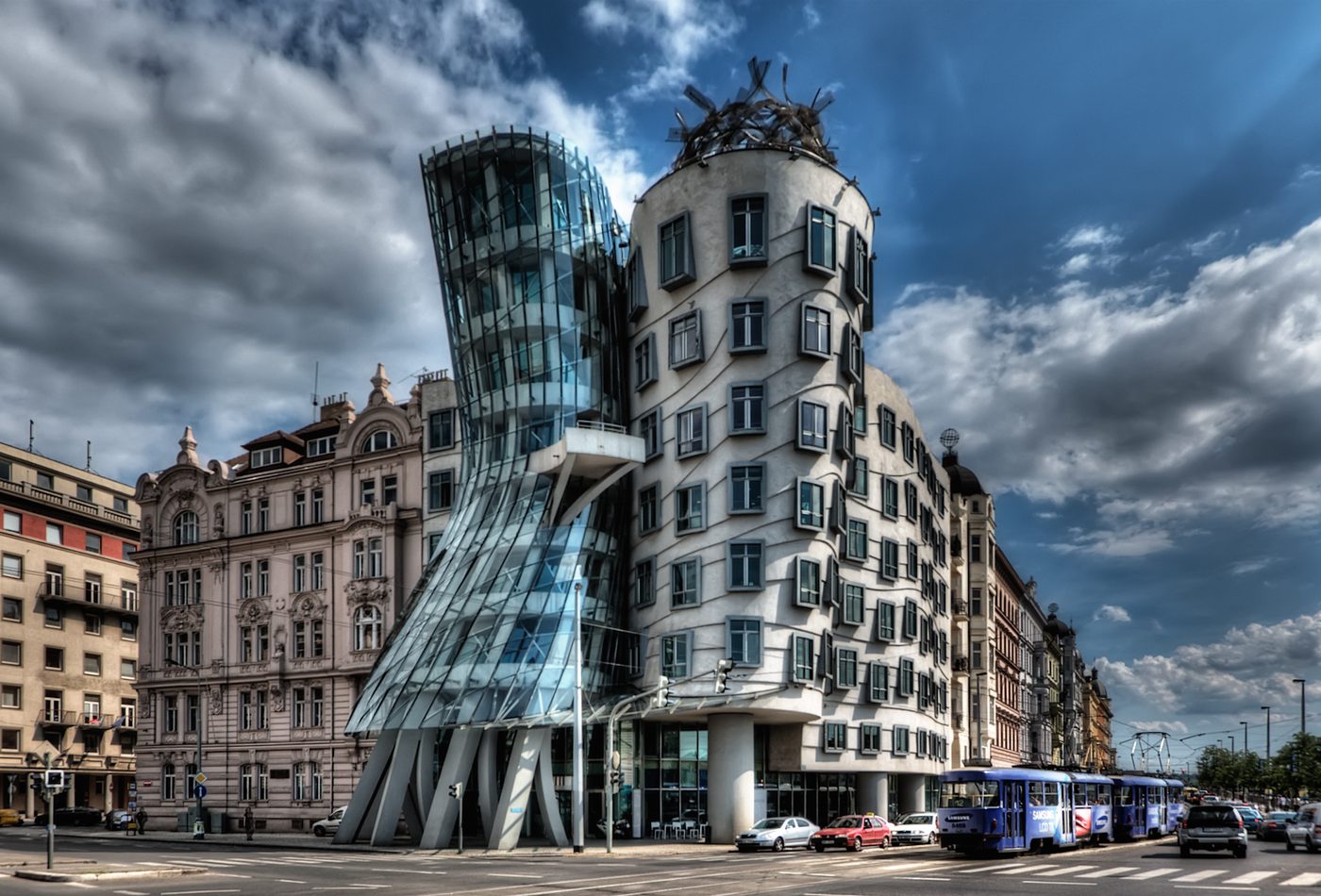
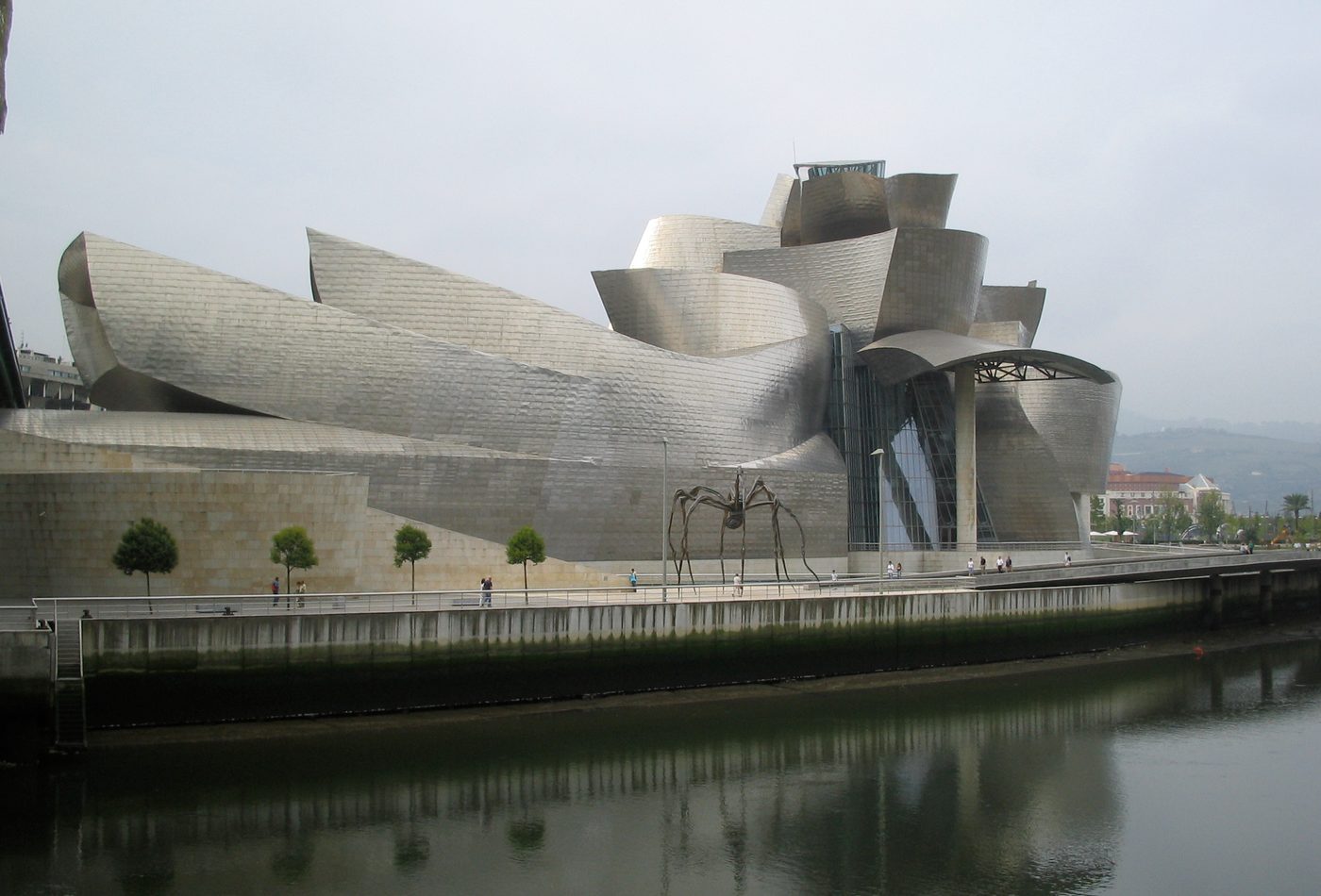
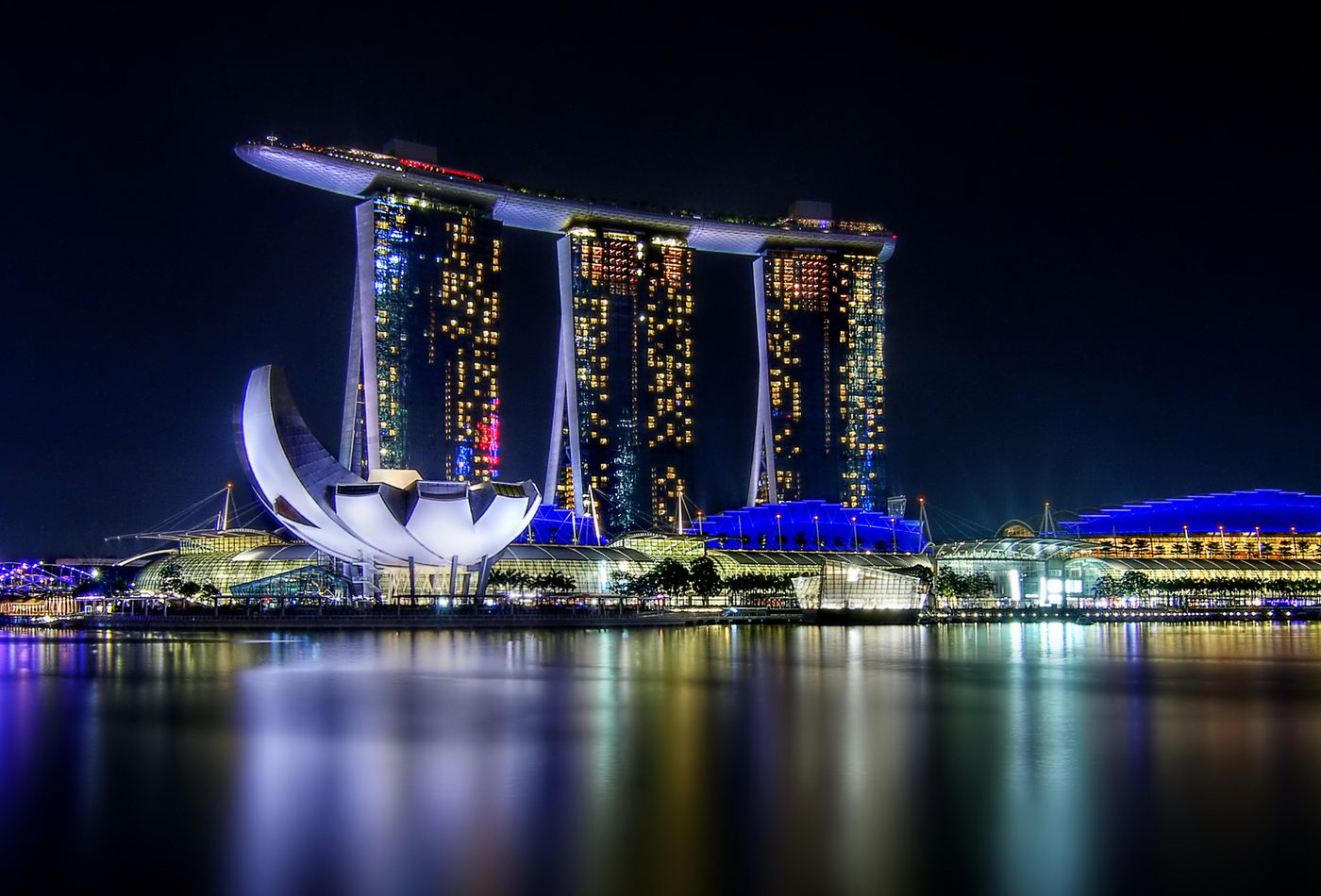
In Unusual Buildings Around the World, start with Dancing House, Guggenheim Museum Bilbao, and Marina Bay Sands. These buildings give Unusual Buildings Around the World enough contrast to be useful: one may be remembered for silhouette, another for material surface, another for waterfront setting, technical expression, public controversy, or interior experience.
How to compare them
Read each Unusual Buildings Around the World example through four lenses: first image, close detail, city role, and related works. Unusual Buildings Around the World should make browsing feel intentional, so every card points toward a fuller guide rather than ending as a decorative gallery.
Why it helps
Unusual Buildings Around the World helps readers who arrive by curiosity rather than by exact building name. It gives the Unusual Buildings Around the World question a clear editorial frame, then routes the reader into concrete examples, sources, image credits, and building-specific guide sets. Even a compact Unusual Buildings Around the World collection should explain why the examples belong together and what to compare first.
What to verify visually
Unusual Buildings Around the World needs one visual evidence check before it sends readers onward: give Unusual Buildings Around the World a clear reading path before sending readers deeper into the atlas. On Unusual Buildings Around the World, compare Dancing House, Guggenheim Museum Bilbao, and Marina Bay Sands through style cues around Deconstructivist Architecture and Modernist Architecture, then confirm dates, coordinates, image credits, materials, and related works on the building pages. A reader should leave Unusual Buildings Around the World knowing one next building and one design clue to test there. If Unusual Buildings Around the World feels too broad, narrow the route through glass, concrete, steel, titanium, and limestone before opening a full building guide.
Choose the next view
Before leaving Unusual Buildings Around the World, match one concrete question to one visible clue. If Unusual Buildings Around the World is serving place context, open the city or map route; if it is serving vocabulary, open a style or glossary page. If Unusual Buildings Around the World needs evidence through a real project, open Dancing House, Guggenheim Museum Bilbao, and Marina Bay Sands and inspect glass, concrete, steel, titanium, and limestone against Deconstructivist Architecture and Modernist Architecture. The better route from Unusual Buildings Around the World is slower: choose one building, note one material or form decision, then compare it with a second page that confirms the pattern or makes the difference sharper.