why it matters
Why this building matters
It made a skyline object out of a hotel, public deck, mall, casino, and waterfront identity.
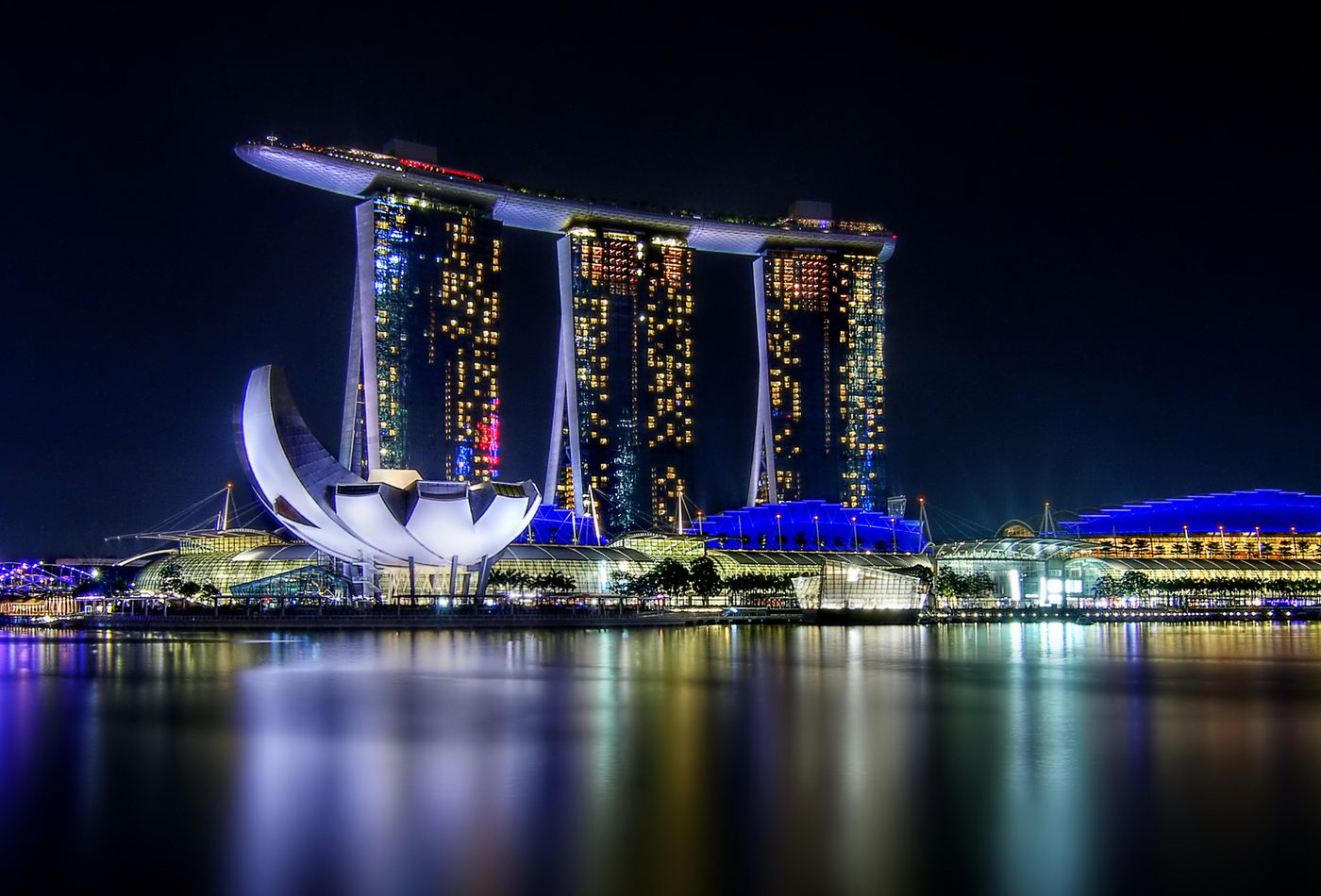
building detail
A three-tower integrated resort with a long sky park across the top.
Photo credit: Wikimedia Commons contributor / CC BY 2.0.
why it matters
It made a skyline object out of a hotel, public deck, mall, casino, and waterfront identity.
what to notice
explore by place and style
map notes
Use the coordinates as anchors for reading the buildings in relation to streets, water, skyline, and nearby landmarks.
1.2834, 103.8607-33.8568, 151.215325.1972, 55.2744Map coordinates are listed with provider attribution handled through the source records.
architecture guide
A fuller reading of the building's history, setting, form, materials, and public role.
Marina Bay Sands is an integrated resort in Singapore designed by Moshe Safdie and completed in 2010. The basic fact is easy to remember: three hotel towers support a long SkyPark across the top. The more useful architectural fact is that the famous skyline figure is a section, not only an image. Hotel rooms, casino and retail uses, convention space, public decks, pools, gardens, and waterfront routes are stacked and linked into one urban machine.
The three towers are separate vertical slabs, but the SkyPark makes them read as one building from across Marina Bay. That top element is essential. Without it, the project would be three large hotel towers near the water. With it, the composition becomes a single skyline sign, almost like a bridge or ship placed high above the city. The building is therefore best read through the tension between repeated vertical supports and one continuous horizontal crown.
The SkyPark carries observation, leisure, landscape, and image-making functions. It is the part of the building that turns private resort infrastructure into a public city symbol. Its long, boat-like profile is visible from far away, but its architectural importance is also sectional: it links the towers, creates an elevated ground plane, and converts height into a destination. A fact page should treat it as program, structure, and sign at the same time.
Marina Bay Sands sits on Singapore's Marina Bay waterfront, so reflection, skyline, promenade movement, and long-distance views are part of the building's identity. The resort is not hidden inside a district. It faces the bay as a staged urban backdrop. That placement makes the building work like civic theater even though its program is commercial. The water gives the composition distance, symmetry, and a mirror that strengthens the three-tower-and-deck image.
The type matters. Marina Bay Sands combines hotel, casino, convention, retail, dining, entertainment, observation, and landscape functions. Different visitors therefore read the building through different uses: a guest reads the towers, a tourist reads the deck, a city walker reads the waterfront silhouette, and a planner reads a large development anchor. The architecture is the management of those overlapping readings, not just the dramatic top.
The visible material set of concrete, steel, and glass creates the main structural and envelope language, but light and water are just as important to the public image. By day, the towers can read as pale vertical planes; by night, the project becomes part of a wider illuminated bay composition. The building's recognizability depends on this environmental frame. Its materials are experienced through reflection, distance, weather, and skyline contrast.
Start with the relationship between tower spacing, SkyPark length, and waterfront axis. Those three clues explain the building faster than a general claim about spectacle. The towers show the hotel logic; the SkyPark shows the desire to make one urban figure; and the bay shows why the project became a city image rather than only a resort. Marina Bay Sands belongs in the core atlas because it teaches how commercial architecture can become a skyline symbol through section, program, and setting.
Marina Bay Sands works because its basic diagram can be understood quickly: three towers below, one long SkyPark above. That simplicity is not a weakness. It lets an enormous mixed-use complex become legible from across the bay. The design problem is how to make repetition, height, commercial program, and skyline spectacle read as one composition rather than as separate pieces of resort infrastructure.
The three towers would be strong but ordinary without the top deck. The SkyPark edits them into a single figure. It creates a horizontal counterweight to the vertical slabs and gives the building its most memorable proportion. The deck also changes how weight is perceived. Instead of making the top disappear, the design makes the top deliberately heavy and visible, turning the skyline into a balancing act.
Many buildings are read mainly through facade rhythm, but Marina Bay Sands is best read through section. The useful question is what happens at different heights: public approach and retail below, hotel rooms in the towers, leisure and viewing functions above, and the bay as the wide urban room around it. The facade matters, but it is the vertical arrangement of program that makes the building architecturally distinct.
The design depends on distance. Across Marina Bay, the towers and SkyPark become a clean silhouette that can be photographed, remembered, and used as a city marker. From closer routes, the building becomes more complex: podium edges, hotel arrivals, retail thresholds, convention circulation, and waterfront movement compete with the famous outline. The design succeeds when those distant and close readings still feel connected.
One of the important design tensions is that the project is commercial but widely read as part of Singapore's public image. The resort program is not civic in the same way as an opera house or museum, yet the bay-facing composition gives it a civic presence. The architecture turns leisure, gambling, hospitality, shopping, and convention infrastructure into a skyline emblem. That transformation is the key design issue, and it should be judged carefully rather than praised automatically.
The SkyPark gives the project structural drama even when a visitor does not know the engineering details. Its long horizontal mass appears to bridge and overhang above the towers, making the top feel like a constructed landscape in the air. The visual confidence of that move is central to the building's identity. The structure is not exposed in a high-tech way, but its scale and position are unmistakable.
Compare Marina Bay Sands with Sydney Opera House and Burj Khalifa. Sydney uses roof geometry and harbor setting to create a cultural civic image. Burj Khalifa uses plan, taper, and extreme height to define a district. Marina Bay Sands uses a horizontal sky park across vertical hotel towers to turn a commercial waterfront complex into a single skyline figure. The comparison shows why the building should be read through section and city image, not only through novelty.
Marina Bay Sands is historically important because it became one of the clearest images of twenty-first-century Singapore. It did not grow slowly out of an old street fabric. It arrived within a planned waterfront district shaped by land reclamation, tourism strategy, infrastructure, finance, and public image-making. That history makes the building different from a monument that becomes symbolic over centuries. Marina Bay Sands was designed to become instantly legible.
The building's history is tied to the integrated resort model. Hotel rooms, casino, convention facilities, retail, dining, performance, and observation were assembled into one development that could support tourism and business travel. This matters historically because the architecture is part of an economic and policy decision, not only an aesthetic one. The building's form made that decision visible on the skyline.
Moshe Safdie's authorship matters because the complex is more than a developer diagram. The three towers and SkyPark form a clear architectural proposition: stack a resort vertically, then bind it with an elevated public landscape. Safdie's broader work often explores habitat, public space, and large social settings. At Marina Bay Sands, those interests are translated into a commercial and touristic context, which makes the project both powerful and debatable.
The SkyPark gave Singapore a new shorthand image. Before it is understood as a hotel deck, it is recognized as a long object balancing above three towers. That recognition changed the city's visual memory. The project became a recurring image in tourism, events, night views, and aerial photographs. Its historical force comes from that repetition: the building compresses a larger waterfront redevelopment story into one unmistakable profile.
The project raises an important historical debate. Can a commercial resort become a public city symbol, and what kind of publicness does it offer? Marina Bay Sands creates promenades, views, events, and a strong civic image, but much of its program is commercial, controlled, and destination-driven. The building's importance depends on this tension. It is both a successful urban image and a reminder that skyline identity can be produced by private leisure infrastructure.
Historically, Marina Bay Sands belongs beside buildings such as Sydney Opera House and Burj Khalifa, but the comparison should be precise. Sydney is a cultural building that became a civic symbol through harbor presence. Burj Khalifa is a supertall district anchor. Marina Bay Sands is a resort complex that became a national and tourism image through a bay-facing section. Each shows a different way architecture can become city identity.
A useful history page should not describe Marina Bay Sands only as futuristic or luxurious. It should show how planning, tourism, commercial development, waterfront design, authorship, and public image meet in one project. If those forces stay visible, the building becomes a historical document rather than a postcard. It records how a compact city-state used architecture to make a new bay district globally recognizable.
The best first read of Marina Bay Sands is from across Marina Bay, where the three towers and SkyPark can be seen as one figure. Do not begin only at the base. From too close, the project becomes a large resort complex with many entrances and commercial edges. From across the water, the section becomes legible: vertical hotel slabs below, long public deck above, and water in front acting as both mirror and urban room.
Walk the waterfront slowly and watch how the building changes against the bay. The towers may look like separate slabs from some angles, then merge again under the SkyPark. This shifting reading is useful because it shows how the project depends on movement and distance. Pause when the deck, towers, water, and surrounding skyline fit into one view. That is the moment when the building's city-image role is clearest.
After the wide view, move closer and test the ground condition. Look for hotel arrival, retail thresholds, convention routes, landscape, water edges, and pedestrian movement. The base is where the building stops being a clean diagram and becomes a working integrated resort. That complexity should not be ignored. It reveals the difference between the simple skyline figure and the dense commercial program that supports it.
If you can see or visit the SkyPark, read it as an elevated ground plane rather than only as a roof. It binds the towers, holds views, supports leisure and landscape, and gives the building its public memory. The important architectural question is how a deck so high above the city can still feel like a destination. The answer lies in the way height, panorama, pool, garden, and skyline image are combined.
Marina Bay Sands changes strongly between day and night. By day, the relationship between towers, deck, glass, water, and tropical light is easier to read. At night, the building becomes part of a larger illuminated bay scene. Both views matter. The day view explains the architectural section; the night view explains the building's role in Singapore's public image. A serious visit should try to remember both, even if only one can be photographed well.
Make one wide bay photograph that shows the whole three-tower-and-SkyPark figure, one base photograph that shows entrances or promenade movement, and one detail or elevated photograph that records the deck, facade, water reflection, or skyline relationship. Those three images keep the visit architectural. They document silhouette, ground condition, and public image instead of reducing the building to a single luxury-resort postcard.
After studying Marina Bay Sands, compare it with Sydney Opera House, Burj Khalifa, and The Shard. Sydney helps explain waterfront civic image; Burj Khalifa clarifies district-making through height; The Shard shows a sharper tower in a historic city. Marina Bay Sands differs because its strongest move is horizontal: a sky park binding three vertical towers into one bay-facing icon. That comparison helps the visit stay focused on architecture rather than spectacle alone.
continue reading
related buildings
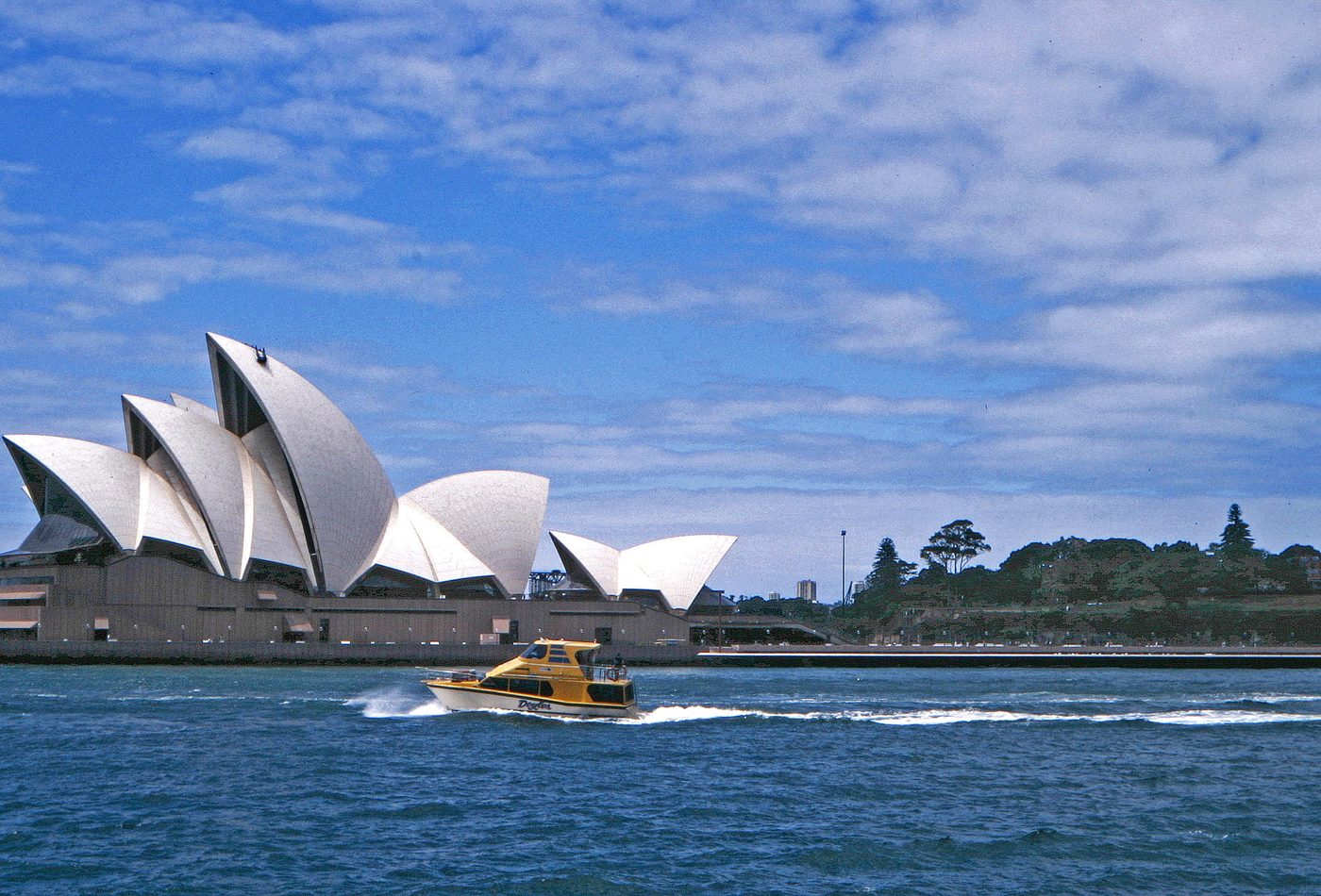
A waterfront performing arts complex known for its shell-like roof forms.
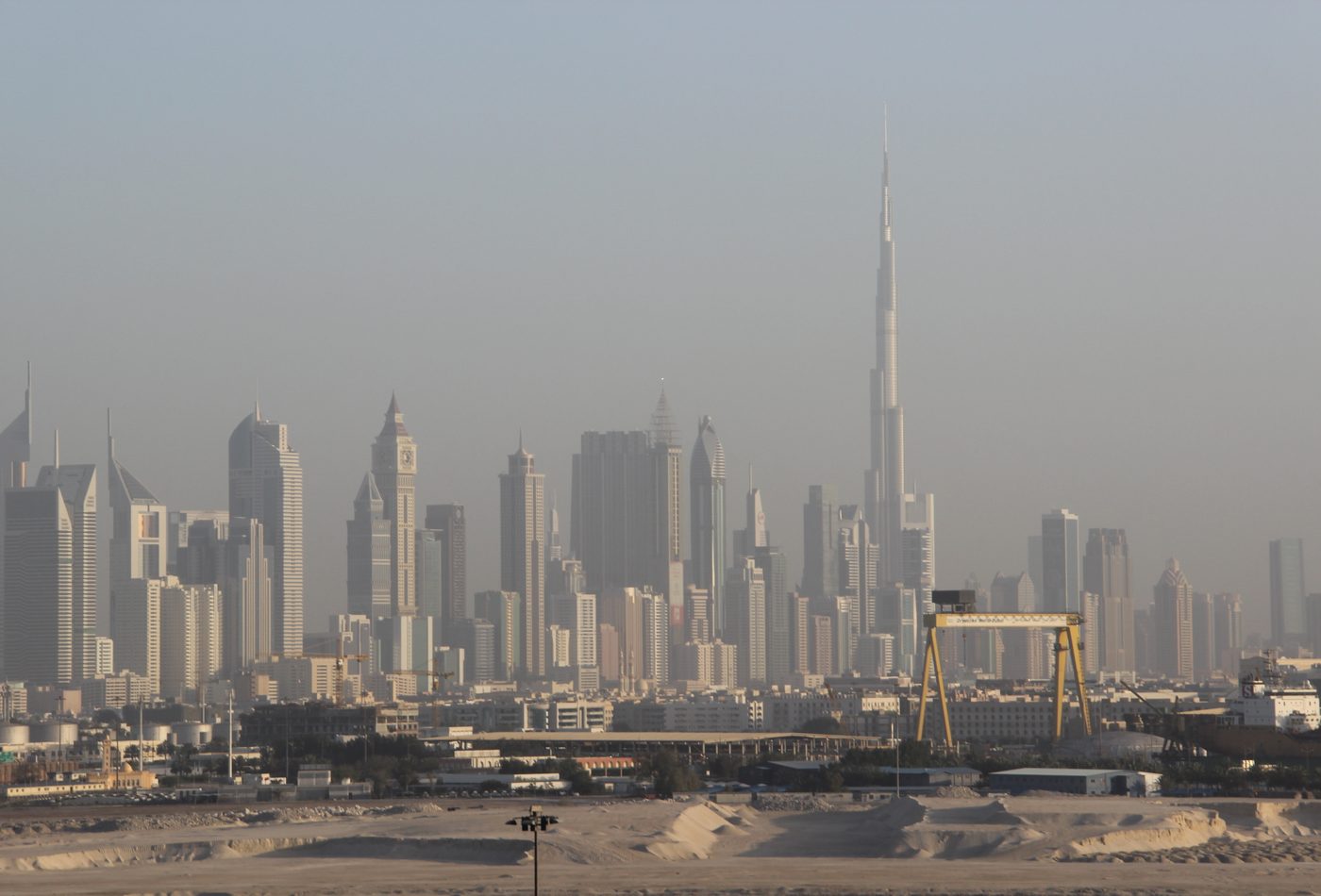
A supertall skyscraper known for its height, tiered form, and Dubai skyline role.
References used for facts, location data, image credits, and architectural context on this page.