why it matters
Why this building matters
It pushed height, spectacle, and destination urbanism into a single global landmark.
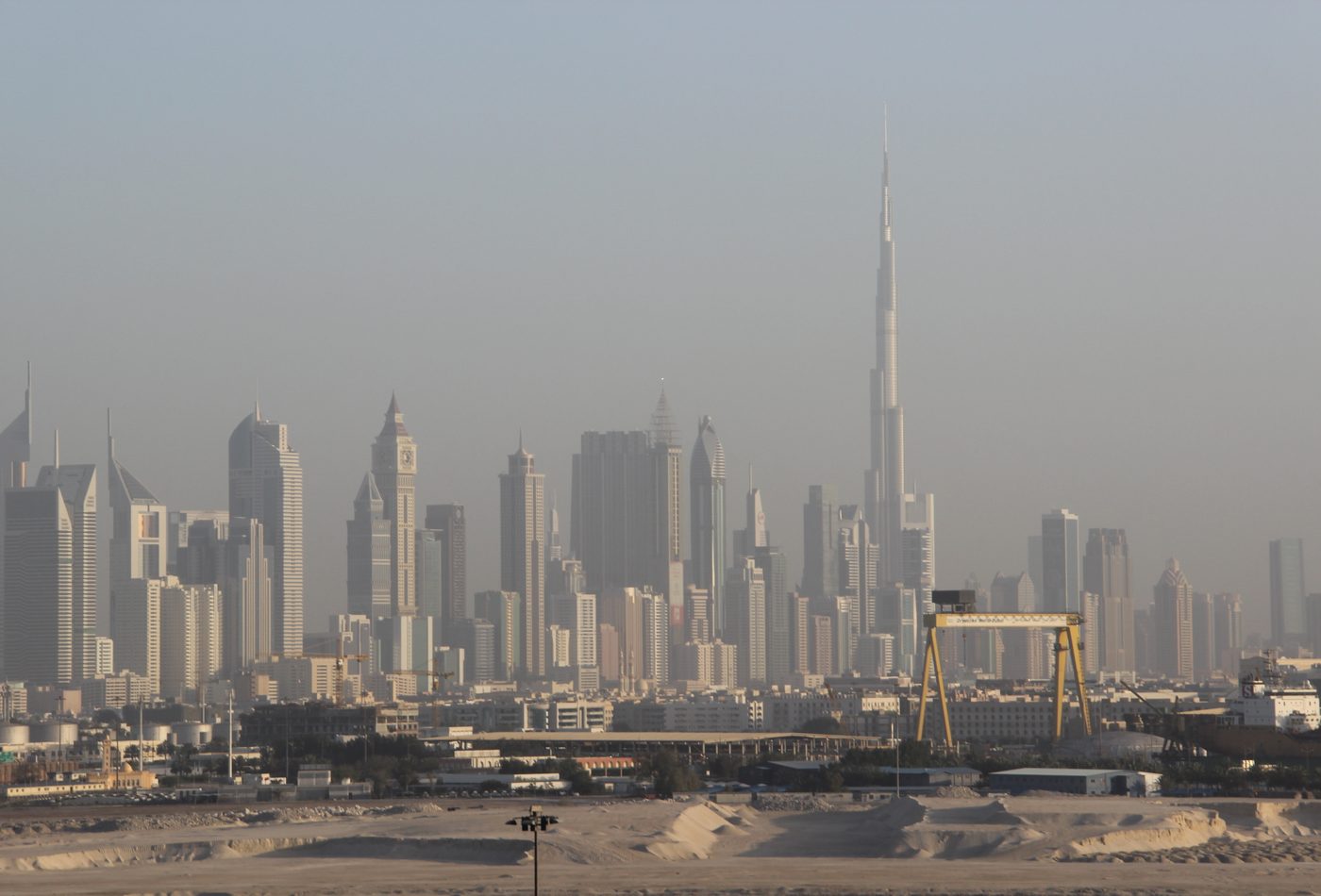
building detail
A supertall skyscraper known for its height, tiered form, and Dubai skyline role.
Photo credit: Wikimedia Commons contributor / CC BY 2.0.
why it matters
It pushed height, spectacle, and destination urbanism into a single global landmark.
what to notice
explore by place and style
map notes
Use the coordinates as anchors for reading the buildings in relation to streets, water, skyline, and nearby landmarks.
25.1972, 55.274451.5045, -0.08651.2834, 103.8607Map coordinates are listed with provider attribution handled through the source records.
architecture guide
A fuller reading of the building's history, setting, form, materials, and public role.
Burj Khalifa is a supertall skyscraper in Dubai completed in 2010 and designed by Skidmore, Owings & Merrill with Adrian Smith as consulting design partner. The public fact everyone remembers is height, but the architectural fact that matters more is how that height is organized. The tower is not simply a stretched glass needle. It is a vertical district with a structural plan, a mixed-use stack, and a staged relationship to Downtown Dubai.
The tower's triple-lobed Y-shaped plan is one of its core facts. It is often described through floral and Islamic geometric references, but it is also a practical high-rise device. The three wings help give the tower stability, views, and a clear stepping rhythm as the building rises. This plan makes the skyscraper legible from above, from the skyline, and from the ground, where the tower has to resolve back into entrances, water, landscape, and boulevards.
Burj Khalifa's structural system is usually described as a buttressed core. That means the tower is organized around a strong central core supported by three wings that brace one another. This is the fact that turns extreme height from a number into an architectural reading. The stepped form and narrowing profile are not arbitrary decoration. They help manage structure, wind, usable floor plates, and the visual experience of a tower that rises far beyond the scale of surrounding buildings.
The building includes residential, hotel, office, observation, service, and public-facing uses within one vertical stack. That mixed-use condition matters because it changes how the tower is experienced. Some people encounter it as an address, some as a hotel, some as a viewing platform, and many as an urban marker seen from far away. A fact page should not flatten those roles into one tourist claim. The tower's architecture is the section as much as the facade.
Glass, aluminum, stainless steel, concrete, and reflected desert light shape the tower's public face. The exterior has to perform in heat, glare, dust, and wind while also creating a clean skyline image. That dual demand explains why the facade should be read as both environmental envelope and symbol. The tower can look like a polished object, but it is also a climatic negotiation between cooling, shading, reflection, maintenance, and extreme height.
Burj Khalifa stands at the center of a larger development with water features, retail, hotels, promenades, and surrounding towers. That setting is essential. The building was not meant to be read as an isolated engineering trophy on an empty site. It anchors a branded district and turns height into a wayfinding device, real-estate signal, visitor destination, and city image. The skyline fact and the urban development fact belong together.
Start with the Y-shaped plan, the stepped setbacks, and the way the tower meets the district below. Those clues explain more than a height statistic. The plan reveals structural strategy; the setbacks reveal how the tower changes as it rises; and the base shows how spectacle becomes an urban arrival sequence. Burj Khalifa belongs in the core atlas because it teaches how extreme height depends on structure, mixed use, climate, and city branding at once.
Burj Khalifa is memorable because its height is not expressed as a single extrusion. The tower rises through setbacks, wings, and narrowing tiers, so the eye reads a sequence rather than a blunt vertical slab. This is a design decision with structural, aerodynamic, and visual consequences. The changing profile breaks down an extreme scale and gives the building a rhythm that can be recognized from far across Dubai.
The Y-shaped plan is not hidden from the public image. It helps generate the tower's elevation because the wings step back at different heights, producing the spiraling taper. The result is a strong relationship between plan and skyline. Many tall buildings have a memorable outline but an ordinary floor plan; Burj Khalifa is more useful to study because the plan logic and the distant profile are visibly connected.
The tower's design depends on the buttressed core system. Each wing supports the others around a central core, creating a stable high-rise structure that can keep climbing while reducing the sense of a single vulnerable shaft. This matters architecturally because the public image of lightness depends on heavy structural discipline. The more delicate the tower looks at the top, the more important the hidden and visible logic of support becomes.
The setbacks shape the tower's silhouette, but they also help address wind and floor-plate change. At this height, wind is not a side issue; it is one of the main design conditions. The tower avoids a simple repeated profile that would invite a more predictable wind response. Instead, the stepping form changes the tower's width and edge conditions as it rises. That is why the silhouette should be read as environmental strategy, not only as branding.
The facade has a difficult role. It must make the tower read as a precise, reflective object while coping with intense sun, heat, dust, and maintenance realities. The material language of glass, metal, concrete, and light produces a cool image in a hot climate. That contrast is part of the design. The tower's apparent smoothness is a carefully managed surface condition rather than a neutral wrapping around floors.
A tower this famous can easily be judged only from a distant view, but the design also has to meet a district. The base connects to water, landscape, plazas, retail approaches, hotel arrival, and pedestrian routes. This ground condition is where height becomes city experience. A useful design analysis should therefore move downward after looking upward. The tower's success depends on whether the skyline symbol can still support public movement and orientation at ground level.
Compare Burj Khalifa with The Shard and Marina Bay Sands. The Shard uses a sharp glass taper to enter a historic skyline; Marina Bay Sands uses a horizontal sky park to bind three towers into one figure; Burj Khalifa uses plan geometry, setbacks, and extreme vertical scale to define a new district image. These comparisons make the tower less generic. It is not only tall; it is a case study in how plan, structure, envelope, and urban ambition make height readable.
Burj Khalifa is historically important because it condensed a period of Dubai's global ambition into one vertical marker. The tower opened in 2010, but its meaning belongs to a larger story of real estate, tourism, finance, infrastructure, and image-making. It gave Downtown Dubai a clear center and made the city instantly legible in global skyline culture. That historical role is why the building cannot be understood only as an engineering record.
The building also belongs to the history of the Chicago-based high-rise tradition extended into the Gulf. SOM brought long experience with tall buildings, structural coordination, and commercial towers, while Adrian Smith's design role gave the project a strong architectural identity. Burj Khalifa shows how late twentieth-century skyscraper expertise was pushed into a new scale and a new development context. The tower is therefore both local symbol and global professional product.
Historically, the buttressed core system made the tower more than a height race. It showed how a three-winged plan and central core could produce a stable platform for unprecedented vertical ambition. Later supertall projects have had to answer the precedent that Burj Khalifa set: height must be supported by a convincing structural narrative, not by spectacle alone. The tower made structural explanation part of public skyscraper culture.
The tower's history is also a history of mixed-use urban branding. Hotel, residential, office, observation, retail adjacency, water features, and surrounding development reinforce one another. This is different from an older office tower that simply adds floors above a business district. Burj Khalifa became a vertical anchor for a destination district. Its public meaning depends on how architecture, entertainment, property value, and tourism were tied together.
The project raises the recurring question around supertall architecture: when does height produce real urban value, and when does it become a symbol of excess? Burj Khalifa can be admired for engineering discipline and criticized as part of spectacle-driven city-making. Both readings are necessary. The historical importance of the tower comes partly from this tension, because it forces architecture to account for climate, labor, energy, capital, tourism, and public image.
After Burj Khalifa, Dubai's skyline could be summarized by one unmistakable marker. That kind of symbolic compression is rare. The tower changed photographs, maps, travel memory, and the way later buildings around it are read. It did not create Dubai alone, but it gave a fast-changing city a vertical sign that could be repeated globally. The building's historical power comes from that repetition as much as from its physical height.
A useful history page should leave the tower more complicated than a record-holder. Burj Khalifa should be read as supertall engineering, district anchor, mixed-use stack, desert-climate envelope, tourist image, and development argument. If those layers stay visible, the building becomes a sharper historical document. It shows how twenty-first-century cities can use architecture to turn technical achievement into a public story about growth.
The best first read of Burj Khalifa is from a distance, not from directly under the tower. Step far enough back to see the full taper, setbacks, and relationship to surrounding towers. From too close, the building becomes mostly height and glass. From farther away, the Y-plan logic, spiraling profile, and skyline role become easier to read. Distance turns the tower from a number into an architectural diagram.
Downtown Dubai's water features and promenades are useful observation tools. They let the tower be seen with reflection, landscape, retail frontage, and public movement in the same view. This matters because Burj Khalifa is not only a standalone skyscraper. It anchors a district designed around arrival, walking, shopping, hotels, and spectacle. The best visit asks how the tower organizes that whole scene.
Before focusing on the spire, follow the setbacks upward. The tower changes width as it rises, and that changing edge is one of the main design facts to observe. The setbacks make the building read as a sequence of vertical chapters. They also prevent the tower from looking like a single extruded shaft. A good photograph should show those steps clearly rather than cutting the building into an anonymous glass crop.
After the wide view, move closer and study the base. Look for how entrances, water, landscape, pedestrian routes, security edges, hotel arrival, and retail approaches meet the tower. This is where a supertall building has to become usable city space. The base will not have the same purity as the skyline silhouette, and that is the point. Architecture has to negotiate crowds, cars, services, shade, and orientation.
If you go up to an observation level, treat the view as an architectural tool rather than only a spectacle. Look down to understand the Y-shaped plan, the surrounding district, the road network, water edges, and the difference between the tower's symbolic image and the city fabric around it. The view helps explain why the building is both object and instrument: it is looked at from the city, but it also turns the city into a framed panorama.
Make one distant skyline photograph that includes the entire tower, one base photograph that shows arrival and district context, and one detail photograph of facade, setback, water reflection, or spire transition. Those three images prevent the visit from becoming only a record of height. They capture the main architectural evidence: overall profile, ground negotiation, and material or structural detail.
After studying Burj Khalifa, compare it with The Shard and Marina Bay Sands. The Shard helps clarify how a taper works in a historic city; Marina Bay Sands shows a different way to make skyline spectacle through a horizontal top; Burj Khalifa shows how structural plan, mixed-use stacking, and district branding can make extreme height feel intentional. That comparison keeps the visit architectural rather than purely touristic.
continue reading
related buildings
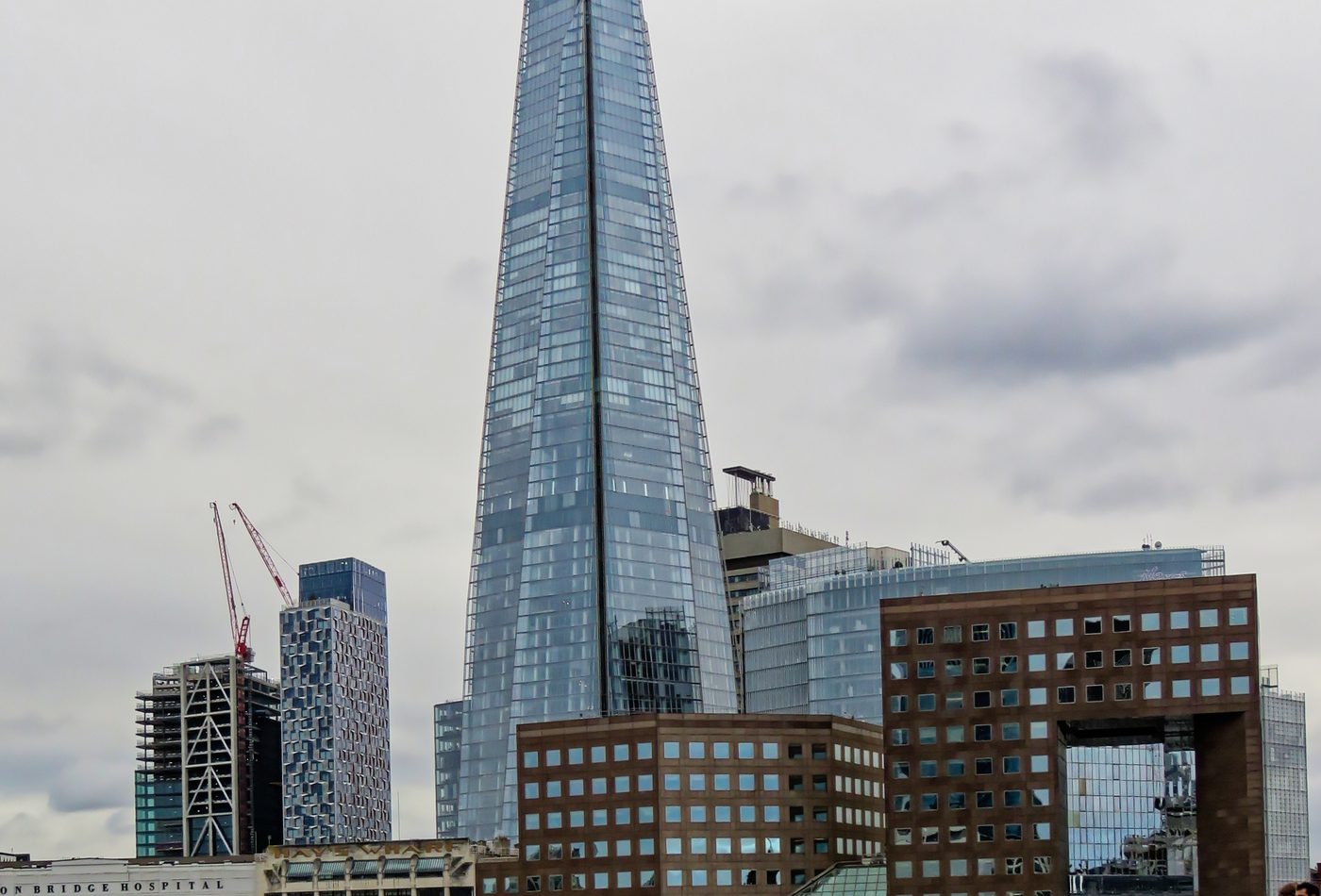
A tapered glass skyscraper that reshaped London's skyline around London Bridge.
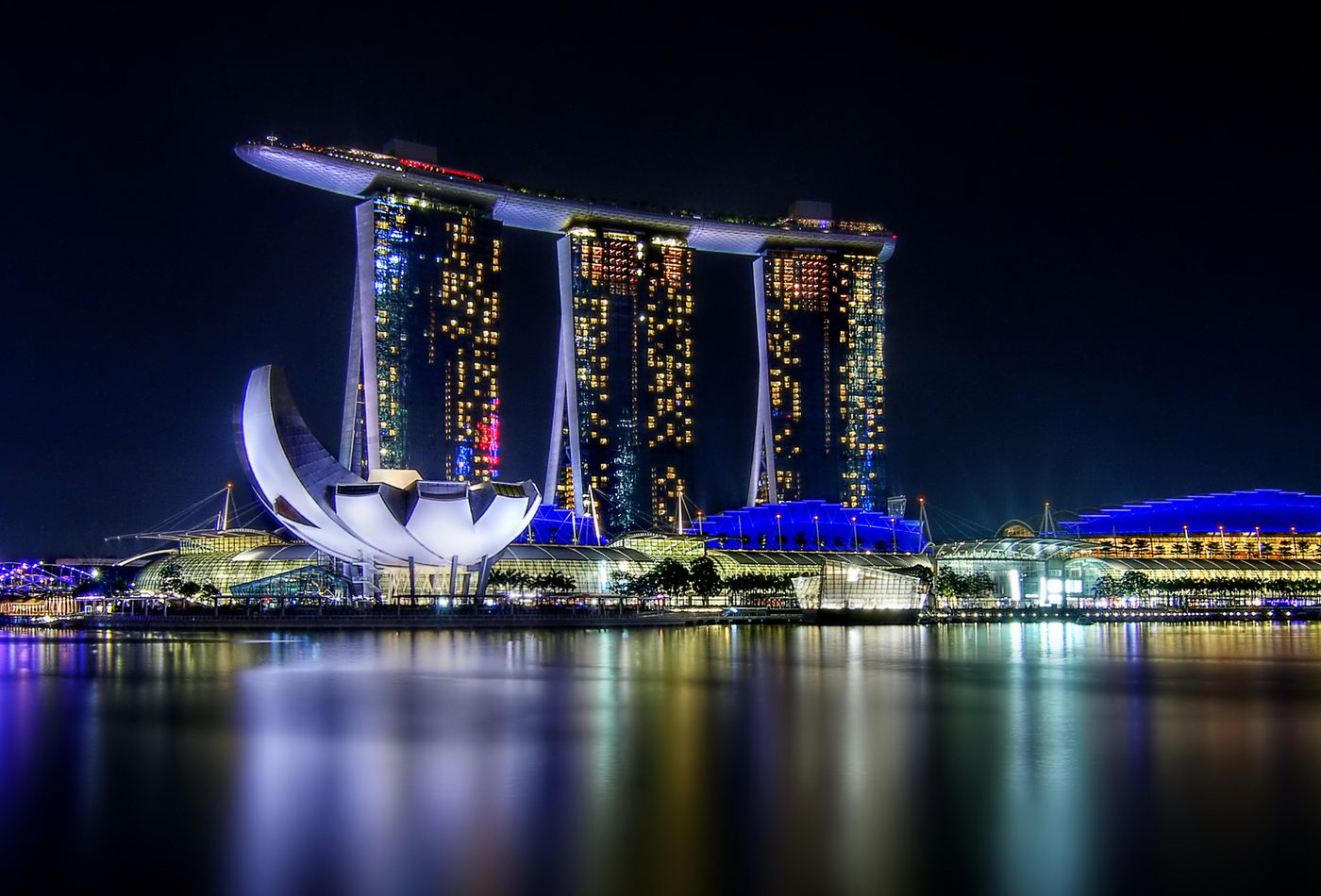
A three-tower integrated resort with a long sky park across the top.
References used for facts, location data, image credits, and architectural context on this page.