style definition
High-Tech Architecture
A late modern style that makes technical systems, structure, services, and industrial materials visibly part of the design.
style guide
High-Tech Architecture guide with definition, visible features, representative buildings, materials, and architecture clues.
style definition
A late modern style that makes technical systems, structure, services, and industrial materials visibly part of the design.
visible features
orientation
A late modern style that makes technical systems, structure, services, and industrial materials visibly part of the design. The High-Tech Architecture page is useful because it turns a broad label into visible tests: how a building meets the ground, how its structure is expressed, how openings repeat, how materials age, and which details carry the strongest public memory.
For High-Tech Architecture, start with exposed systems, steel and glass, industrial color, and visible structure. Then compare representative buildings such as Centre Pompidou, The Shard, Burj Khalifa, Tokyo International Forum, and Lloyd's Building. The goal for High-Tech Architecture is not to force every project into a single category, but to show which features are central, which are local variations, and which belong to a different architectural conversation.
Use High-Tech Architecture as a bridge to city pages, building details, and glossary terms. The linked examples show how High-Tech Architecture changes when the type changes from museum to tower, church, bridge, house, civic building, or cultural venue. That comparison makes High-Tech Architecture more than a definition.
High-Tech Architecture should help with both recognition and discovery. It gives readers vocabulary, examples, and visible tests before sending them to full building pages, so the High-Tech Architecture question becomes a practical route through the atlas rather than a short encyclopedia stub. For High-Tech Architecture, the reader should be able to name one feature, one material clue, and one building where the feature can be checked visually.
High-Tech Architecture needs one visual evidence check before it sends readers onward: give High-Tech Architecture a clear reading path before sending readers deeper into the atlas. On High-Tech Architecture, compare Centre Pompidou, The Shard, Burj Khalifa, Tokyo International Forum, and Lloyd's Building through style cues around High-Tech Architecture and Brutalist Architecture, then confirm dates, coordinates, image credits, materials, and related works on the building pages. A reader should leave High-Tech Architecture knowing one next building and one design clue to test there. If High-Tech Architecture feels too broad, narrow the route through steel, glass, color-coded services, reinforced concrete, concrete, and mirrors before opening a full building guide.
Before leaving High-Tech Architecture, match one concrete question to one visible clue. If High-Tech Architecture is serving place context, open the city or map route; if it is serving vocabulary, open a style or glossary page. If High-Tech Architecture needs evidence through a real project, open Centre Pompidou, The Shard, Burj Khalifa, Tokyo International Forum, and Lloyd's Building and inspect steel, glass, color-coded services, reinforced concrete, concrete, and mirrors against High-Tech Architecture and Brutalist Architecture. The better route from High-Tech Architecture is slower: choose one building, note one material or form decision, then compare it with a second page that confirms the pattern or makes the difference sharper.
related entries
featured buildings
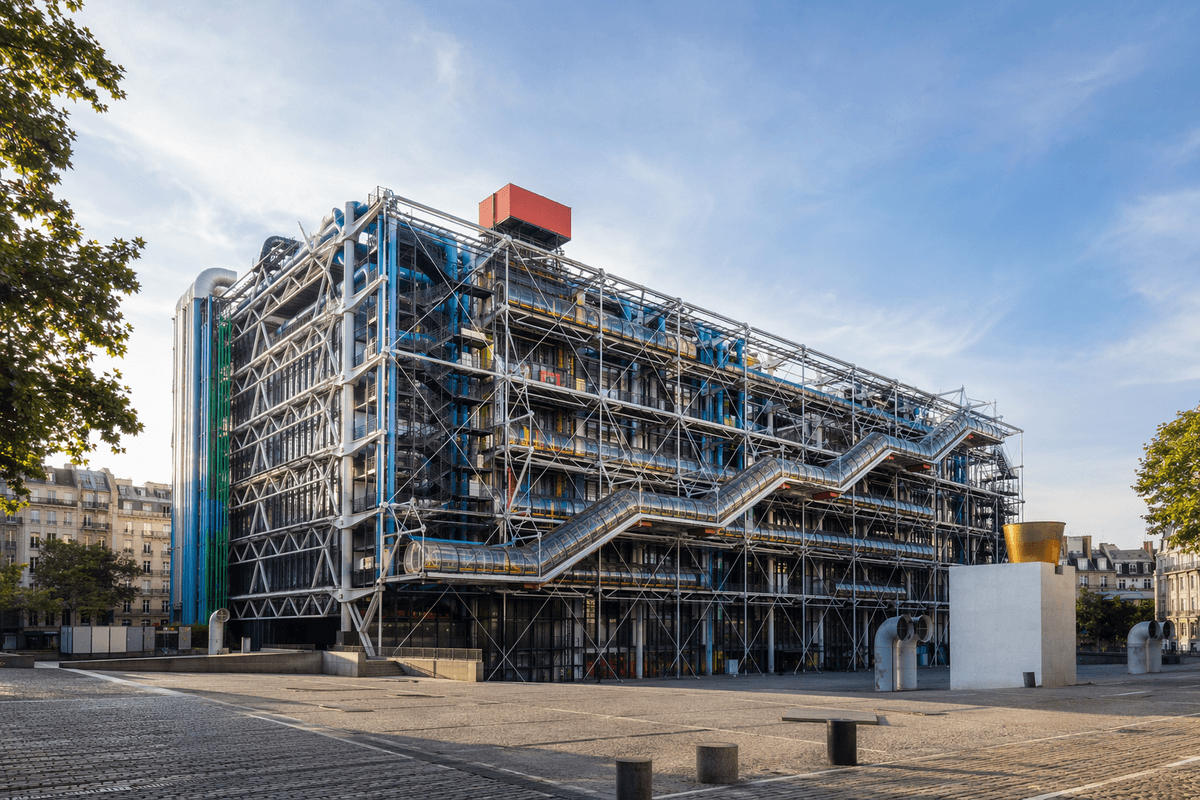
A cultural center famous for putting structure, escalators, and services on the outside.
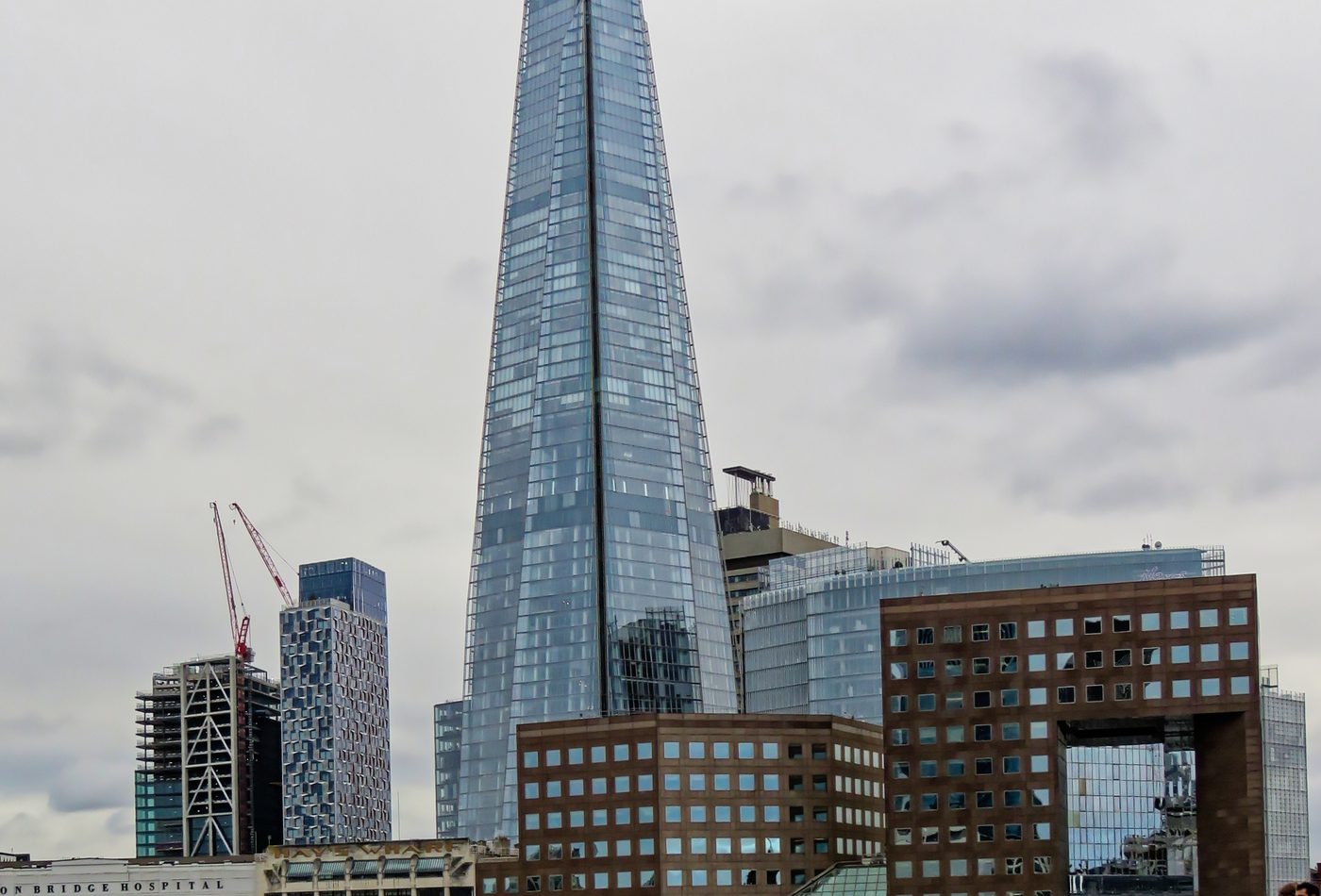
A tapered glass skyscraper that reshaped London's skyline around London Bridge.
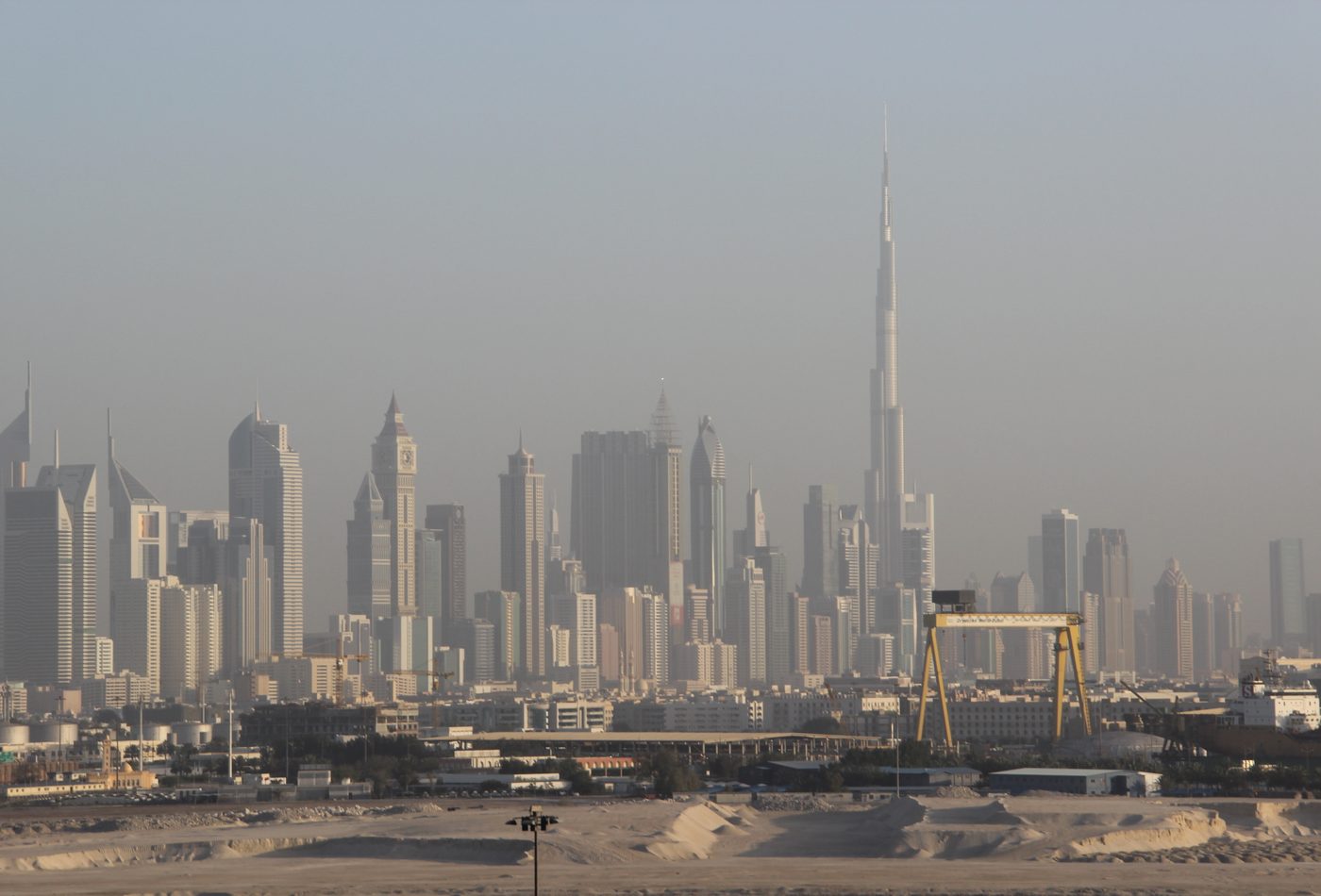
A supertall skyscraper known for its height, tiered form, and Dubai skyline role.
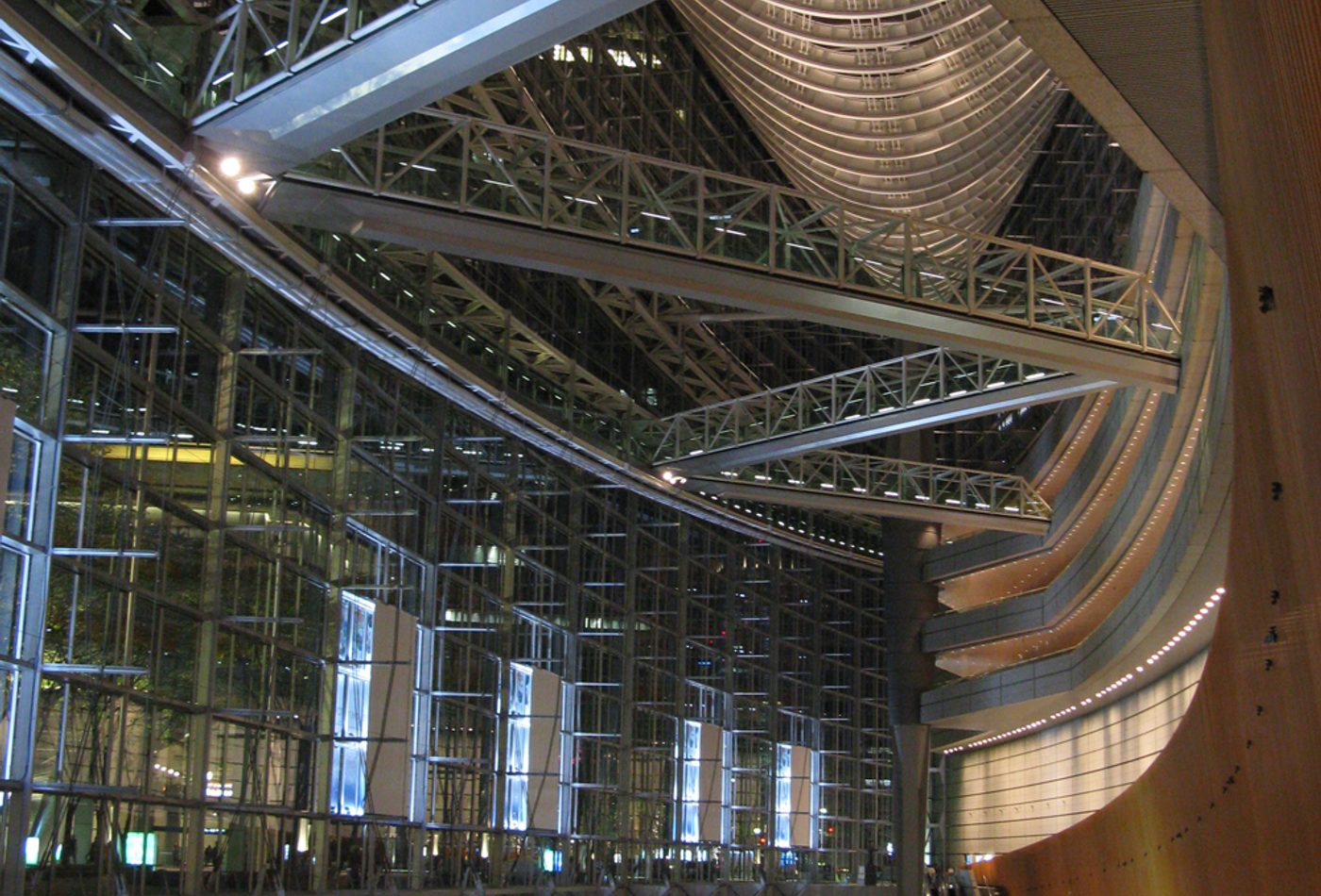
A civic complex known for a vast glass atrium often compared to a ship.
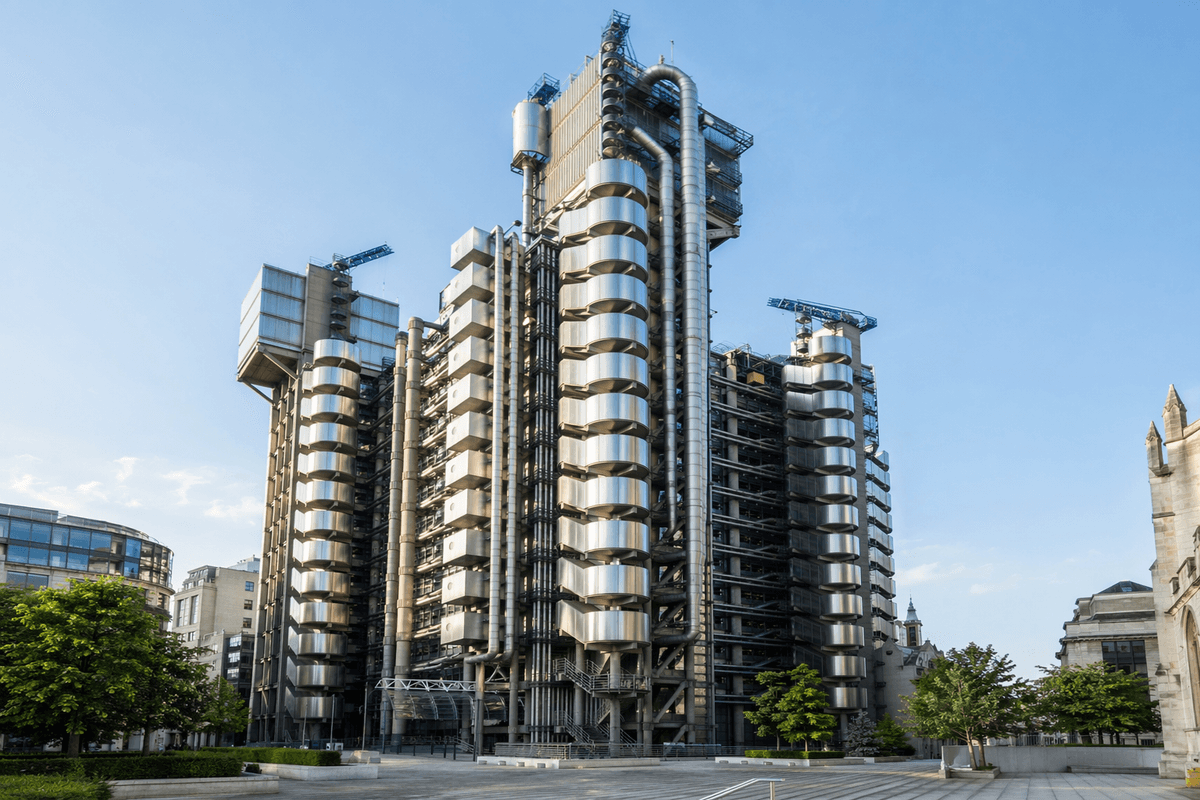
Lloyd's Building is a office building in London, United Kingdom, known for its services, lifts, and ducts moved to the exterior.
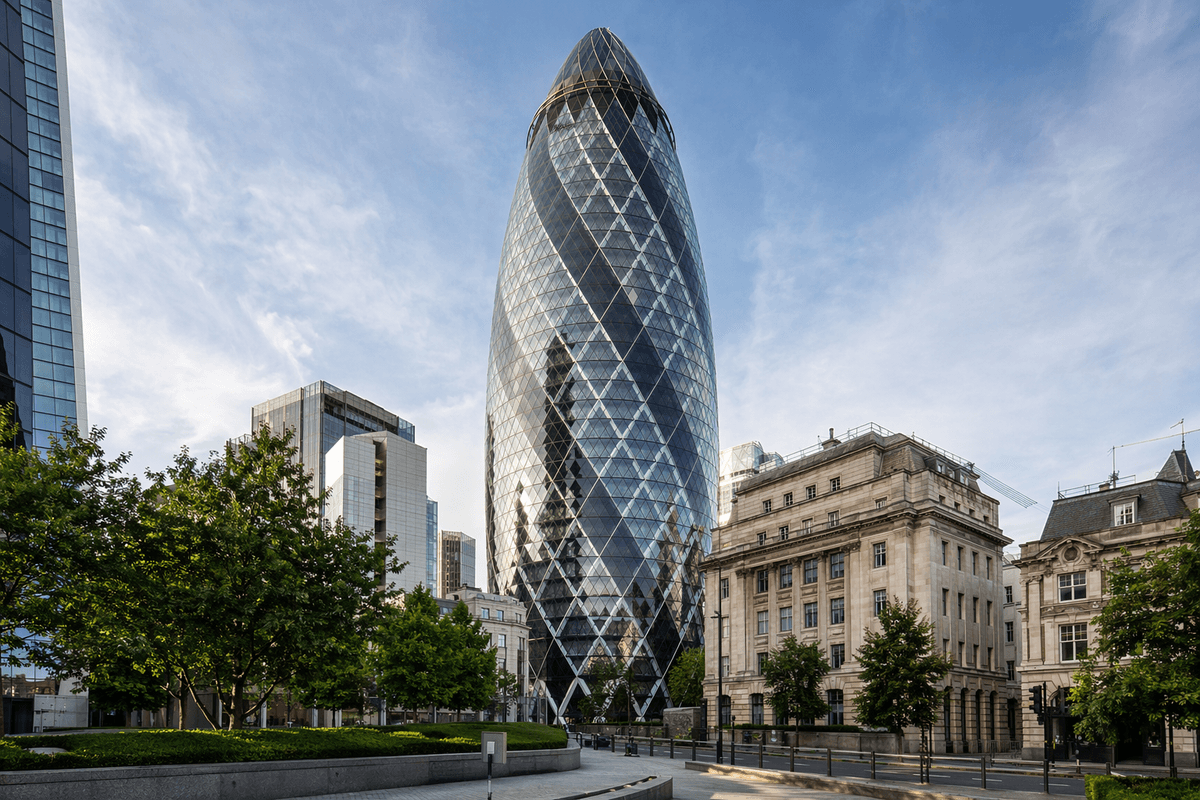
30 St Mary Axe is a office tower in London, United Kingdom, known for its rounded aerodynamic tower form and diamond-patterned skin.
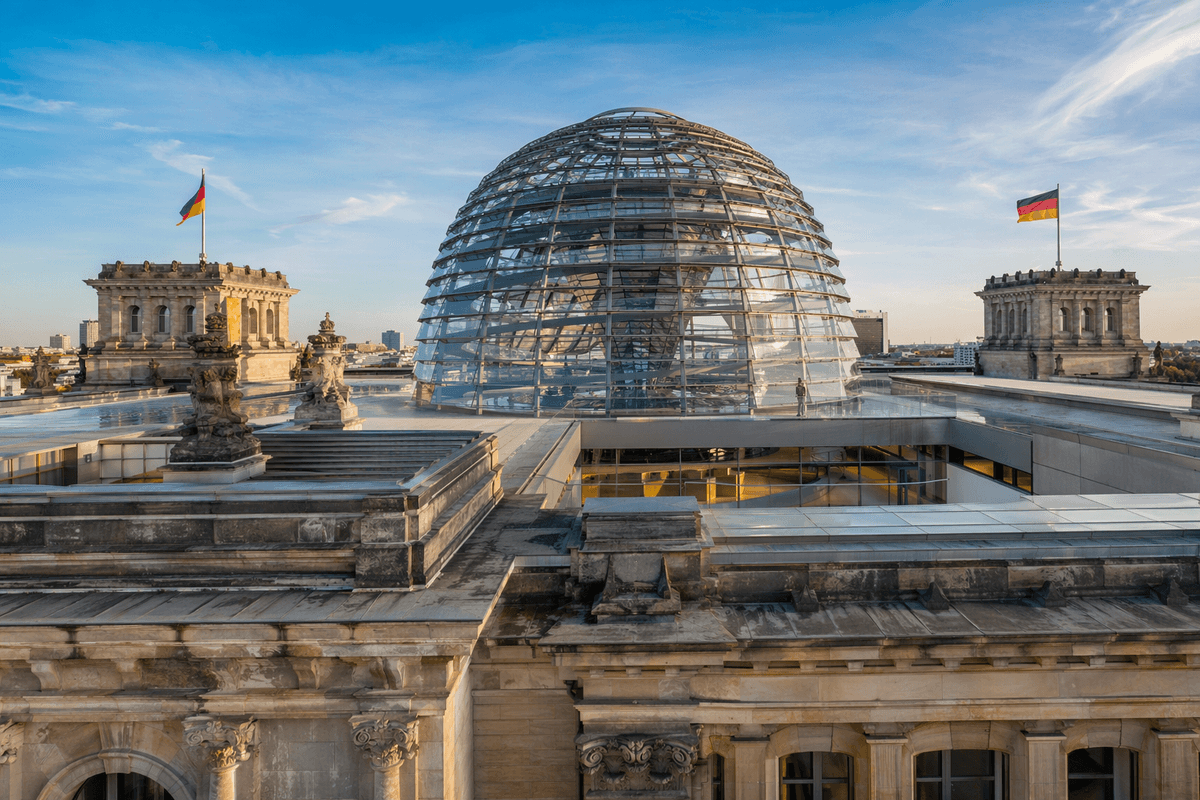
Reichstag Dome is a parliament dome in Berlin, Germany, known for its transparent dome and public spiral ramps above parliament.
References used for facts, location data, image credits, and architectural context on this page.