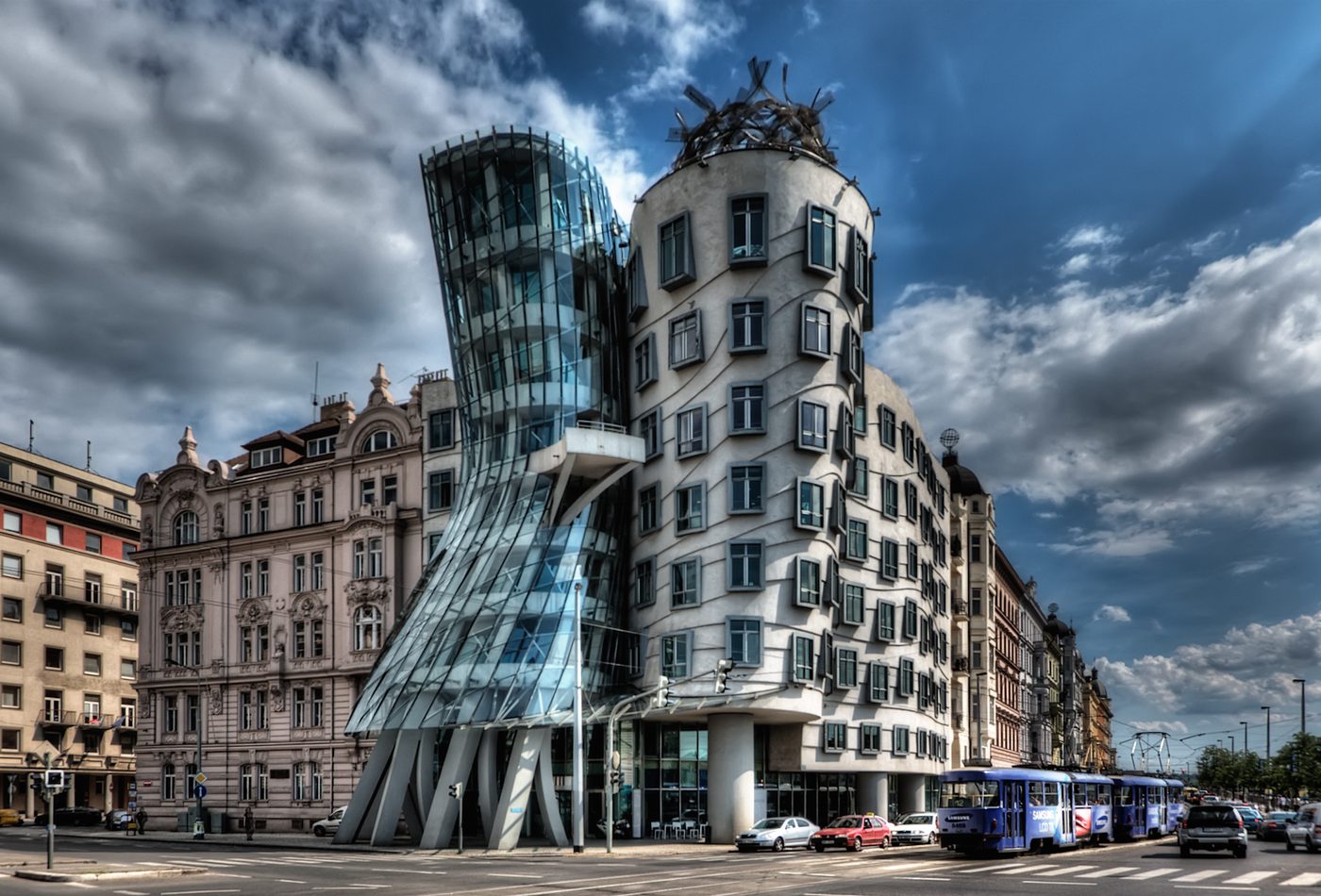
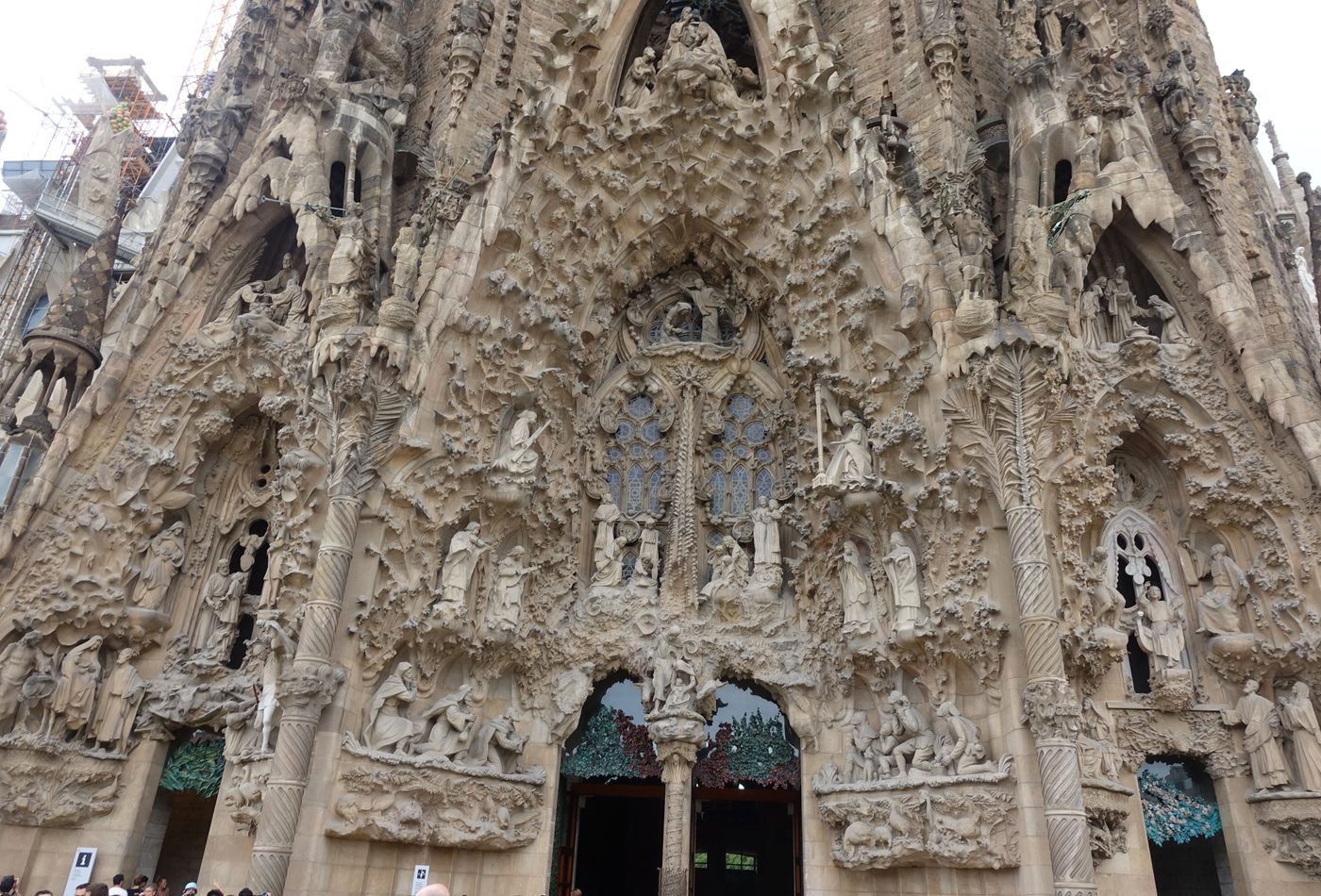
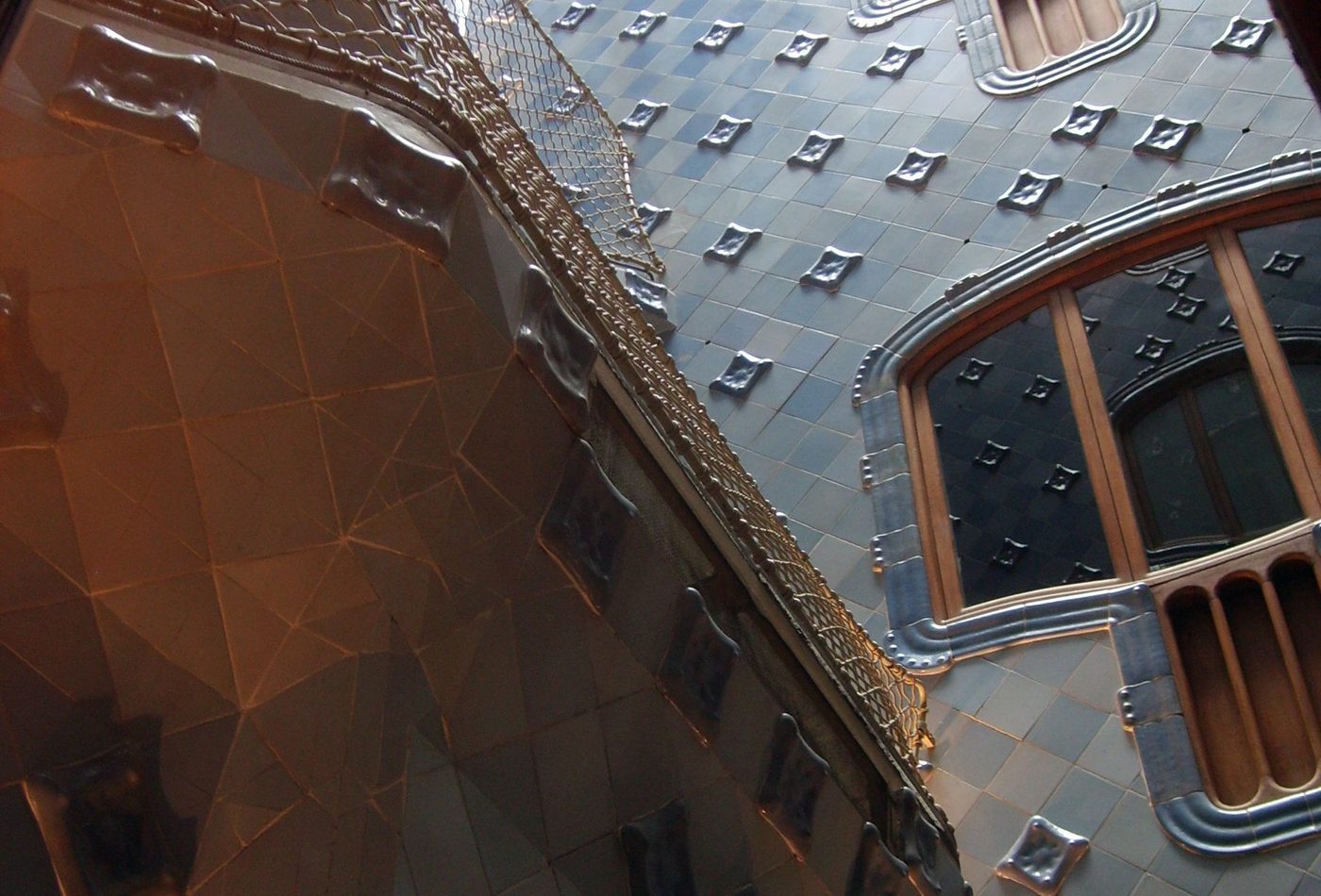
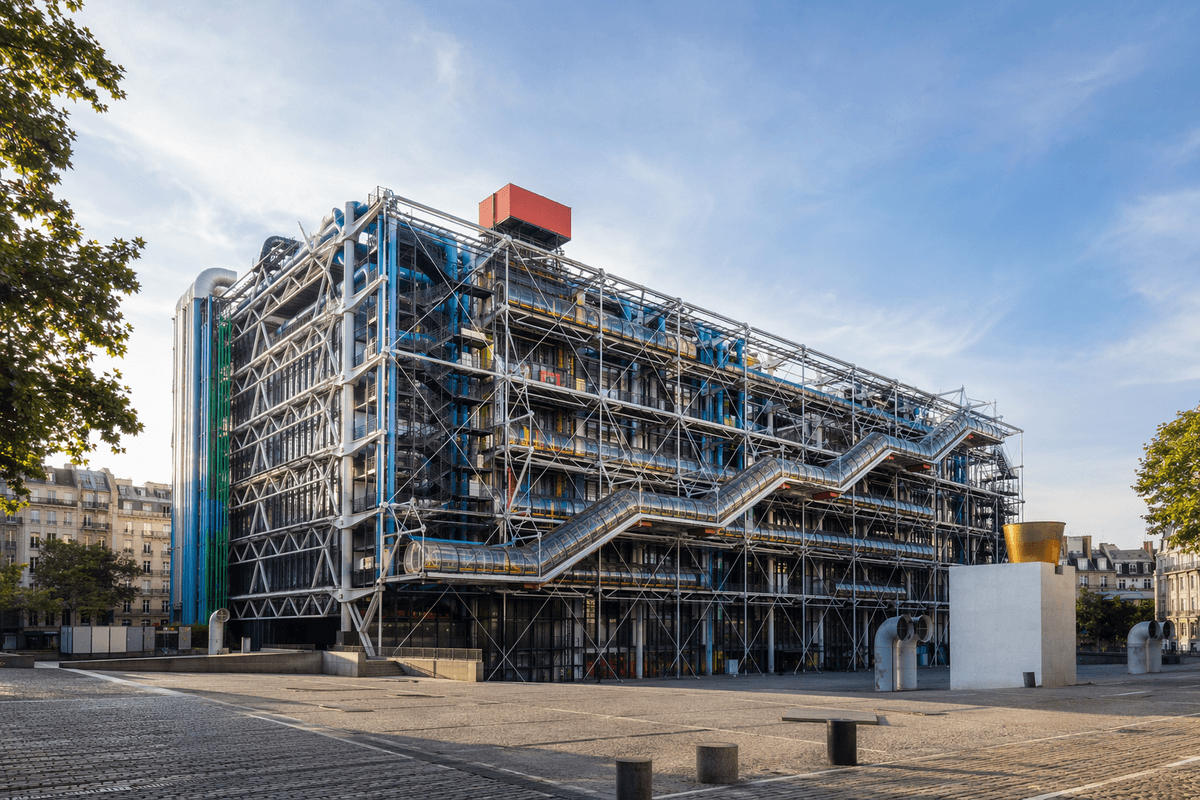
A facade is the outer face of a building; this answers what is a facade in architecture through openings, materials, examples, and visual glossary parts.
What is a facade in architecture? A facade is the outer face of a building that presents the building to a street, square, garden, or approach path. It can be the front elevation, but the useful reading is broader: openings, entrance, materials, structure, shading, ornament, and rhythm all shape how that face works.
Parts to name first
Start with six parts: the wall plane, the main entrance, window openings, solid zones, roofline or parapet, and the materials that make the surface legible. On some buildings the facade is a heavy masonry wall; on others it is a thin skin, a screen, or a layered surface in front of the structure.
Part
What it does
How to recognize it
wall plane
The main vertical face that organizes the building's public side and gives other details their background.
Look for the broad surface that holds openings, ornament, joints, shade, or structural expression together.
entrance
The threshold that tells a visitor where the building expects arrival, ceremony, or everyday movement.
Find the door, portal, canopy, stairs, recessed bay, or framed opening that receives people from the street.
window openings
Openings show interior scale, rhythm, daylight needs, and whether the facade feels solid or porous.
Compare size, spacing, depth, and repetition; a facade often becomes legible through window rhythm.
roofline or parapet
The top edge finishes the facade and can make the building feel flat, crowned, jagged, ceremonial, or technical.
Trace the upper silhouette and ask whether it hides a roof, frames a skyline, or carries ornament.
materials
Material gives the facade weight, color, reflectivity, craft, weathering, and a clue about load or cladding.
Name the dominant surface first, then check whether stone, brick, glass, tile, metal, or concrete changes by zone.
Visual glossary for reading facades
Use this visual glossary as a field checklist. Bay means one repeated vertical unit. Spandrel is the panel or wall area between stacked openings. Mullions divide windows or glass panels. A pilaster reads like a flattened column. A cornice or parapet marks the top edge. Together these details explain why one outer face feels heavy, transparent, ornate, calm, or highly technical.
Find the main face before naming a style.
Mark repeated bays, window rhythm, and the entrance hierarchy.
Separate load-bearing mass from applied skin or screen layers.
Check whether ornament, shade, and materials support the same public reading.
Examples in the atlas
Casa Batllo is a strong facade example because ceramic color, mask-like balconies, irregular openings, and roofline all turn an apartment block into a crafted public face. Florence Cathedral gives a different lesson through polychrome marble and ordered religious frontage. 30 St Mary Axe shows how a tower facade can be read through glass, diagonal structure, and repeated skin units.
Use it when the face behaves as a light exterior envelope attached to another frame.
How facade differs from skin
Facade is the reading term for the building face; skin is often used when the surface feels like a layer wrapped over structure. A facade may carry load, hide load, advertise an entrance, shade rooms, or organize windows. Do not reduce it to decoration. The better question is what the outer face makes visible about use, structure, climate, material, and public image.
Part
What it does
How to recognize it
Facade
A building face read through entrance, openings, materials, rhythm, public image, and sometimes structure.
Ask what the outer face controls: entry, light, shade, status, street rhythm, load, or image.
Curtain wall
A non-load-bearing exterior envelope attached to a separate structural frame.
Look for repeated glass or panel units, mullions, anchors, and a skin that is not carrying floors.
Skin
A looser word for a surface layer, useful only when the surface reads as wrapping or cladding.
Use it carefully when the main clue is surface treatment rather than the full building face.
Best next move
Open Casa Batllo when the question is craft, color, and openings at street scale. Open 30 St Mary Axe when the question is glass skin, repeated units, and structural pattern. Then compare Florence Cathedral or St Peter's Basilica if the goal is to see how older masonry facades use order, threshold, and public ceremony.
Best next page for a ceremonial masonry facade that controls threshold and public arrival.
Search clue to carry forward
The strongest facade clue is the relationship between face and function. Before naming a style, ask what the visible face controls: entry, light, load, shade, status, street rhythm, or image. That keeps a broad facade search tied to concrete architectural value instead of a flat front-view description.