why it matters
Why this building matters
St Peter's Basilica helps readers connect Renaissance and Baroque to visible design decisions: Michelangelo's dome, long nave, approach from the piazza.
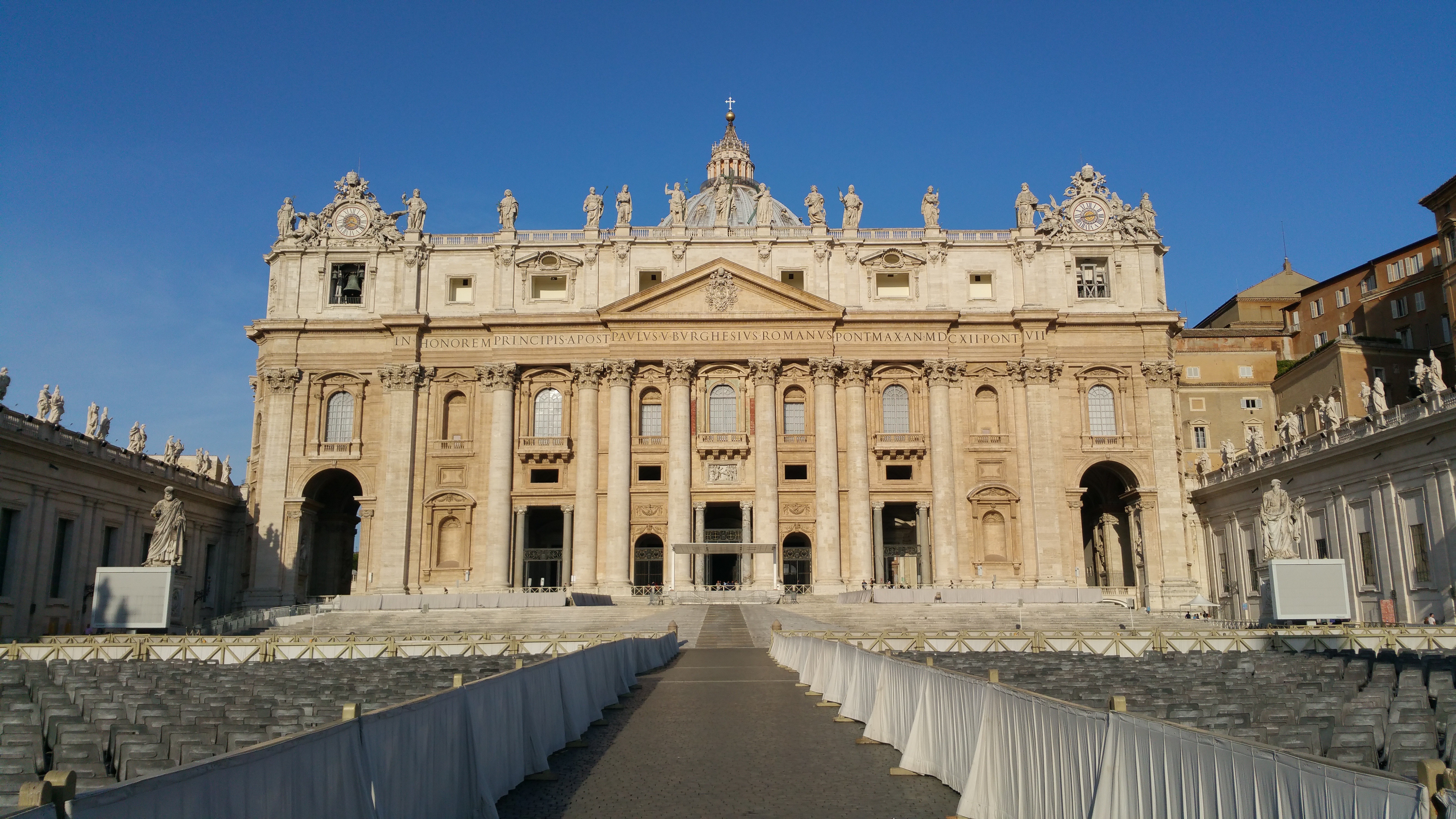
building detail
St Peter's Basilica is a basilica in Vatican City, Vatican City, known for its dome, monumental nave, and ceremonial piazza connection.
Photo credit: Pixy contributor / CC0 / Public Domain.
why it matters
St Peter's Basilica helps readers connect Renaissance and Baroque to visible design decisions: Michelangelo's dome, long nave, approach from the piazza.
what to notice
explore by place and style
map notes
Use the coordinates as anchors for reading the buildings in relation to streets, water, skyline, and nearby landmarks.
41.9022, 12.453943.7731, 11.256048.8049, 2.1204Map coordinates are listed with provider attribution handled through the source records.
architecture guide
A fuller reading of the building's history, setting, form, materials, and public role.
The useful first fact about St Peter's Basilica is that the new basilica began as a replacement, not as a building on an empty site. The foundation stone was laid under Pope Julius II in 1506, and that date should be read as the beginning of a long architectural argument over how the most important papal church in Rome should look, move, and signify. A basic facts page should not flatten the basilica into one author or one year. Its identity comes from a century of decisions made by patrons, architects, builders, and artists working over an earlier sacred memory.
St Peter's is often remembered through Michelangelo's dome or Bernini's piazza, but the building cannot be understood through one name. Bramante, Raphael, Antonio da Sangallo the Younger, Michelangelo, Giacomo della Porta, Domenico Fontana, Carlo Maderno, and Bernini all belong to the public story. That list matters because the visible basilica is a composite. The dome, nave, facade, chapels, crossing, and square answer different architectural moments. Instead of asking for a single author, the reader should ask which part of the sequence each author helped make legible.
The dome is the fact that organizes distant recognition. It rises above the basilica and keeps the crossing visible in the skyline, even though the long nave and broad facade can hide the dome from some close frontal views. This tension is important. From far away, the dome promises a centralized sacred space. From the square, the facade and nave delay that dome. St Peter's therefore teaches a basic architectural lesson: the public image and the walking experience are not identical, and the building gains force from managing the gap between them.
The facade completed under Carlo Maderno is the visitor's first architectural wall. It is wide, ordered, ceremonial, and more horizontal than the dome image might lead a reader to expect. This matters because the facade does not simply decorate the basilica. It controls arrival, frames the balcony and entrances, and turns the church into a public papal front. A viewer who studies only the dome misses the way the facade absorbs the crowd before the interior releases that crowd into a much larger spatial sequence.
Saint Peter's Square should be treated as part of the building's architecture, not as a separate plaza in front of it. Bernini's colonnades make the approach theatrical, directional, and collective. They gather the visitor before the facade and create a transition from the city to the church. The obelisk and open oval help the space stay readable at crowd scale. This is why the most important exterior fact is not only the facade elevation, but the relationship between square, colonnade, axis, and church front.
Inside, the basilica works through scale. The nave, piers, chapels, crossing, dome, altar, and side spaces are all large enough to make ordinary measurement feel unreliable. That scale is not only numerical. It changes how details are read. Marble surfaces, bronze work, sculpture, inscriptions, light, and pavement pattern all operate inside a space that repeatedly expands beyond the body. A good fact page therefore has to connect dimensions to experience: the basilica is famous because scale becomes a ritual instrument, not because it is merely big.
Use the facts as a viewing order. The 1506 foundation explains replacement and ambition. The architect list explains why the building has several design voices. Michelangelo's dome explains the crossing and skyline. Maderno's facade explains arrival and papal image. Bernini's square explains public gathering. The long nave explains procession. Together those facts make St Peter's less generic. It is not only a large church, but a sequence where Renaissance geometry, Baroque theater, papal ceremony, and pilgrimage movement meet.
St Peter's Basilica is weakly described when it is reduced to a dome, a facade, or a famous interior. The design works as a sequence: piazza, facade, nave, crossing, dome, altar, and chapels. Each part changes the visitor's sense of scale and authority. The square gathers the body, the facade declares institution, the nave lengthens movement, and the crossing opens upward. That is the design problem at the center of the building: how to make a huge church legible while moving thousands of people through ceremonial space.
The dome gives St Peter's a centralized image, while the nave creates a longitudinal route. These are not the same design impulse. A pure central plan would draw attention immediately to the crossing; a long basilican plan delays that moment through procession. St Peter's is powerful because it holds both. The visitor moves forward along a long axis, but the building's strongest vertical event waits at the crossing. The result is not a simple compromise. It is a staged drama between direction and center.
Maderno's facade can look like a broad screen in photographs, but on site it is more usefully read as a threshold machine. Its order, balcony, inscription, giant columns, and repeated openings turn public arrival into controlled entry. It also mediates between Bernini's enormous square and the nave inside. That middle role matters. The facade does not need to explain the entire basilica by itself. It has to receive the crowd, hold papal symbolism, and prepare a body for the change of scale beyond the doors.
The piazza is not decorative urban space added after the real architecture. It extends the design outdoors. The colonnades shape lateral enclosure, the oval manages crowd gathering, and the axis connects city approach to church front. Bernini's move is architectural because it gives the basilica a public room before the interior room. Without the square, the facade would be read more abruptly. With the square, the building begins before the threshold and turns arrival itself into part of the design.
Inside the basilica, marble, bronze, gilding, sculpture, pavement, inscriptions, and light can overwhelm a first-time viewer. The design holds that richness through order. Piers, bays, chapels, vaults, and the central crossing keep the eye from dissolving into decoration. This is the difference between accumulation and architecture. St Peter's uses lavish material culture, but the spatial system keeps it readable. The visitor can move from one episode to another without losing the larger route.
The basilica's most useful lesson is controlled magnitude. Everything is large, but size alone would not make the building coherent. The square controls public scale, the facade controls institutional image, the nave controls procession, the crossing controls vertical release, and the dome controls memory. The parts do not all say the same thing. They divide the problem of monumentality into manageable stages. That is why St Peter's is more instructive than a generic statement about grandeur.
Compare St Peter's with Hagia Sophia and St Paul's Cathedral. Hagia Sophia makes mass feel suspended through dome, light, and layered sacred history. St Paul's uses a layered dome to serve both London skyline and interior worship. St Peter's is different because the dome belongs to a much larger papal procession and an outdoor urban theater. Its value is not only the dome as object, but the way dome, nave, facade, and square turn authority into movement.
St Peter's Basilica is not only an architectural history of style. It is an argument over religious authority, memory, patronage, and public image. Replacing the older basilica meant intervening in a site associated with apostolic memory while also making a new Rome visible. That tension explains why the project mattered so intensely. A historical reading should therefore ask what each phase tried to prove: continuity with sacred tradition, renewed papal power, technical ambition, urban control, or ceremonial clarity.
The 1506 foundation under Julius II turned renewal into action. The decision was bold because a replacement basilica had to address both architecture and legitimacy. The project could not simply produce a better building; it had to justify itself against memory, ritual, cost, and scale. This is why the earliest phase matters beyond a date. It set up the central historical problem: how to build something new at a site where continuity was part of the building's claim to importance.
The long list of architects is not trivia. It is the reason St Peter's carries several historical layers in one fabric. Bramante's early ambition, Raphael's revisions, Sangallo's proposals, Michelangelo's powerful simplification, della Porta and Fontana's dome completion, Maderno's nave and facade, and Bernini's square all changed how the project could be understood. The building became a record of changing priorities: centralization, procession, facade image, urban gathering, and papal theater.
Michelangelo's role matters because the dome became the building's most durable public image. He did not finish the entire basilica, but his work at the crossing and dome gave later phases a powerful vertical center to answer. The dome's completion after him by Giacomo della Porta and Domenico Fontana also matters historically because it shows continuity after authorship. The public image is associated with Michelangelo, but the actual construction history depends on collective continuation.
Carlo Maderno's work changed the balance of the basilica. By extending the nave and completing the facade, he made the building more strongly processional and more directly tied to the square-facing public front. This shift is one source of the building's historical complexity. Some readings prefer the clarity of a centralized Renaissance ideal; the built basilica gives visitors a long ceremonial route. Maderno's phase therefore turned a design debate into an experience that every visitor still walks.
Bernini's square gave the basilica a Baroque urban ending, or more accurately a Baroque beginning for the visitor. The colonnades transformed the approach into a public event and helped the church operate at the scale of papal ceremony. This historical phase matters because it moved the project beyond the building envelope. St Peter's became a church, a piazza, a gathering device, and a public image for Catholic Rome at the same time.
A useful history page should make St Peter's harder rather than smoother. The basilica is not the work of one genius, one style, or one construction campaign. It is a long sequence of sacred memory, Renaissance plan debate, dome engineering, facade politics, Baroque urban theater, and ongoing pilgrimage use. Once those layers are visible, the building's importance comes from the fact that different architectural answers remain present in the same public route.
Start with Saint Peter's Square because the basilica begins outdoors. Stand far enough back to read the colonnades, obelisk, facade, and dome together. The square gathers the body before the church does. If you rush straight to the entrance, you miss Bernini's main lesson: the approach is already architecture. The first question should be how the open space turns a crowd into a directed ceremonial audience.
Before entering, study the facade as a filter between public square and sacred interior. Notice its width, giant order, balcony, inscription, door rhythm, and the way it partly masks the dome from close frontal view. That partial masking is not a mistake to ignore. It is part of the experience. The facade controls expectation and keeps the dome from being consumed as a single postcard before the visitor reaches the crossing.
Inside, do not immediately hunt for the dome. Let the nave work. Its length, piers, pavement, chapels, and vaults delay the crossing and make the body aware of scale. The nave is the building's slow instrument. It turns entry into procession and makes the eventual upward release more forceful. A visitor who treats the nave as a corridor misses the design logic that connects facade to altar.
At the crossing, stop and let the scale reset. The dome, piers, altar area, bronze work, light, and surrounding arms change the building from a long route into a centralized event. This is the moment when the basilica's competing design impulses become visible. The long nave has brought you forward, but the crossing asks you to look up and around. Use that shift to understand why the dome is a spatial event, not only an exterior landmark.
The interior can overwhelm because so many surfaces compete for attention. Choose one structural reading before moving into detail. Trace a pier, bay, arch, vault, or dome support, then look at marble, sculpture, inscription, or bronze. This keeps the visit from becoming a list of famous objects. St Peter's is full of art, but the architecture is the system that holds those objects in a legible order.
After the nave and crossing, use one side chapel or side aisle as a scale check. These spaces can feel secondary in comparison with the dome, yet they reveal how the basilica manages repeated movement, smaller devotional focus, and the transition between monument and room. Look for how columns, pavement, wall surfaces, and openings keep the side spaces connected to the larger order. This prevents the visit from becoming only a march from square to altar. The building is also made of lateral pauses where the huge central sequence becomes human again.
After the interior, return to an exterior view if possible. The dome will read differently after you have stood under it or near the crossing. From the square and surrounding approaches, compare what the dome promised from outside with what the interior delivered. That comparison is one of the strongest visiting lessons. St Peter's is not one image; it is an exchange between skyline, square, facade, and interior space.
A useful architecture record should include five views: the square and colonnade, the facade with central approach, the nave axis, the crossing and dome relationship, and one close material or structural detail. Those five images keep the visit from becoming only a facade shot or a dome shot. They preserve the sequence that makes the basilica architecturally specific: gathering, threshold, procession, vertical center, and detail.
continue reading
related buildings
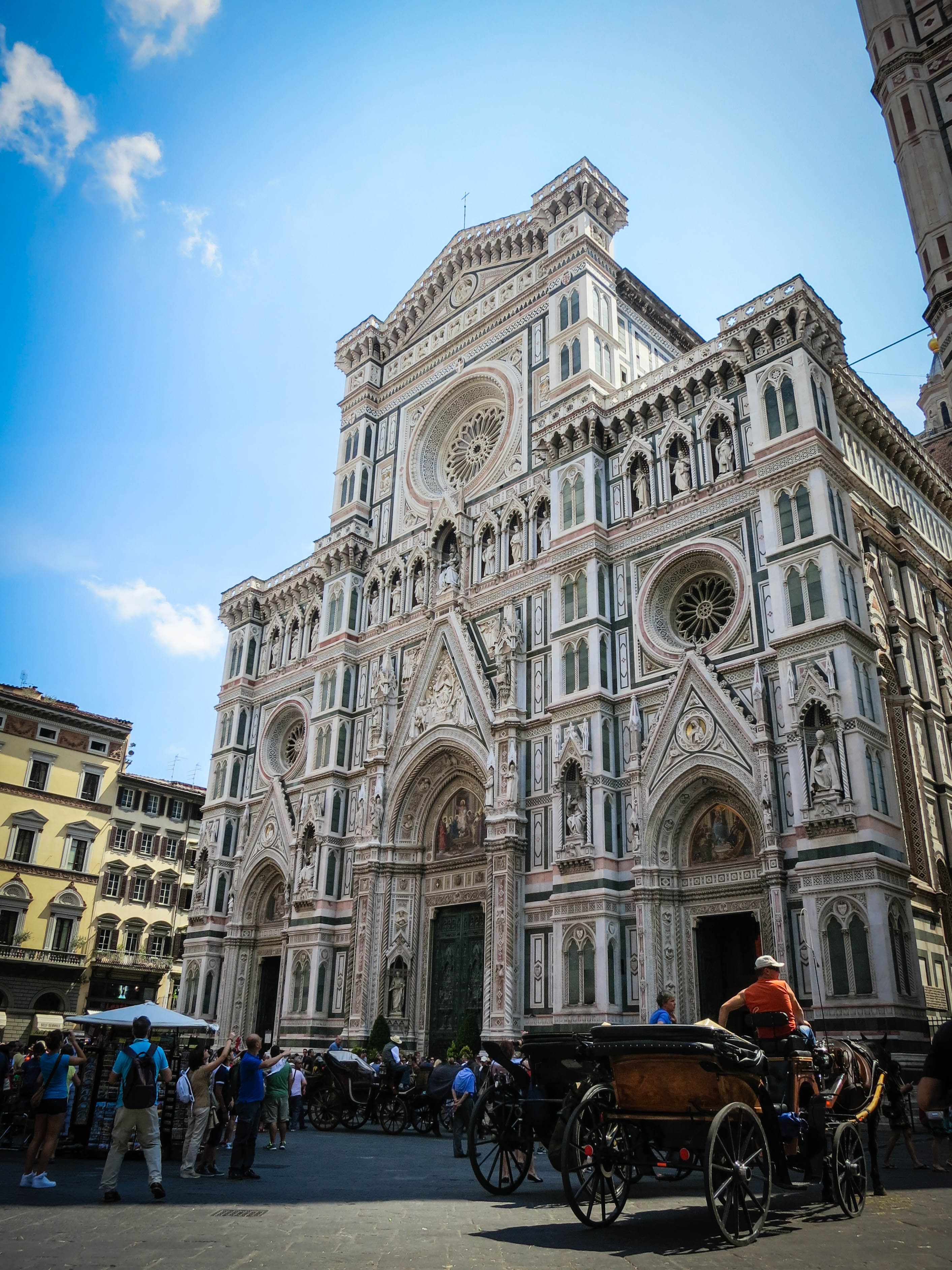
Florence Cathedral is a cathedral in Florence, Italy, known for Brunelleschi's dome rising above a richly patterned cathedral body.
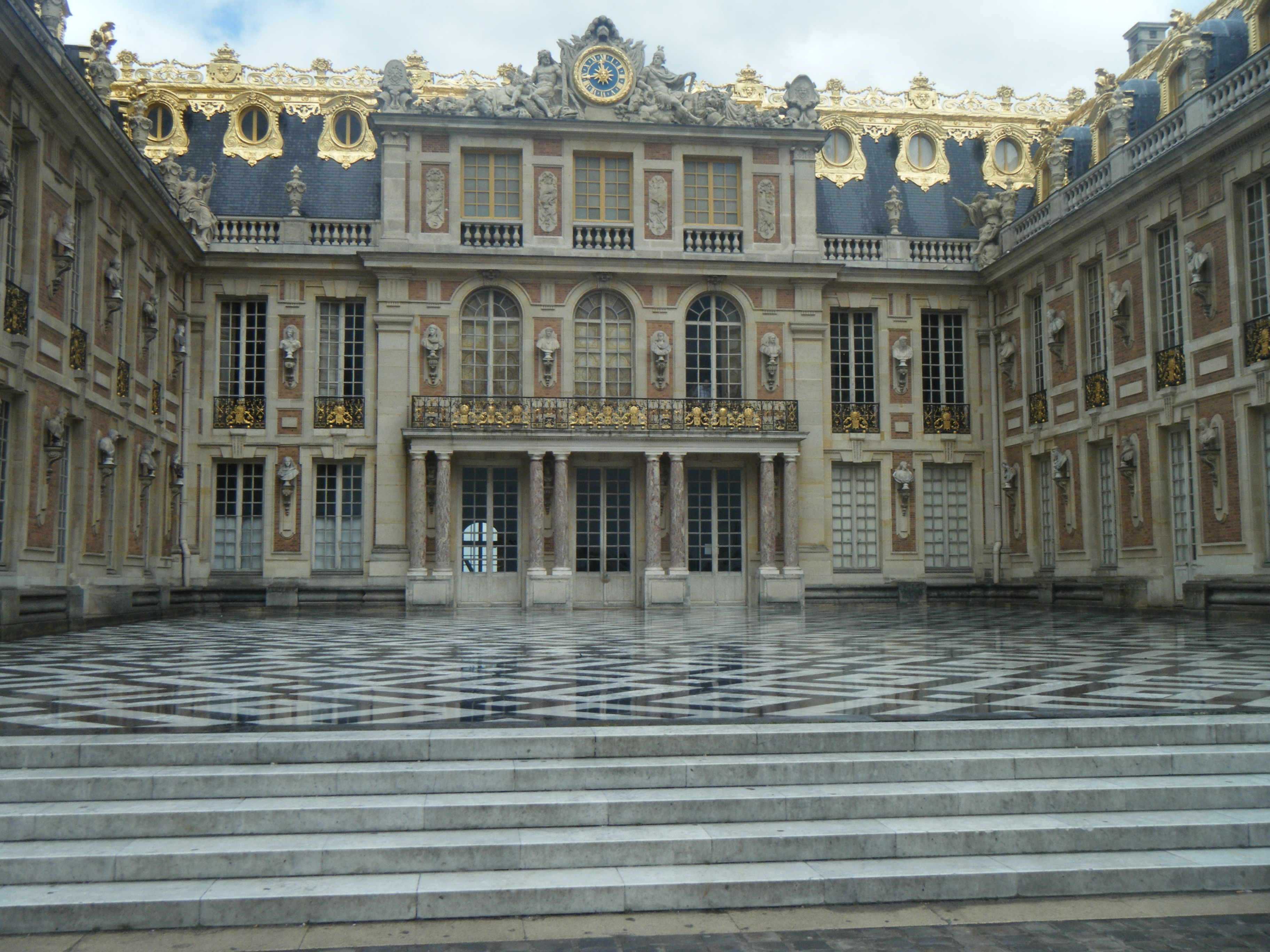
Palace of Versailles is a palace in Versailles, France, known for its axial gardens, ceremonial rooms, and royal scale.
References used for facts, location data, image credits, and architectural context on this page.