why it matters
Why this building matters
Palace of Versailles helps readers connect Baroque and Classical to visible design decisions: garden axis, Hall of Mirrors, symmetrical palace wings.
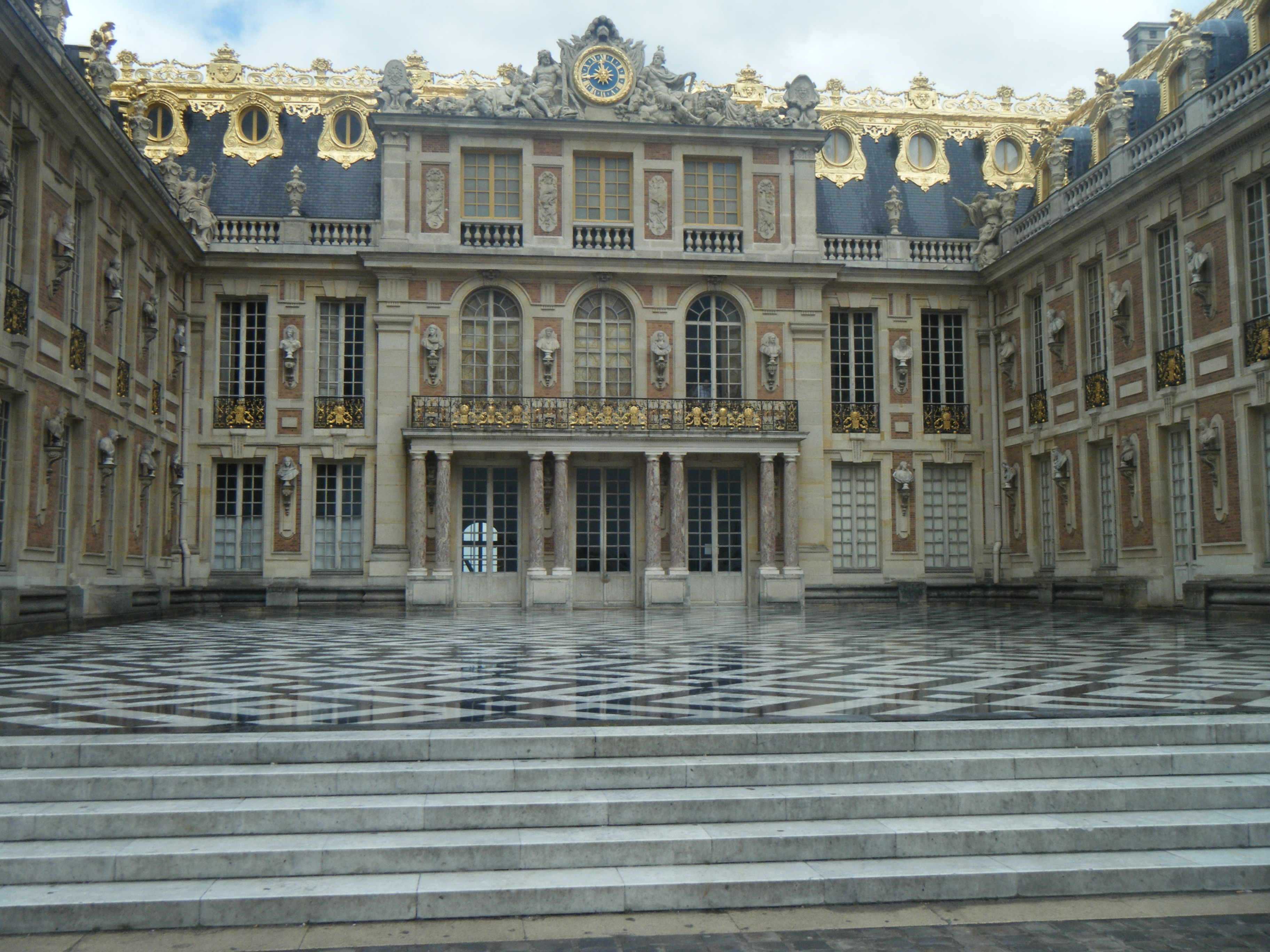
building detail
Palace of Versailles is a palace in Versailles, France, known for its axial gardens, ceremonial rooms, and royal scale.
Photo credit: Dorthea Olson / CC0 / Public Domain.
why it matters
Palace of Versailles helps readers connect Baroque and Classical to visible design decisions: garden axis, Hall of Mirrors, symmetrical palace wings.
what to notice
explore by place and style
map notes
Use the coordinates as anchors for reading the buildings in relation to streets, water, skyline, and nearby landmarks.
48.8049, 2.120441.9022, 12.453937.1761, -3.5881Map coordinates are listed with provider attribution handled through the source records.
architecture guide
A fuller reading of the building's history, setting, form, materials, and public role.
A useful Versailles fact page should begin before the famous state image. The palace grew from Louis XIII's hunting pavilion, then was transformed and extended under Louis XIV into a royal center of government, ceremony, and display. That origin matters because Versailles is not simply a large palace placed in a park. It is an architectural expansion of power from a smaller royal retreat into an estate where rooms, approaches, gardens, and court life were made to reinforce one another.
The date 1682 is essential because Louis XIV installed the court and government at Versailles. That move changes how the building should be read. The palace was not only a residence or backdrop for luxury; it became a spatial system for watching, approaching, waiting, attending, and performing rank. The building's architectural importance comes from this connection between design and administration. A room sequence, a gate, or a garden view is also a political instrument when court life is organized around it.
The official palace guide records 2,300 rooms over 63,154 square meters. Those numbers are not decorative trivia. They explain why Versailles cannot be understood as one facade or one famous interior. The estate works through accumulation: apartments, galleries, chapels, service rooms, courtyards, passages, and museum spaces. The large count also helps readers see why hierarchy is architectural here. A visitor is constantly sorted by threshold, room size, sequence, access, and distance from the most ceremonial spaces.
The Hall of Mirrors is the most famous room because it condenses the palace's logic into one legible space. It replaced an earlier terrace, was designed by Jules Hardouin-Mansart, and was built between 1678 and 1684. Its 73-meter length, 357 mirrors, 17 mirror arches, and 17 windows opposite the garden side are facts that explain experience. The room multiplies light, bodies, garden views, and ceremonial image. It is not only a beautiful gallery; it is an optical machine for royal display.
Versailles should not be split into building first and garden later. Andre Le Notre's gardens were entrusted to him in 1661, and the work continued for about 40 years. The Grande Perspective, Royal Way, fountains, groves, and Grand Canal show architecture projected into landscape. The gardens convert walking, looking, and distance into order. This is why the palace's facts must include the estate outside the walls. The building's authority continues through clipped planting, water, gravel, and long axial views.
In 1837 the palace became the Museum of the History of France. That later role matters because Versailles is now read through several layers at once: royal residence, seat of court, revolutionary memory, museum, national monument, and tourist site. The museum conversion did not erase the earlier court system, but it changed the visitor's relation to it. Rooms that once structured rank and access now teach history through display, preservation, and public circulation.
The basic facts should leave a reader with a sharper route through the estate. Start with the hunting pavilion origin, then the 1682 court move, then the 2,300-room scale, then the Hall of Mirrors, then the gardens and later museum role. Together they explain why Versailles is not just a palace with ornament. It is a coordinated system of residence, government, spectacle, landscape, memory, and controlled movement.
Versailles is weakly described when it is reduced to gilding, mirrors, or royal luxury. The design works by sequencing power. Forecourts establish approach, wings stretch authority horizontally, rooms sort access, and gardens extend order beyond the building. A visitor does not simply enter a palace. The visitor is directed through spaces that make rank, waiting, visibility, and ceremony physical. That is the central design lesson: architecture can turn hierarchy into a route.
The most important design structure at Versailles is not an exposed frame but an axial system. The palace and gardens line up views, rooms, paths, pools, and distant landscape into a controlled perspective. This does not mean everything is simple symmetry. It means that the estate repeatedly asks the visitor to orient the body toward a center, a view, or a ceremonial line. The axis is a way of organizing attention, and attention is the real material of court architecture.
The Hall of Mirrors is a design instrument because it makes outside and inside reinforce each other. Windows face the garden, while mirrors opposite them multiply light and reflection. The long gallery turns walking into display, and the repeated arches make bodies, chandeliers, garden light, and gilded surfaces part of one rhythm. Its design is not only visual richness. It is a controlled exchange between view, reflection, movement, and political image.
The palace contains thousands of rooms, but design meaning comes from hierarchy rather than count alone. Apartments, galleries, salons, service zones, chapels, and passage spaces do not have equal public force. Some spaces draw visitors forward; others filter them; others are remembered because they concentrate ceremony. This hierarchy gives Versailles its particular pressure. A palace room is never only a room. It is also a statement about who can stand there, who can pass through, and what can be seen.
Le Notre's gardens should be read as architectural design at landscape scale. The Grande Perspective, Royal Way, groves, fountains, and Grand Canal extend the same ordering habit beyond the walls. Trees, water, gravel, sculpture, and clipped planting perform like columns, corridors, surfaces, and thresholds. This is why the garden cannot be treated as decoration. It gives the palace a second body, one that organizes distance and lets authority appear to continue toward the horizon.
Stone, marble, glass, mirrors, gilding, water, and planting are not only expensive materials. They make the hierarchy readable. Gilding catches attention at thresholds and rooflines; mirrors multiply light and court image; marble gives ceremonial interiors weight; water anchors long views; clipped vegetation keeps distance under control. The material palette is therefore disciplined rather than random. Richness works because it is attached to route, axis, rank, and view.
Compare Versailles with the Taj Mahal and St Peter's Basilica, but do not compare only size or fame. The Taj Mahal uses a centered tomb, garden axis, marble surface, and river edge to focus memory. St Peter's uses square, facade, nave, crossing, and dome to organize pilgrimage and papal ceremony. Versailles is different because its power is more distributed. The building, gardens, rooms, mirrors, and court routes all participate in a single system of staged authority.
The history of Versailles is a transformation story. Louis XIII's hunting pavilion gave the place an initial royal foothold, but Louis XIV turned that foothold into a court and government center. This matters because the palace's historical force comes from change in use as much as from change in form. A small royal retreat became a vast apparatus for visibility, ranking, diplomacy, and state image. The building's history is therefore visible in expansion, not only in decoration.
When Louis XIV installed the court and government at Versailles in 1682, architecture became part of political management. The court was not merely housed there. It was organized there. Routes, waiting rooms, apartments, gardens, ceremonies, and views helped make power visible and regulated. This is why Versailles remains historically important even for readers who are not focused on monarchy. It shows how a built environment can shape behavior at the scale of a state.
The Hall of Mirrors is famous as architecture, but it is also a historical stage. Its seventeenth-century design created a gallery for court display, and its later use for diplomatic ceremony added another layer. The signing of the Treaty of Versailles on June 28, 1919, made the room part of twentieth-century political memory. That historical afterlife matters. A gallery designed for royal spectacle later carried a very different kind of international symbolism.
The gardens are historical evidence, not only a scenic setting. Le Notre's work from 1661 and the roughly 40-year development of the gardens required large movements of soil, trees brought from across France, water engineering, and sustained labor. The finished perspective can make the estate appear effortless, but that apparent order is the result of enormous work. A historical reading should keep that labor visible because the garden's calm image depends on it.
Versailles cannot be read only as the triumphant image of monarchy. Its later history includes the collapse of the system it staged. The palace became a memory object after the royal court left, and that shift changes the architecture. Rooms that once communicated access, ceremony, and royal presence became evidence of a vanished political order. The same mirrors, galleries, and gardens could then be read with admiration, criticism, nostalgia, or unease.
The creation of the Museum of the History of France in 1837 gave Versailles a new public purpose. That museum role reframed the palace as national memory rather than only royal residence. It also helped preserve and reinterpret rooms, images, and routes for a broader public. This does not make the earlier court system disappear. Instead, visitors now encounter several histories at once: royal control, revolutionary rupture, national display, preservation, and tourism.
A useful history page should make Versailles less smooth, not more polished. The palace is a hunting pavilion transformed into a royal center, a seat of government, a court stage, a landscape campaign, a revolutionary memory, a museum, a diplomatic room, and a World Heritage site. Once those layers are visible, the building's importance no longer depends only on splendor. It depends on how many kinds of power and memory the estate can still hold.
Begin with the approach rather than with the Hall of Mirrors. Watch how gates, courtyards, long wings, roofline, gilding, and paving control expectation before the interior appears. Versailles is designed to make arrival feel staged. That first sequence matters because the palace is not only a collection of beautiful rooms. It is a system that turns distance, threshold, and waiting into architectural experience. A strong visit starts by noticing how the estate receives the body.
The marble courtyard and surrounding fronts are useful because they compress the palace's language into a readable exterior condition. Look for symmetry, repeated windows, sculptural roofline, gilded detail, and the relationship between side wings and central emphasis. Do not photograph only the richest ornament. Step back far enough to see how repetition works. Versailles depends on the difference between local glitter and broad order, and the courtyard lets both be seen together.
Inside the Hall of Mirrors, avoid treating the room as one static photograph. Walk slowly and compare the window side with the mirror side. The 17 windows and 17 mirror arches set up a rhythm, while the 357 mirrors multiply light and bodies. The important question is what the gallery does to movement. It stretches ceremony into a long public display and makes the garden view part of the interior.
Find the moment where the garden axis becomes visible from the palace. The Grande Perspective is not only a view; it is a design argument. It tells the visitor that order continues beyond the rooms into landscape. Use this sightline to connect the Hall of Mirrors, central palace body, Royal Way, fountains, and Grand Canal. The visit becomes sharper when the garden is read as architecture at a larger scale rather than as scenery after the building.
Versailles can overwhelm because surfaces are busy: marble, gilding, mirrors, painted ceilings, sculpture, patterned floors, and framed views. Choose one route question before studying detail. Ask where the room wants you to stand, where it sends your eye, how it controls light, and what it lets you see next. Then look at surface. This order prevents the visit from becoming only ornament hunting and keeps the architecture of control visible.
The gardens need time because their design is based on distance, repetition, and controlled surprise. Walk part of the axis, then turn into a side path or grove if access and conditions allow. Compare open perspective with enclosed garden rooms. Look for how water, clipped planting, sculpture, gravel, and sightlines manage pace. The estate becomes more legible when the visitor feels the difference between formal view and lateral pause.
Before leaving, compare Versailles with another building in the atlas. The Taj Mahal also uses an axis, water, and controlled approach, but it concentrates memory around a mausoleum. St Peter's Basilica also stages public authority, but it does so through square, facade, nave, and dome. Versailles is distinctive because palace, interior, garden, and court memory work as one distributed system. A good visit should leave that difference clear.
A useful architecture record should include five views: the court approach, one facade or roofline detail, the Hall of Mirrors rhythm, the central garden axis, and one garden detail such as water, path, planting, or sculpture. These five images preserve the main evidence: arrival, order, reflection, landscape projection, and close material control. They also protect the visit from becoming only a mirror-room photograph.
continue reading
related buildings
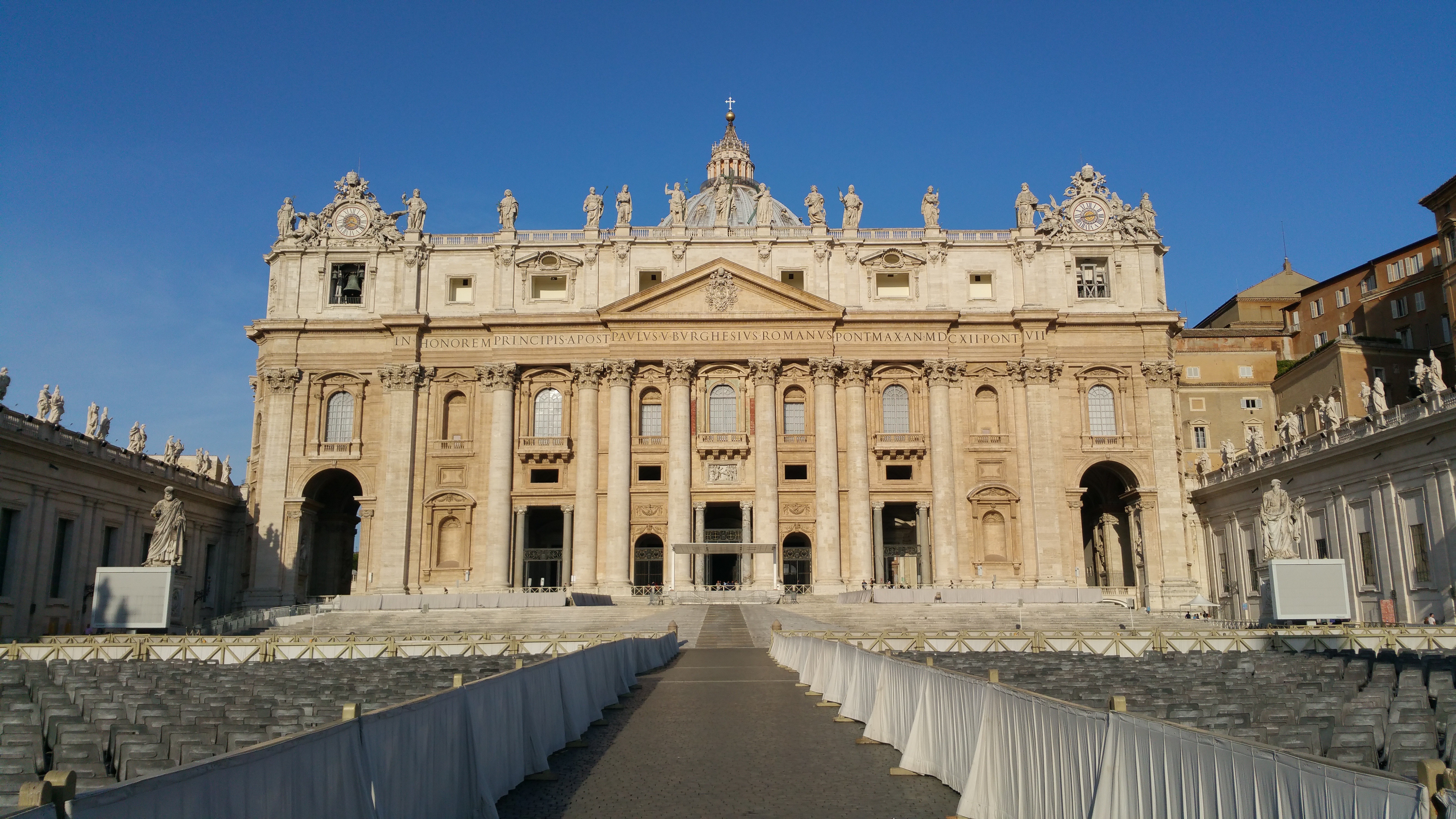
St Peter's Basilica is a basilica in Vatican City, Vatican City, known for its dome, monumental nave, and ceremonial piazza connection.
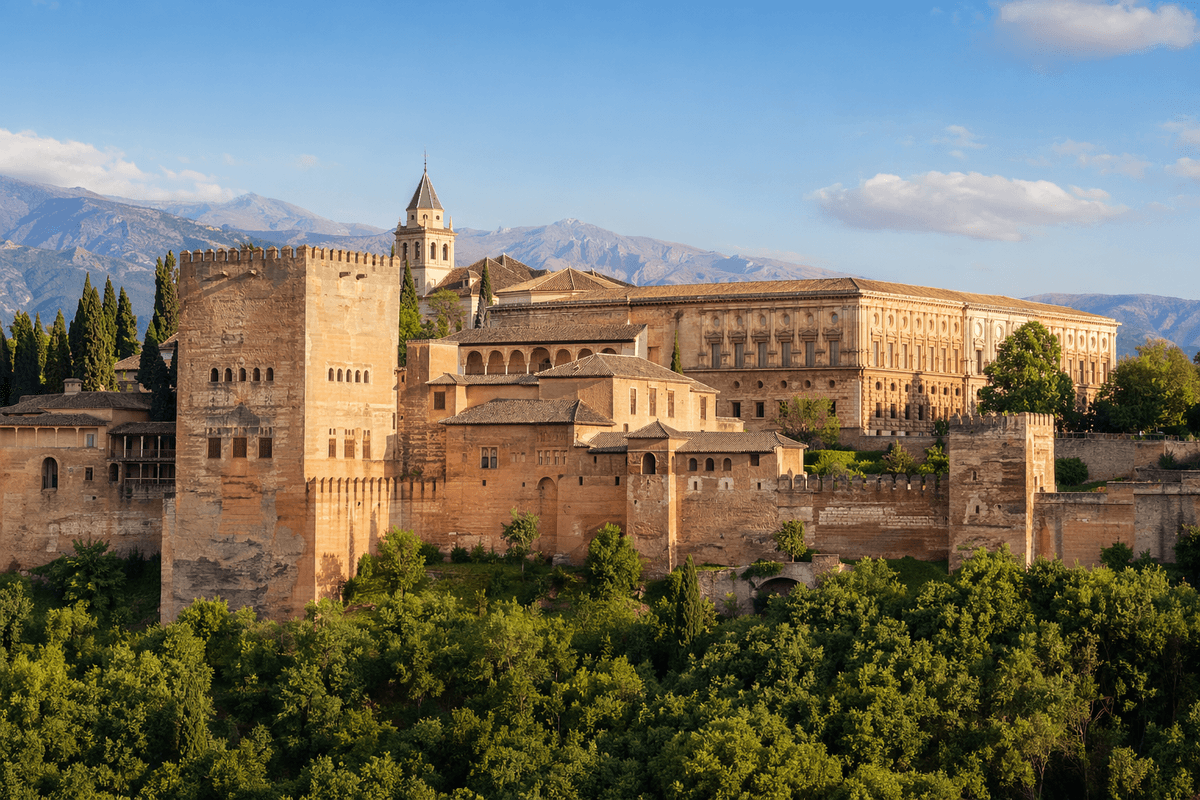
Alhambra is a palace fortress in Granada, Spain, known for its courtyards, carved surfaces, water channels, and hilltop setting.
References used for facts, location data, image credits, and architectural context on this page.