guide
The Shard History in London's High-Rise Debate
A recent landmark in an old city
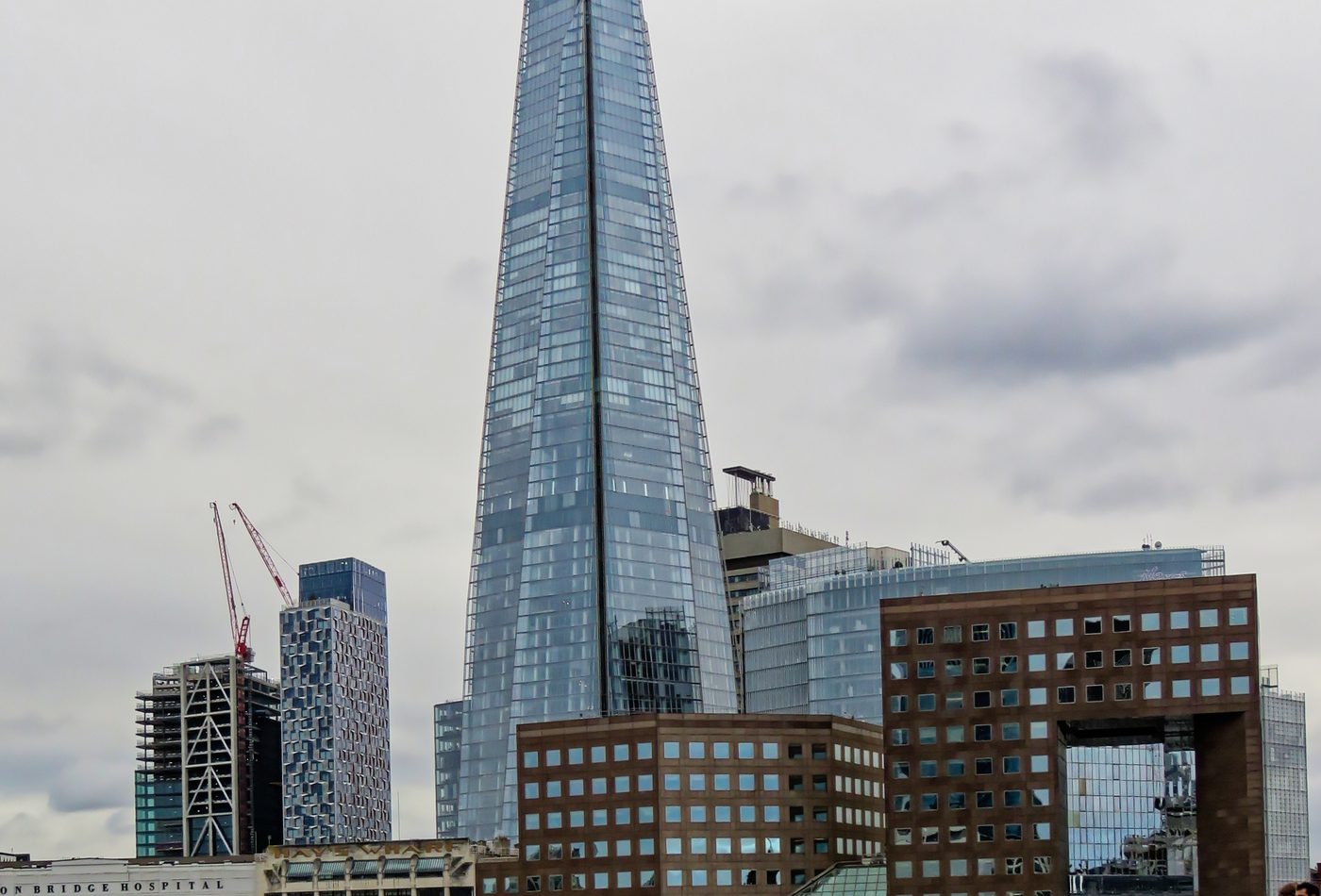
The Shard matters historically because it is a recent tower inserted into a city whose architectural memory is much older than the project. London is not a blank high-rise field. It is a layered city of churches, bridges, stations, markets, government buildings, industrial remnants, and financial towers. In that context, a 2012 glass skyscraper becomes more than a commercial development. It becomes evidence of how London chooses to absorb height.
London Bridge is part of the history
The site changes the historical reading. London Bridge is a crossing point, transport district, and long-running threshold between the City, Southwark, river, rail, and markets. Building upward here gives the tower a public intensity it would not have on an isolated business park site. The Shard enters history partly because so many people encounter it indirectly: passing through the station, crossing the bridge, or seeing it from the river.
The skyline debate did not begin with this tower
London has argued for decades about how tall buildings should relate to historic views and civic identity. The Shard inherits that debate and makes it more visible. Its sharp profile can clarify orientation, but it can also dominate views that once relied on church domes, river edges, and lower rooflines. The historical question is therefore not whether the tower is simply good or bad. It is what kind of city image London was willing to make public.
A symbol of mixed-use vertical development
The Shard also records a development pattern: vertical mixed use near major transport. Offices, hotel, restaurants, and viewing spaces are stacked into one tower so that economic value, tourism, and metropolitan visibility reinforce each other. That historical pattern is important because many contemporary cities now use towers as both real-estate engines and identity devices. The Shard is one of London's clearest examples.
Renzo Piano's role
Renzo Piano's authorship matters because the tower is not only a developer object. Its profile, facets, crown, and public image are architectural decisions, not merely zoning outcomes. Piano's wider work often pays attention to lightness, material legibility, and civic setting. At The Shard, those concerns are compressed into a high-rise form that has to be commercially efficient while still making a memorable public figure.
Legacy so far
The building's legacy is still being formed, but its effect is already clear. It changed how the London skyline is recognized in photographs, tourist views, and everyday orientation. It also helped normalize the idea that contemporary London could be represented by tall glass markers as well as by historic domes, bridges, and stone institutions. That normalization remains open to debate.
Historical reading check
A useful history page should make the tower look less like an isolated object. The Shard should be seen as a product of station redevelopment, skyline politics, global capital, tourism, design authorship, and London's uneven relationship with height. If those forces stay visible, the building becomes a sharper historical document than a simple tall-building fact sheet.