city overview
London architecture
London layers churches, museums, stations, civic icons, industrial reuse, and recent towers into one visible timeline.
city guide
Browse famous buildings in London, including styles, eras, routes, map context, and design notes.
city overview
London layers churches, museums, stations, civic icons, industrial reuse, and recent towers into one visible timeline.
route notes
City pages keep the main buildings, route ideas, and visual clues readable before any map interaction.
orientation
London should be read through buildings, public space, and movement rather than through a single postcard landmark. London layers churches, museums, stations, civic icons, industrial reuse, and recent towers into one visible timeline. The atlas page keeps that reading practical by linking the city to The Shard, Palace of Westminster, St Paul's Cathedral, Tower Bridge, and Lloyd's Building and by keeping place context readable before any map interaction.
London connects buildings through High-Tech Architecture, Gothic Architecture, Historicist Architecture, Baroque Architecture, and Structural Expression and materials such as glass, steel, limestone, iron, Portland stone, and timber. In London, those clues help readers compare skyline markers, civic monuments, cultural buildings, bridges, or religious sites without flattening the city into one tourism list.
From the London page, open a building detail first, then continue into companion guides when you need facts, design analysis, history, visiting notes, or style context. That route gives London a clear learning path: begin with location and visual identity, continue into form and structure, then compare another city only when a shared material, style, or public role appears.
London is treated as an architecture setting, not just a travel shortcut. The London page connects a place name with visible materials, related buildings, and design clues that can be checked from one landmark to the next. That makes London useful for comparing architecture even when a reader only opens one or two buildings.
Famous Buildings in London needs one visual evidence check before it sends readers onward: give Famous Buildings in London a clear reading path before sending readers deeper into the atlas. On Famous Buildings in London, compare The Shard, Palace of Westminster, St Paul's Cathedral, Tower Bridge, and Lloyd's Building through style cues around High-Tech Architecture, Gothic Architecture, Historicist Architecture, Baroque Architecture, and Structural Expression, then confirm dates, coordinates, image credits, materials, and related works on the building pages. A reader should leave Famous Buildings in London knowing one next building and one design clue to test there. If Famous Buildings in London feels too broad, narrow the route through glass, steel, limestone, iron, Portland stone, and timber before opening a full building guide.
Before leaving Famous Buildings in London, match one concrete question to one visible clue. If Famous Buildings in London is serving place context, open the city or map route; if it is serving vocabulary, open a style or glossary page. If Famous Buildings in London needs evidence through a real project, open The Shard, Palace of Westminster, St Paul's Cathedral, Tower Bridge, and Lloyd's Building and inspect glass, steel, limestone, iron, Portland stone, and timber against High-Tech Architecture, Gothic Architecture, Historicist Architecture, Baroque Architecture, and Structural Expression. The better route from Famous Buildings in London is slower: choose one building, note one material or form decision, then compare it with a second page that confirms the pattern or makes the difference sharper.
related entries
featured buildings
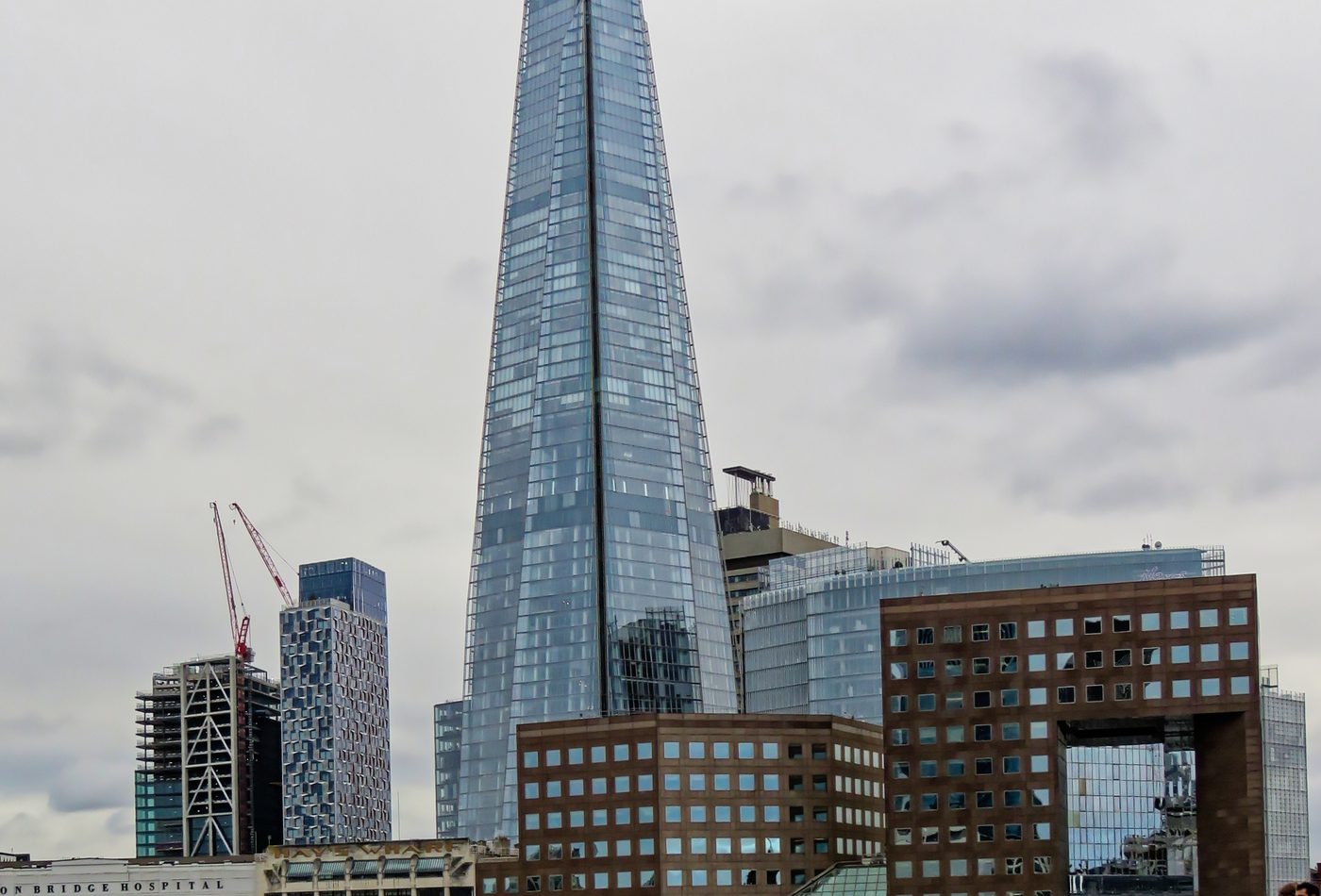
A tapered glass skyscraper that reshaped London's skyline around London Bridge.
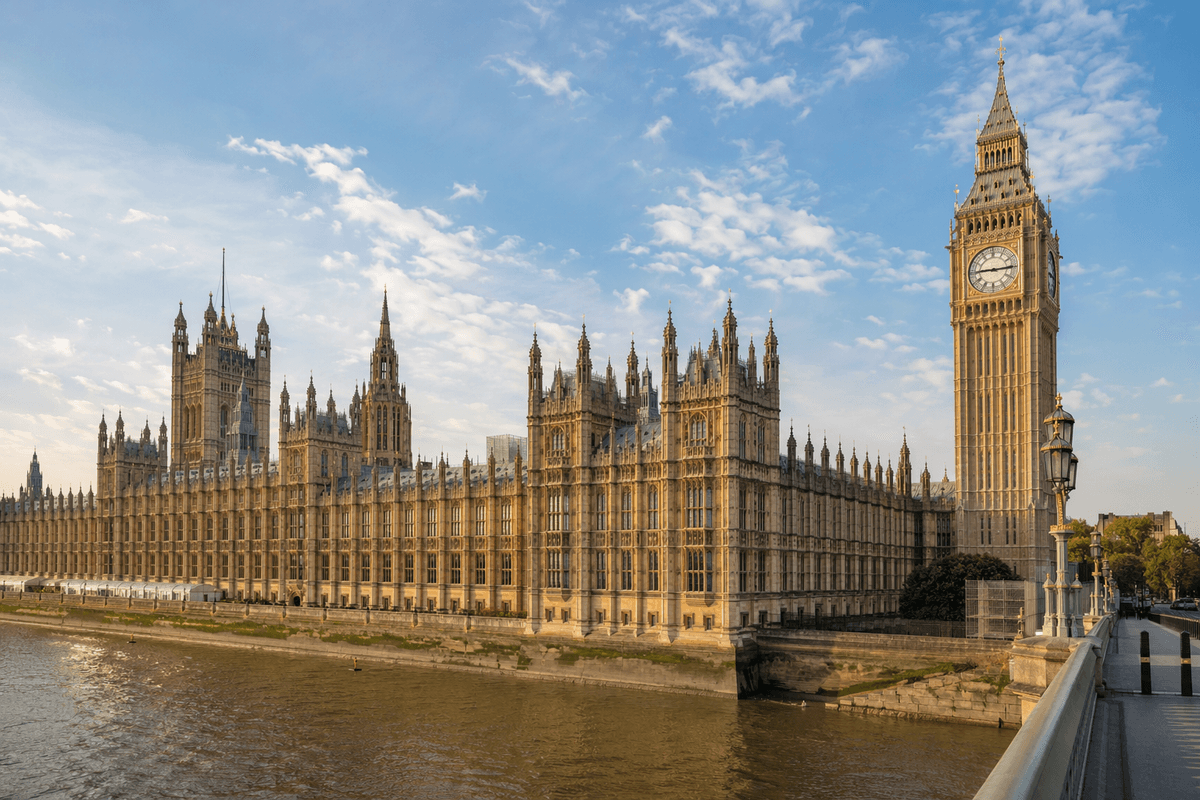
Palace of Westminster is a parliament building in London, United Kingdom, known for its Gothic Revival riverfront and clock tower composition.
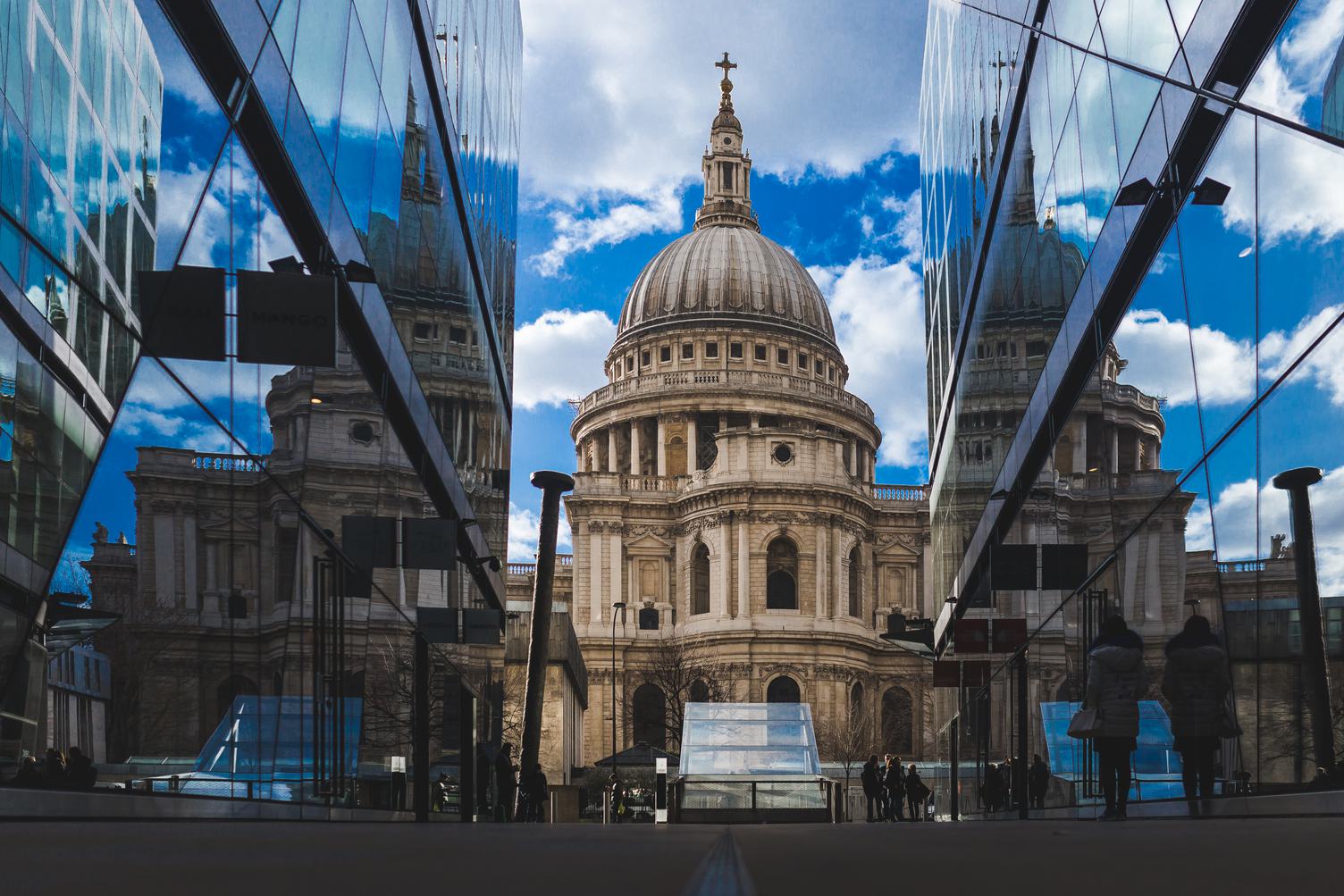
St Paul's Cathedral is a cathedral in London, United Kingdom, known for its great dome and baroque presence in the City of London.
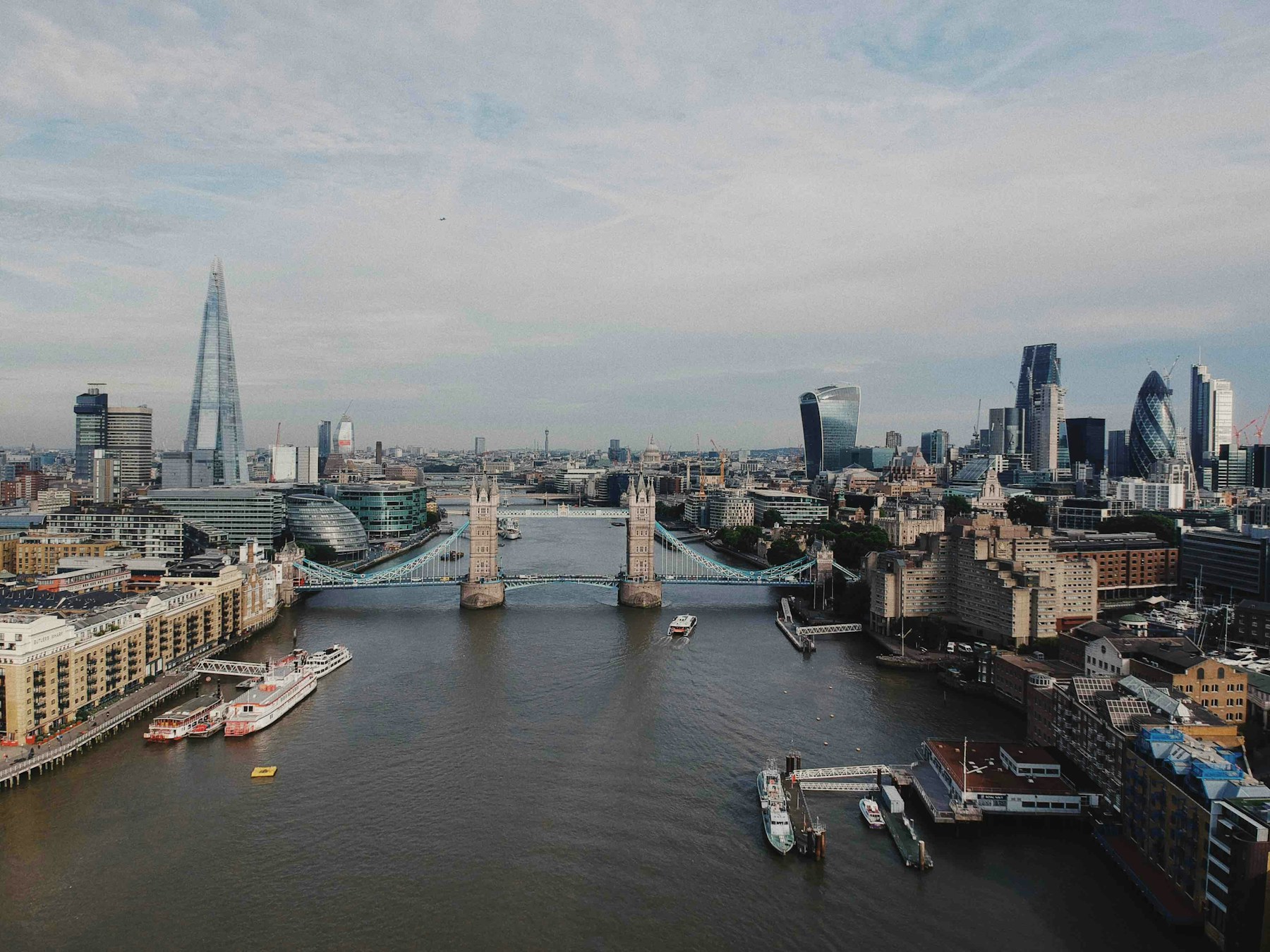
Tower Bridge is a bascule bridge in London, United Kingdom, known for its movable spans and stone-clad towers.
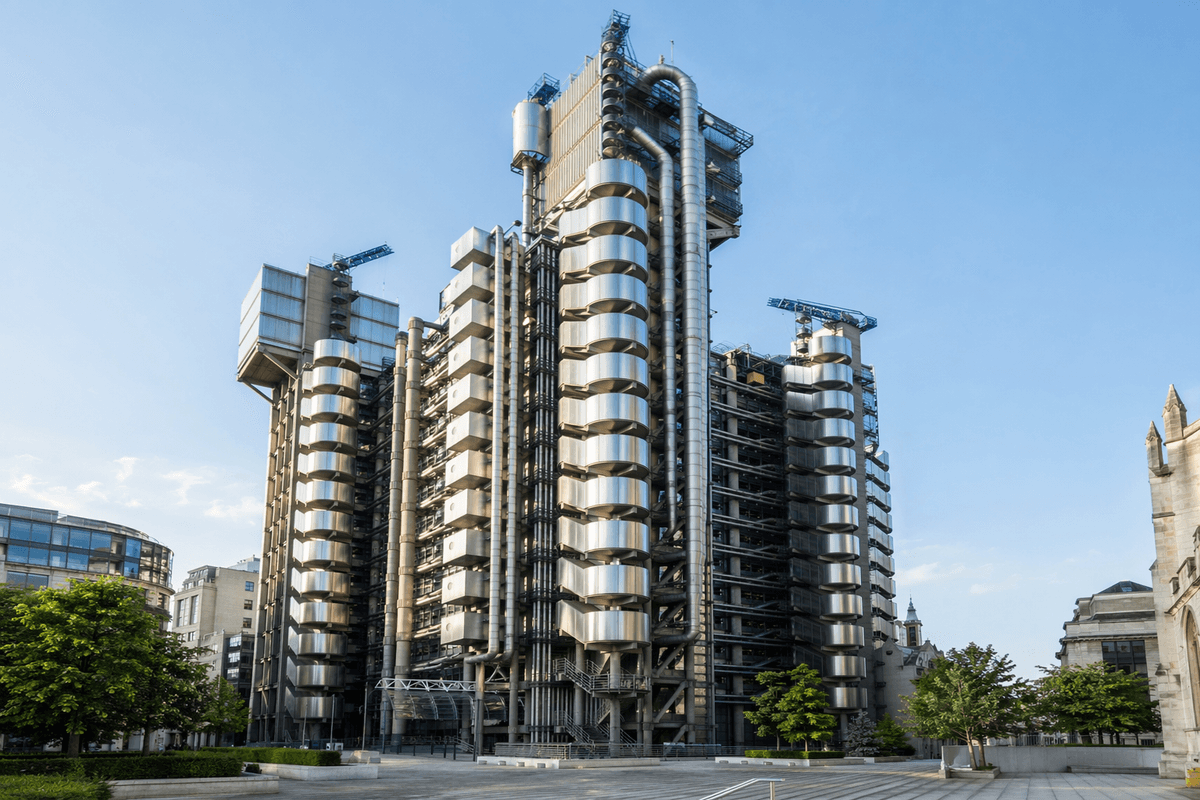
Lloyd's Building is a office building in London, United Kingdom, known for its services, lifts, and ducts moved to the exterior.
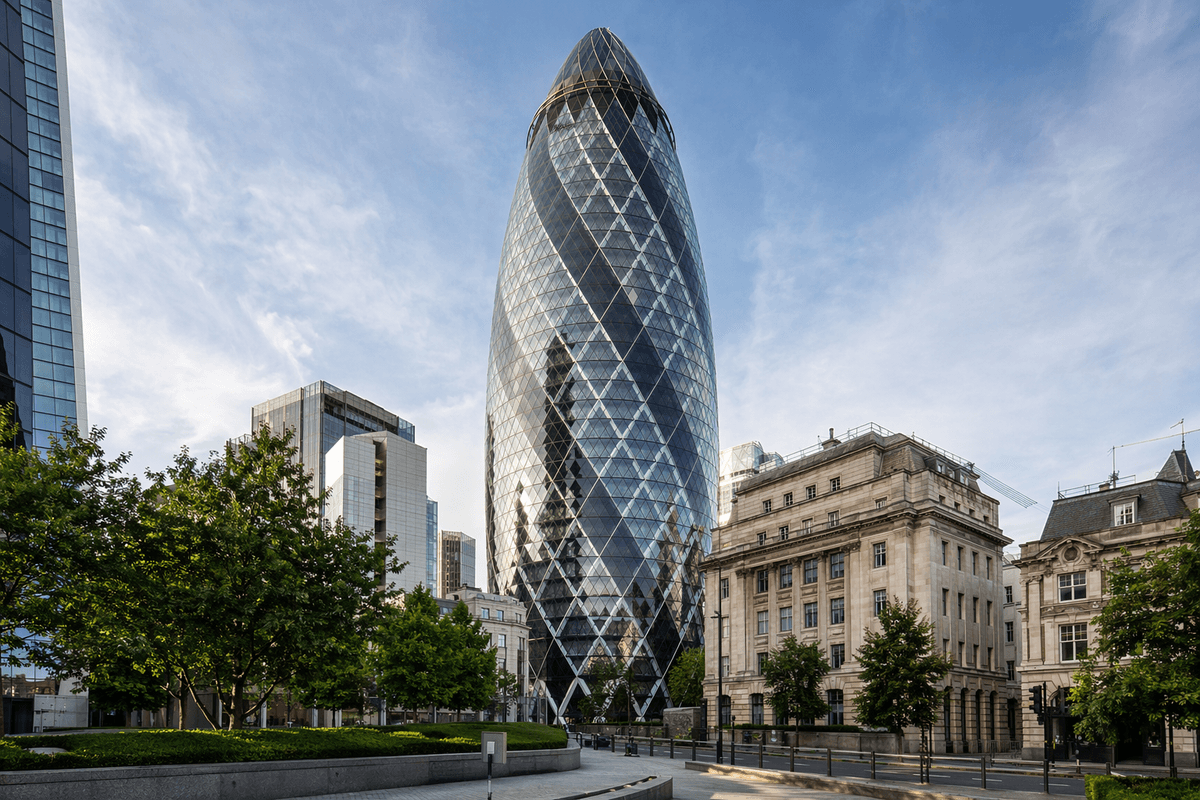
30 St Mary Axe is a office tower in London, United Kingdom, known for its rounded aerodynamic tower form and diamond-patterned skin.
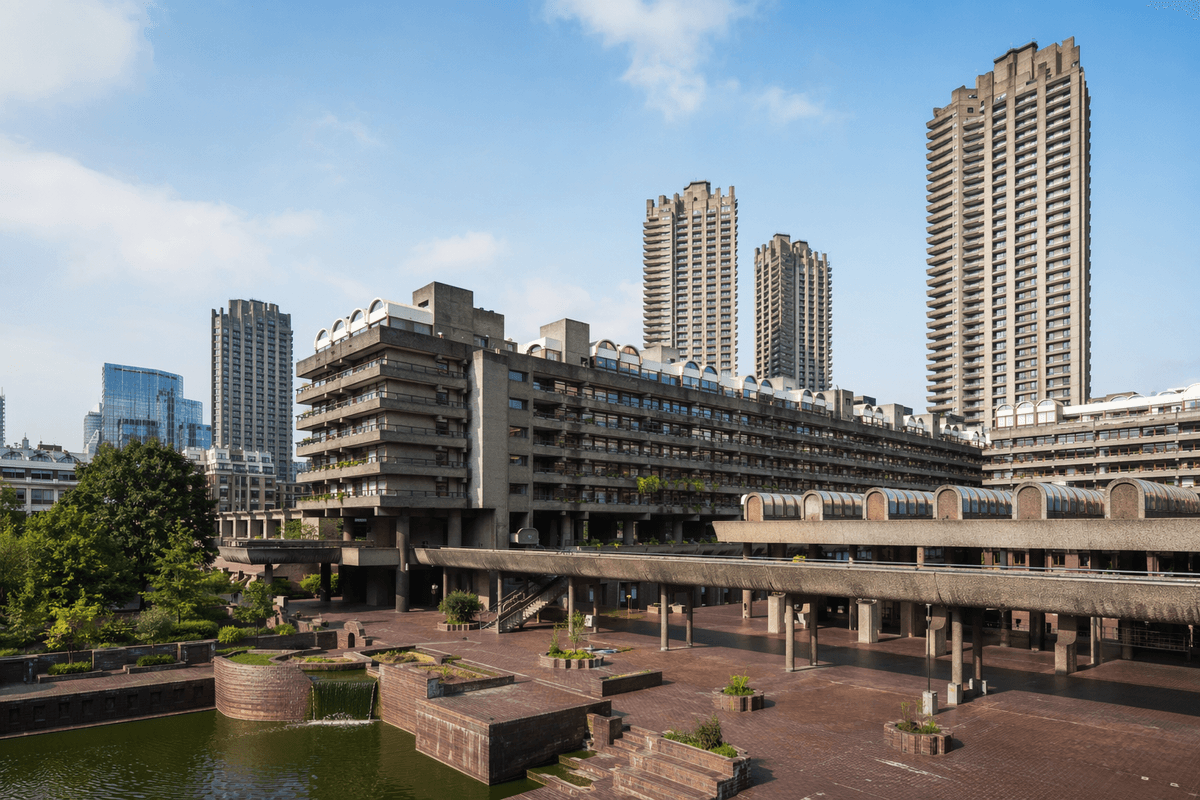
Barbican Estate is a housing and arts complex in London, United Kingdom, known for its concrete megastructure, elevated walkways, and mixed cultural program.
References used for facts, location data, image credits, and architectural context on this page.