why it matters
Why this building matters
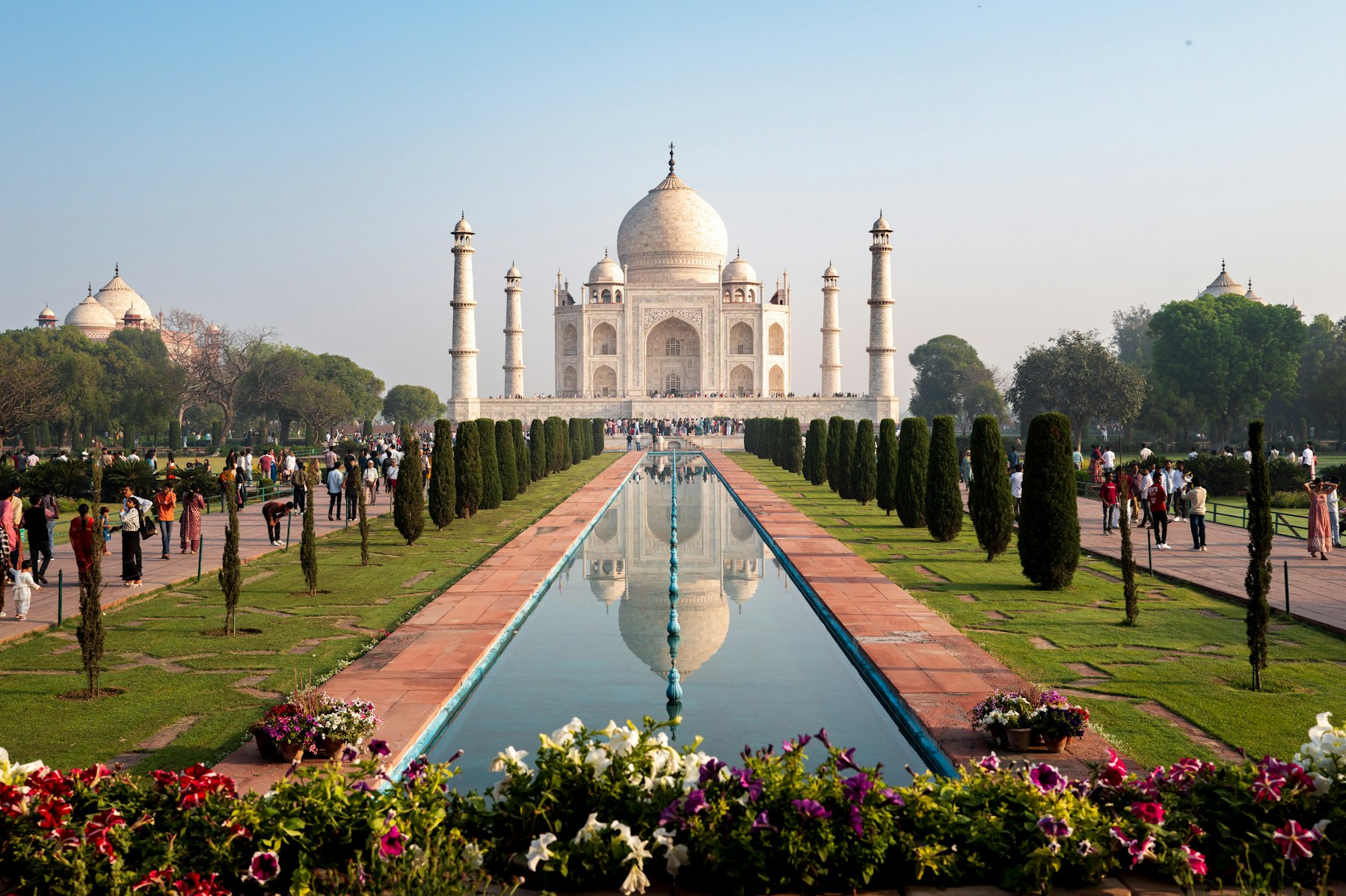
Taj Mahal helps readers connect Mughal and Islamic to visible design decisions: central white marble dome, four minarets, long garden and water axis.
building detail
Taj Mahal is a mausoleum in Agra, India, known for its marble dome, minarets, garden axis, and refined surface inlay.
Photo credit: Letian Zhang / Unsplash License.
why it matters
Taj Mahal helps readers connect Mughal and Islamic to visible design decisions: central white marble dome, four minarets, long garden and water axis.
what to notice
explore by place and style
map notes
Use the coordinates as anchors for reading the buildings in relation to streets, water, skyline, and nearby landmarks.
27.1751, 78.0421-33.8568, 151.215341.8902, 12.4922Map coordinates are listed with provider attribution handled through the source records.
architecture guide
A fuller reading of the building's history, setting, form, materials, and public role.
The Taj Mahal is usually introduced as a white marble mausoleum in Agra, completed in the seventeenth century, but the architectural fact to start with is the long garden axis. The tomb is not simply placed in a park. It is staged through a charbagh garden, a reflecting pool, paths, gates, trees, and controlled distance. That approach makes the building appear slowly, so symmetry becomes an experience before it becomes a diagram.
The building is often described in tourist language as a palace, but its program is a tomb complex built for Mumtaz Mahal under the patronage of Shah Jahan. That matters because the architecture is organized around memory, ritual, imperial power, and carefully framed approach rather than daily royal residence. The central marble tomb, the red sandstone support buildings, the river edge, and the garden all work together to make commemoration visible.
The marble surface is not a neutral white wrapper. It receives morning haze, strong sun, shadow, reflected water, and evening color differently, which is why the building can seem severe from one view and almost weightless from another. The material also holds carved detail and stone inlay. A facts page should therefore connect material to perception: marble gives the Taj Mahal its luminous image and its close-range craft evidence.
The four minarets at the corners of the marble platform do more than decorate the composition. They mark the tomb precinct, stabilize the silhouette, and help the central dome read as the focus. Their slight separation from the main mass keeps the mausoleum from becoming a single block. From the garden axis, the minarets frame the central volume so the dome, pishtaq arch, and platform become readable as one ordered composition.
The mosque and the jawab, the balancing building on the opposite side, are essential to the facts of the complex. Their red sandstone surfaces sharpen the contrast with the white marble tomb and prevent the composition from becoming only a single isolated object. They also show how Mughal architecture uses pairing, contrast, and axial control. The side buildings are part of the argument, not scenery around the famous postcard view.
UNESCO recognition is useful here because it points beyond the familiar image. The Taj Mahal is not valuable only as a dome or as a romantic symbol. Its importance comes from architecture, garden planning, craft, setting, and the way the entire ensemble expresses Mughal ideas of order and paradise garden imagery. That wider reading is what keeps the page from becoming a caption under a pretty photograph.
A reader should leave the facts page with a viewing sequence: enter through the gate, read the garden axis, compare marble and red sandstone, locate the four minarets, then move from the distant image toward inlay and carved detail. Those facts make the Taj Mahal less generic. They turn fame into evidence: material, geometry, landscape, memory, and imperial ceremony are all visible in the same composition.
The Taj Mahal is symmetrical, but stopping there makes the design sound simpler than it is. Symmetry organizes the visitor's eye, slows the approach, and makes small departures matter. The central dome, corner minarets, platform, garden paths, reflecting pool, mosque, and jawab all participate in a controlled order. The design's power comes from how that order is experienced over distance, not from a flat front elevation alone.
The garden is not only foreground. It is one of the main architectural instruments. The long pool, cypress lines, paving, and planted quadrants make the visitor approach the tomb through measured intervals. That sequence gives the marble building time to grow in scale. It also connects the complex to paradise garden traditions, where water, geometry, shade, and procession are part of the spatial meaning rather than decorative landscape afterthoughts.
The bulbous central dome is the most recognizable form, but it works because it is supported visually by smaller domed kiosks, the high pishtaq arches, corner minarets, and the platform. Those companion elements prevent the dome from floating as a single object. They create a hierarchy: broad platform, vertical framing, central arch, dome, finial. Reading that hierarchy is more useful than saying the dome is merely beautiful.
White marble, red sandstone, inlaid stone, and garden water all have separate roles. Marble concentrates attention on the tomb and changes with light. Red sandstone gives weight and contrast to the mosque, jawab, and gateways. Stone inlay rewards close looking after the distant view has done its work. Water doubles the axis and makes the tomb seem suspended between earth, reflection, and sky.
The floral inlay, carved panels, calligraphy bands, and surface pattern should not be treated as decoration added to an otherwise complete form. They control scale. From far away, the Taj Mahal is a perfect silhouette; up close, the surface breaks into hand-scale evidence of craft. The shift from image to detail is what makes the building work as both imperial composition and intimate memorial surface.
The Yamuna River setting means the tomb is not centered in the garden in the simple way many visitors expect. The marble mausoleum sits toward the river edge, giving the garden approach a long foreground and giving the rear of the complex a different relationship to water and horizon. That placement makes the familiar frontal image only one part of the plan. The building has a river-facing life as well as a garden-facing life.
The common mistake is to reduce the Taj Mahal to romance and symmetry. A stronger design reading asks how geometry, craft, water, platform, dome, minarets, side buildings, and river setting cooperate. The building is disciplined, but it is not static. It changes through approach, light, reflection, close detail, and the difference between the marble tomb and the red sandstone ensemble around it.
The Taj Mahal's history is usually told through Shah Jahan's grief for Mumtaz Mahal, but the architecture is not only a private emotional gesture. It is also an imperial Mughal project that mobilized planning, craft, labor, materials, and courtly symbolism at a monumental scale. The building's historical force comes from that combination: personal memorial, dynastic image, religious meaning, and technical refinement were made visible in one carefully ordered complex.
The Taj Mahal belongs to a wider Mughal world of gardens, tombs, gateways, red sandstone, marble, water channels, domes, and axial planning. That context matters because the building did not appear from nowhere. It intensifies and refines patterns already present in imperial architecture. The result is not just a famous isolated monument. It is a peak example of how a court culture used geometry, craft, and landscape to express order.
The charbagh garden is a historical idea as much as a plan. It connects the complex to paradise garden imagery and to traditions of ordered landscape in Islamic and Persianate culture. Water, shade, division into quadrants, and axial movement are therefore not simply aesthetic devices. They help explain why the tomb is approached as a journey through measured space. History is embedded in the visitor route.
The building's history also belongs to the people and workshops that made its surfaces. Marble carving, stone inlay, calligraphy, masonry, garden works, and structural execution all translate imperial ambition into material evidence. This is why a history page should not only name a patron and date. It should make room for craft systems. Without them, the Taj Mahal would remain a concept rather than a built object capable of surviving close inspection.
The Taj Mahal became globally recognizable because its image is both simple and dense. A central dome, four minarets, a long water axis, and a pale marble surface can be understood quickly in reproduction. At the same time, the building carries a memorable story of love, power, loss, and paradise imagery. That combination lets the monument circulate as postcard, textbook case, travel destination, and architectural reference.
UNESCO listing in 1983 confirmed the monument's global heritage status, but recognition also makes preservation pressure more visible. Pollution, visitor numbers, river context, surface conservation, and management of the wider precinct all shape how the building is maintained. The Taj Mahal is therefore not only a seventeenth-century achievement. It is a continuing conservation responsibility whose image depends on ongoing care.
The useful historical lesson is that architecture can turn memory into a public spatial system. The Taj Mahal does this through a tomb, garden, gateway, mosque, water axis, marble surface, and repeated symmetry. It is famous because the system is clear enough for a first-time visitor and rich enough for deeper study. That is why it belongs in the core atlas rather than only in a list of world wonders.
The Taj Mahal is best read as a sequence, so do not begin only with the famous front photograph. Start with the gate and the first controlled view through it. That threshold teaches the main design idea: the mausoleum is revealed through framing, distance, and alignment. The building's power depends on delayed arrival. The first lesson is therefore not the dome, but the way the view is prepared.
Once inside the garden axis, treat the reflecting pool as an architectural measuring line. It connects viewer, path, water, trees, platform, and tomb into one long composition. Stand far enough back to see the minarets, dome, and garden together before moving closer. The reflection is not only photogenic. It doubles the symmetry and makes the central axis legible even in a crowded view.
A quick visit can make the Taj Mahal seem like a single white object, but the complex depends on contrast. Look at the red sandstone gate, mosque, and jawab, then compare them with the white marble tomb. The color and material shift tells you where attention should concentrate. It also keeps the visitor aware that this is an ensemble with support buildings, not just one freestanding marble dome.
At distance, study the dome, corner minarets, and platform as a complete silhouette. Up close, change the question. Look for inlaid stone, carved floral panels, calligraphy bands, marble joints, screens, and shadow around the large arches. The building rewards that shift because its design works at two scales: a perfect image from far away and a crafted surface at hand distance.
Many visitors stay on the central garden line, but the side buildings and river edge change the reading. The mosque and jawab show how balance is maintained across the platform, while the Yamuna side reminds you that the tomb is placed in a larger landscape. If the central axis gives the postcard view, the side and rear angles explain how the monument sits in the wider precinct.
Make three architectural images rather than one generic souvenir shot. First, take a long-axis image with pool, trees, platform, minarets, and dome in one frame. Second, take a material comparison image that includes marble against red sandstone or shadowed arch depth. Third, take a close detail of inlay, carving, calligraphy, or screen work. Those three studies preserve route, contrast, and craft.
After studying the Taj Mahal, compare it with the Alhambra for Islamic surface and garden relationships, with the Pantheon for a different kind of centralized sacred volume, and with Versailles for axial landscape power. The goal is not to rank monuments. It is to see how different cultures use symmetry, water, material, and approach to create authority and memory, then return to the Taj Mahal with sharper eyes and a more exact route.
continue reading
related buildings
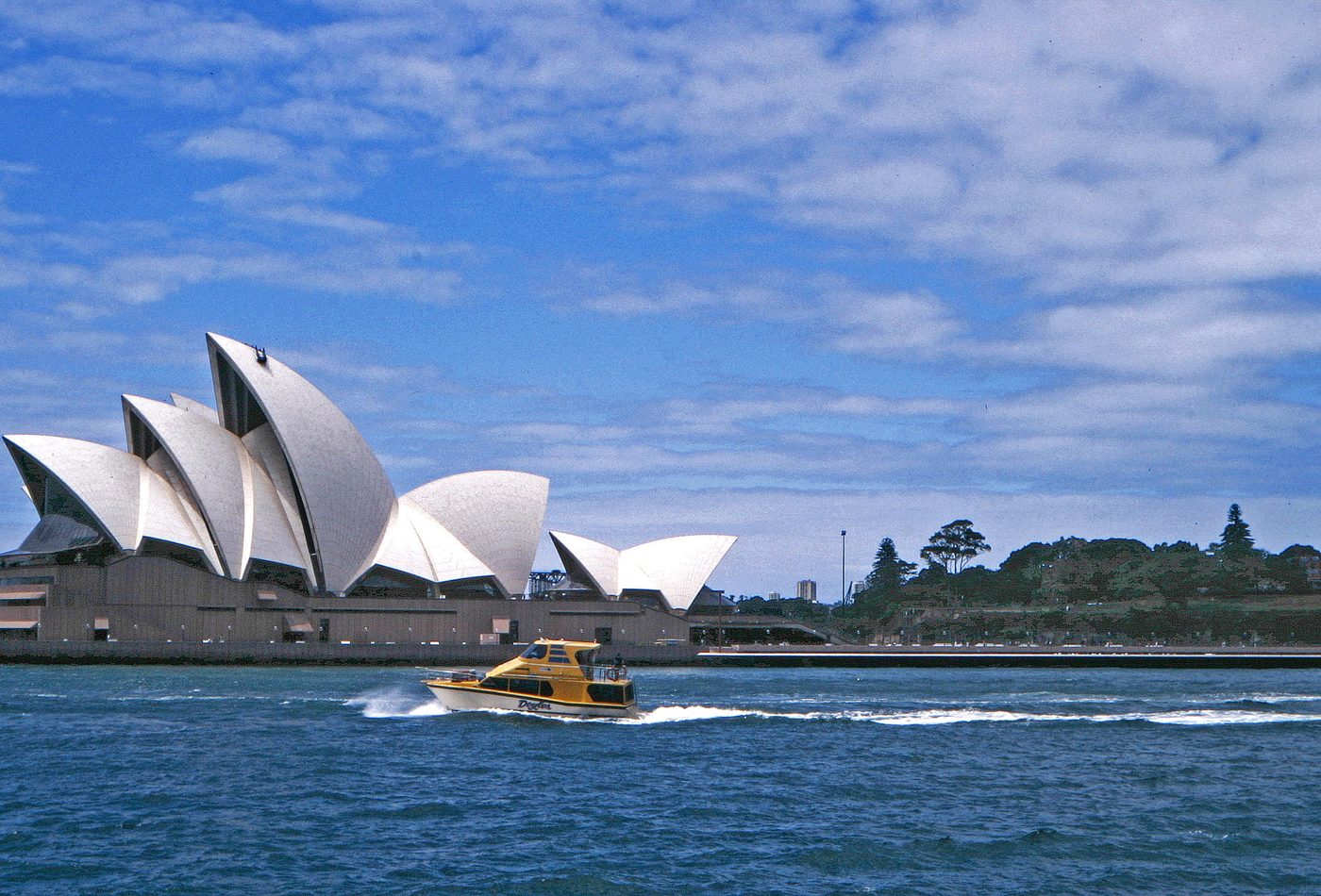
A waterfront performing arts complex known for its shell-like roof forms.
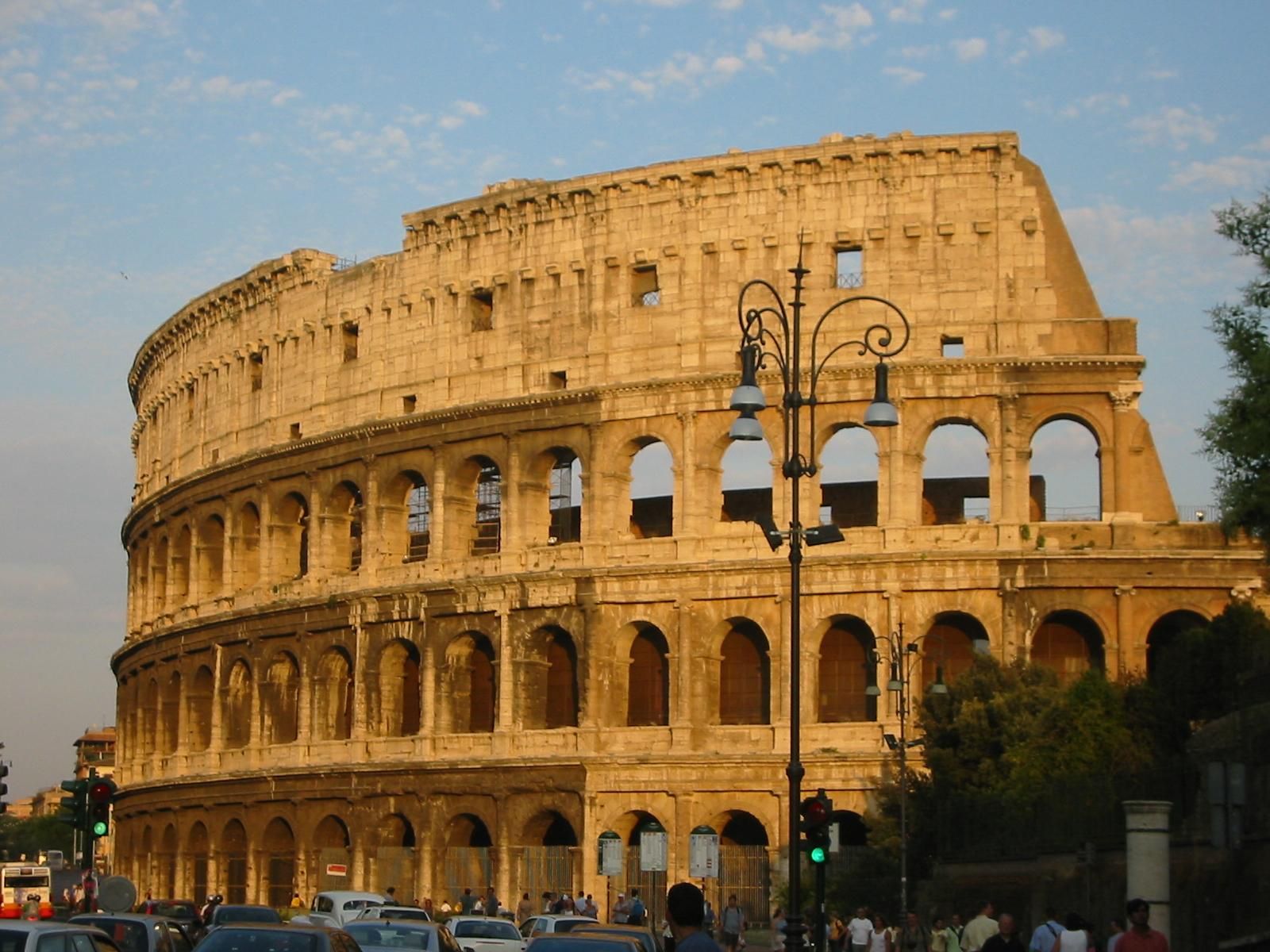
Colosseum is a amphitheater in Rome, Italy, known for its stacked arcades and enormous oval arena.
References used for facts, location data, image credits, and architectural context on this page.