why it matters
Why this building matters
Colosseum helps readers connect Ancient and Classical to visible design decisions: stacked arches, oval seating bowl, exposed structural layers.
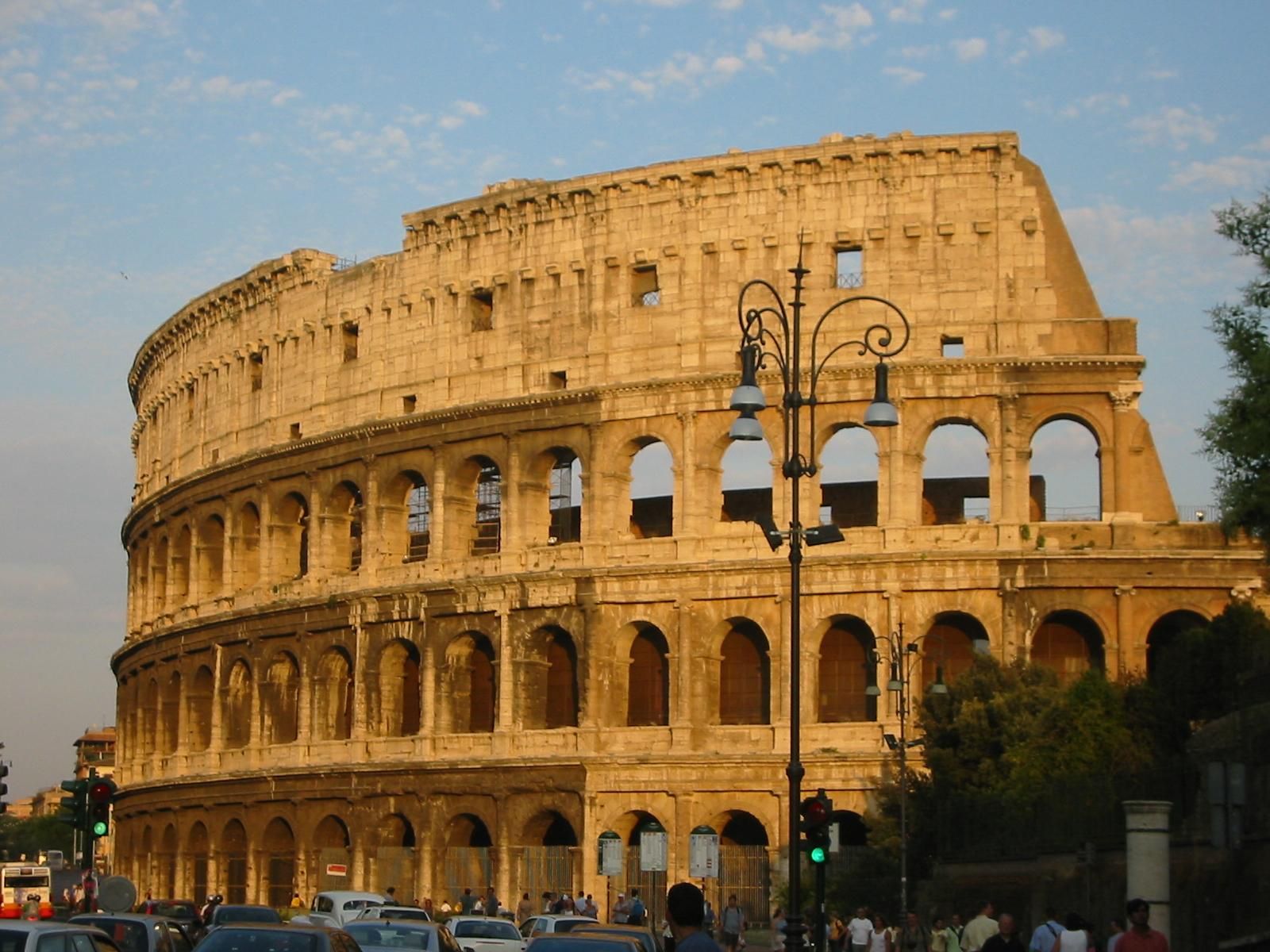
building detail
Colosseum is a amphitheater in Rome, Italy, known for its stacked arcades and enormous oval arena.
Photo credit: Kevin Brintnall / CC0 / Public Domain.
why it matters
Colosseum helps readers connect Ancient and Classical to visible design decisions: stacked arches, oval seating bowl, exposed structural layers.
what to notice
explore by place and style
map notes
Use the coordinates as anchors for reading the buildings in relation to streets, water, skyline, and nearby landmarks.
41.8902, 12.492227.1751, 78.042137.9715, 23.7267Map coordinates are listed with provider attribution handled through the source records.
architecture guide
A fuller reading of the building's history, setting, form, materials, and public role.
The Colosseum is an ancient Roman amphitheater in Rome, completed in the first century CE, but the first architectural fact to understand is its oval plan. The shape is not a decorative outline. It organizes spectacle, sightlines, movement, seating hierarchy, and the relationship between the arena floor and the surrounding cavea. From the outside, the curve makes the building seem continuous; from inside, it concentrates attention toward a shared central field.
The exterior is famous because the stacked arches turn a huge mass into a readable rhythm. Instead of one blank wall, the facade is organized as repeated bays, columns, openings, and upper wall surfaces. That repetition helps a visitor understand the building's size without losing the human scale of each bay. The arcades are therefore practical and visual at the same time: they are circulation openings, structural rhythm, and public image.
Travertine, tuff, brick-faced concrete, and Roman concrete all matter to the facts of the building. The Colosseum is not simply carved stone piled into a monument. It combines durable facing, vaulting, internal corridors, stairs, seating support, and service spaces into a large public machine. The materials help explain how the Romans could make a permanent arena for enormous crowds rather than a temporary timber structure.
A basic Colosseum fact that should not be skipped is circulation. The building had entrances, vaulted corridors, stairs, and seating zones that controlled how many people could enter, move, and leave. The architecture is therefore less like a sculptural object and more like infrastructure for public assembly. Its survival as a ruin can hide that original logic, but the stacked passages and repeated openings still make the crowd system visible.
The central arena gets the attention, but the visible remains include seating, exterior arcades, internal vaults, and underground service structures known as the hypogeum. Those layers explain why the Colosseum is architecturally richer than a simple stadium image. It was a structure for performance, control, staging, entry, hierarchy, and engineering logistics. The ruin teaches by exposing layers that were once hidden under surfaces and seating.
The Colosseum belongs to the archaeological and urban setting of central Rome. It is read beside nearby forums, roads, imperial remains, later churches, traffic, and tourism infrastructure. That setting matters because the amphitheater is both a Roman building and a long-lived urban landmark. Its meaning has changed across centuries, but the visible shell continues to anchor a dense field of ancient and modern Rome.
Use the facts as a viewing route. Start with the oval plan, then read the stacked arcades, then move inward to corridors, seating layers, arena edge, and underground remains. A thin facts page says the Colosseum is old and large. A useful one shows how form, structure, crowd flow, material, spectacle, and city memory are all built into the same amphitheater.
The Colosseum is best analyzed as a crowd machine: architecture for movement and collective attention. Its oval plan focuses sightlines on the arena, while the outer envelope, entrances, corridors, stair systems, and seating tiers distribute people around the building. That combination is the design. The amphitheater is not only a symbolic ruin. It is evidence of how Roman architecture could organize thousands of bodies through geometry, repetition, and hierarchy.
The facade has a disciplined order because repeated arches make the enormous building legible. Each bay gives a measurable unit, while the stacked levels create a vertical rhythm. The classical orders and the changing wall treatment do not simply decorate the building. They give visual structure to a massive envelope and communicate civic control. The ruin still works because enough of that order remains visible.
A flat reading of the Colosseum sees only the outside curve. A better design reading notices thickness. Behind the outer arcades are corridors, radial walls, vaults, stairs, and seating supports. These spaces allow the building to handle load and circulation together. The amphitheater is therefore both shell and network. Its architecture lies in the depth between the public facade and the arena edge.
Travertine gives the exterior a durable public face, while tuff, brick, and concrete support internal structure and vaulting. This material hierarchy matters because it separates image, load, enclosure, and circulation. The Colosseum does not rely on one material doing everything. It combines construction methods so the building can be monumental outside, efficient inside, and adaptable enough to support a complicated seating and service system. Reading the material changes also keeps the amphitheater from becoming a flat postcard: the public face, hidden passages, repaired edges, and exposed voids each tell a different part of the design story.
The Colosseum's damaged state is part of how modern viewers understand it. Missing wall sections, exposed corridors, and visible substructures reveal relationships that would once have been partly hidden. The ruin makes the amphitheater more diagrammatic. Visitors can see the difference between outer skin, seating support, circulation, arena edge, and underground service zones. That exposure turns decay into architectural evidence.
The building's design cannot be separated from its place in Rome. It stands among roads, archaeological remains, slopes, and monuments that make the amphitheater part of a larger public landscape. The exterior arcades work at city scale: they are visible from approach routes, frame movement around the site, and keep the building recognizable even when seen obliquely. The city constantly tests the building's legibility.
The common mistake is to treat the Colosseum as a famous old shell. A sharper reading asks how the shell, vaults, stairs, seating, material hierarchy, and arena work together. The building's power is not only that it survived. It is that survival still makes the original design logic readable: mass public entertainment turned into stone, concrete, arcades, circulation, and controlled spectacle. The most useful design question is therefore not simply what remains, but what the remaining fabric reveals about entrance, hierarchy, visibility, service, and the management of a crowd that had to feel both ordered and excited.
The Colosseum's historical importance comes from the way architecture, politics, entertainment, and crowd control converged in one building. The amphitheater was not a neutral sports venue in the modern sense. It was a public monument where imperial power could be seen through spectacle, seating hierarchy, engineering capacity, and the ability to gather large numbers of people. Its history is therefore inseparable from public performance.
The building is associated with the Flavian emperors, which gives it a political context beyond construction dates. It occupied a site linked to earlier imperial display and helped redirect land toward public spectacle. That shift matters because architecture was part of how rule was communicated. The amphitheater offered a visible answer to what power could build, who could gather, and how an urban population could be organized around events.
The Colosseum is remembered partly because its engineering remained visible even after damage. The oval plan, tiered seating supports, vaults, outer arcades, and hypogeum all preserve evidence of a sophisticated system. This is why the building is more than an ancient attraction. It is a historical record of Roman construction culture, public logistics, and the use of permanent architecture for repeated mass events.
After antiquity, the Colosseum did not remain a frozen Roman object. It was damaged by earthquakes, reused, quarried for materials, inhabited in different ways, stabilized, and eventually conserved as a monument. Those later chapters are not distractions from the ancient story. They explain why the building looks as it does now. The ruin is a layered product of Roman construction and post-Roman transformation.
The Colosseum's image traveled because it compresses many ideas into one visible form: Rome, empire, arena, violence, engineering, endurance, ruin, and tourism. The broken outer wall and repeated arches make the building immediately recognizable even when people know little about its plan. That symbolic power is historical, but it depends on architecture. The form makes memory portable.
Today the Colosseum is part of a managed archaeological and heritage landscape. Stabilization, conservation, visitor routing, research, and interpretation shape how the building is experienced. That modern layer should be part of the historical reading. A monument this famous is not simply inherited; it is continually maintained, protected, studied, and negotiated between local life, global tourism, and archaeological responsibility.
The useful lesson is that architecture can survive as evidence even after its original program has disappeared. The Colosseum no longer operates as a Roman spectacle machine, but its walls, vaults, entrances, and arena still explain that machine. The building belongs in the atlas because it lets readers see history through construction rather than only through dates, emperors, and legends.
Begin with the exterior rather than rushing to the arena. Stand far enough back to read the oval curve and the stacked arcades together. The Colosseum is often photographed as a fragment, but the first architectural reading should establish continuity: repeated arches, bay rhythm, wall height, and the way the building turns around its arena. This outside view explains scale and civic presence.
The arches are the obvious feature, but the better visit asks how many layers the building has. Look behind the outer facade for corridors, stair paths, seating supports, wall thickness, and openings that lead inward. The Colosseum becomes much more interesting when it is read as a thick building. Every passage is a clue to how people once moved through the amphitheater.
At the arena, look across rather than only down. The seating tiers, exposed substructures, and surrounding walls create a sectional view through the building. Try to understand what would have been visible to spectators and what was hidden below or behind. The modern visitor gets a rare chance to see both the public face of spectacle and the technical spaces that supported it.
Train your eye on material shifts: stone blocks, repaired areas, brick, concrete, metal stabilization, missing surfaces, and shadowed vaults. These changes prevent the building from feeling like one continuous ancient texture. They reveal construction, damage, repair, and interpretation. A good close view should make the Colosseum feel less like a backdrop and more like a layered document.
Do not isolate the amphitheater from Rome. From nearby approaches, note traffic, archaeological fragments, slopes, monuments, crowds, and changing ground levels. The Colosseum is powerful because it still anchors the city, but it is also pressured by the modern city around it. That tension helps explain why it functions as both ruin and urban landmark. A useful visit should keep ancient evidence and modern management in the same frame: barriers, routes, conservation zones, and sightlines all affect how the ruin is read today.
Make one exterior image that shows the curve and stacked arcades, one interior or arena-edge image that shows seating and substructure, and one close detail of stone, arch, vault, or repaired fabric. These three frames create a better architectural record than a single postcard shot. They preserve form, section, and material evidence in one visit sequence. If time is limited, prioritize photographs that explain relationships: outer wall to inner passage, arena floor to service level, repaired stone to older fabric, and the monument to the city around it.
After studying the Colosseum, compare it with the Pantheon for Roman concrete and centralized space, with the Parthenon for a different kind of ancient public monument, and with modern stadiums for crowd circulation. The point is not to say one is better. It is to see how architecture organizes bodies, sightlines, materials, and public memory across very different periods.
continue reading
related buildings
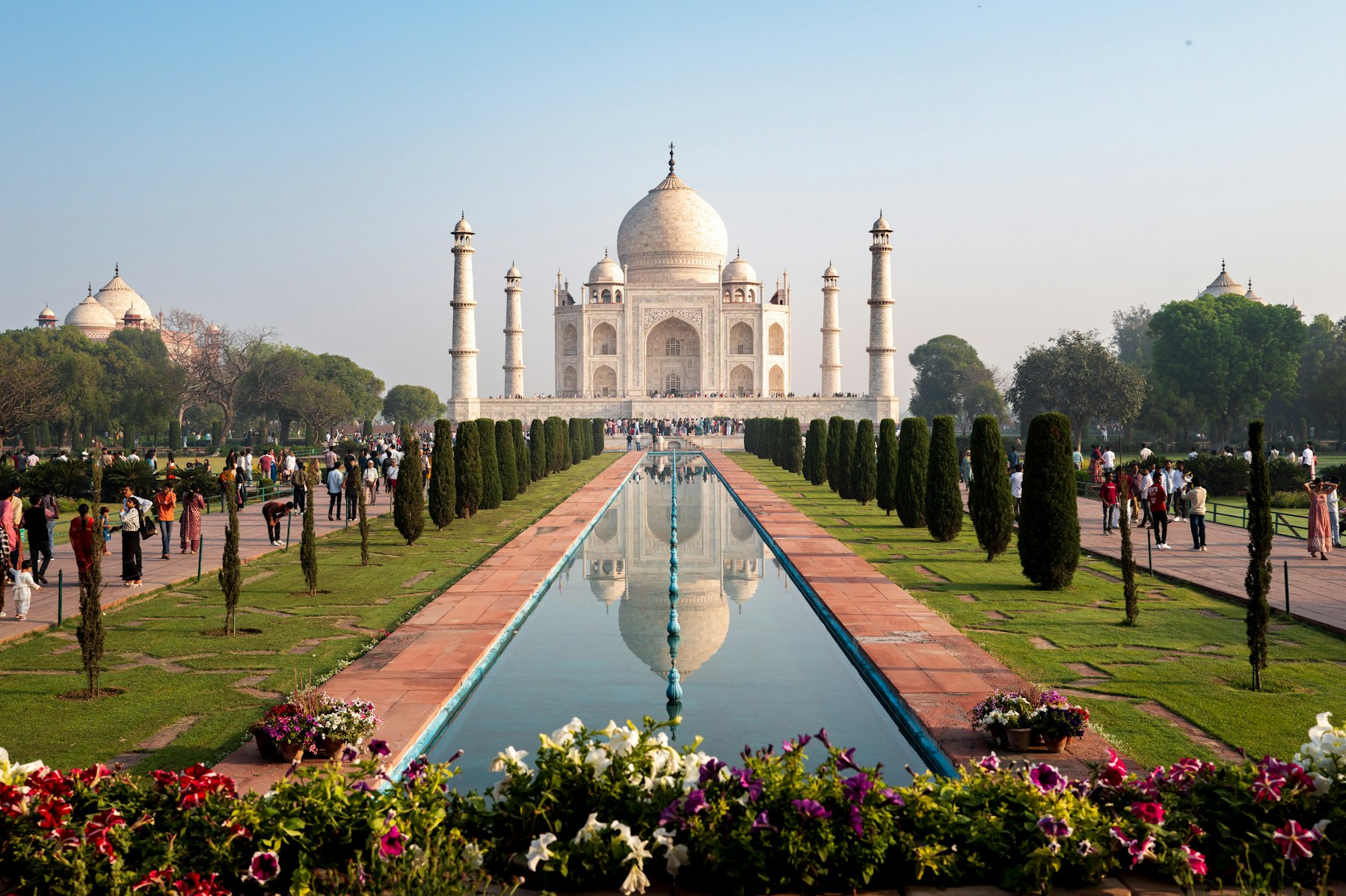
Taj Mahal is a mausoleum in Agra, India, known for its marble dome, minarets, garden axis, and refined surface inlay.
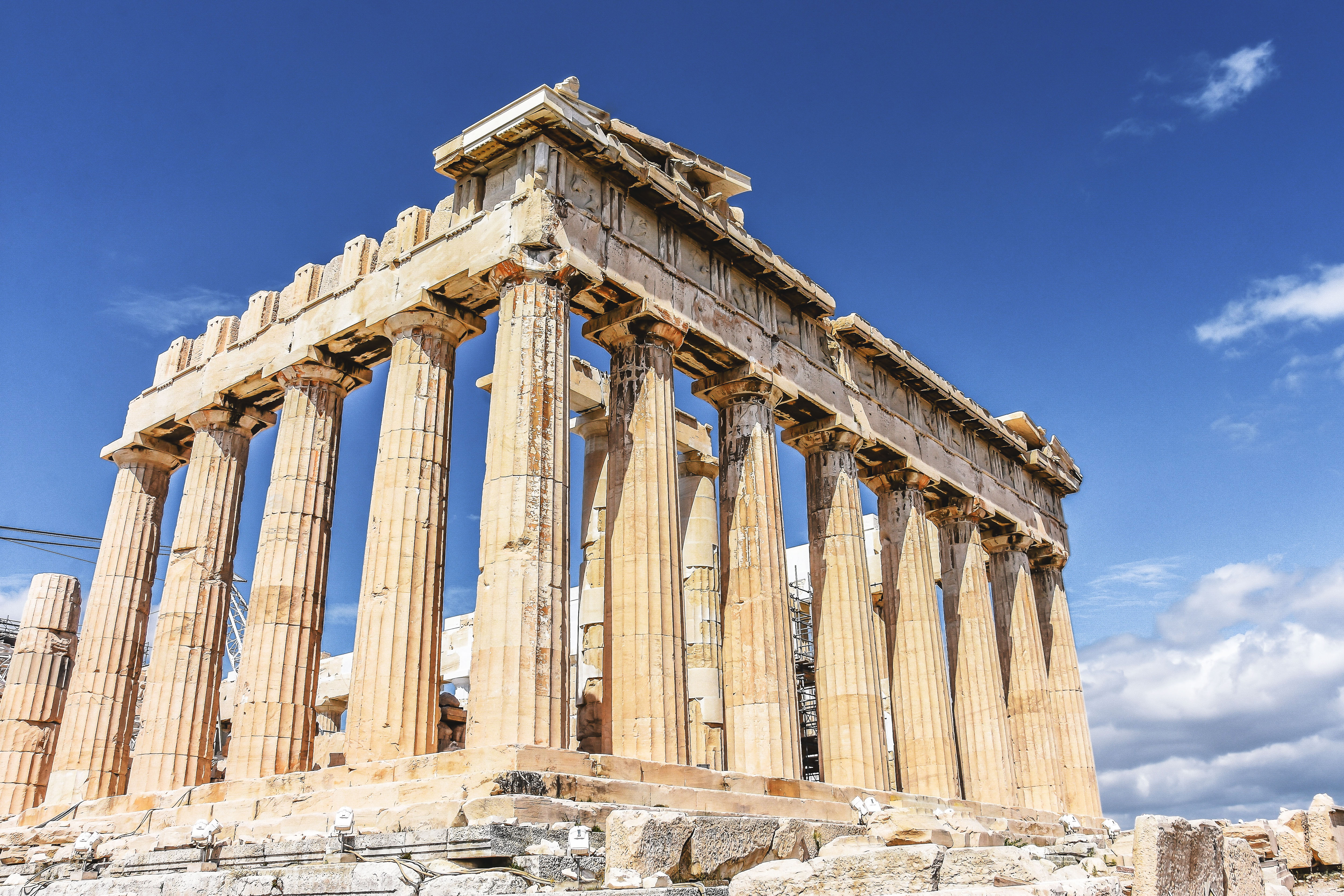
Parthenon is a temple in Athens, Greece, known for its Doric order, optical refinements, and Acropolis setting.
References used for facts, location data, image credits, and architectural context on this page.