guide
Colosseum History from Flavian Spectacle to Ruin
The history begins with public spectacle
The Colosseum's historical importance comes from the way architecture, politics, entertainment, and crowd control converged in one building. The amphitheater was not a neutral sports venue in the modern sense. It was a public monument where imperial power could be seen through spectacle, seating hierarchy, engineering capacity, and the ability to gather large numbers of people. Its history is therefore inseparable from public performance.
The Flavian setting matters
The building is associated with the Flavian emperors, which gives it a political context beyond construction dates. It occupied a site linked to earlier imperial display and helped redirect land toward public spectacle. That shift matters because architecture was part of how rule was communicated. The amphitheater offered a visible answer to what power could build, who could gather, and how an urban population could be organized around events.
Engineering became historical memory
The Colosseum is remembered partly because its engineering remained visible even after damage. The oval plan, tiered seating supports, vaults, outer arcades, and hypogeum all preserve evidence of a sophisticated system. This is why the building is more than an ancient attraction. It is a historical record of Roman construction culture, public logistics, and the use of permanent architecture for repeated mass events.
Reuse and damage changed the building
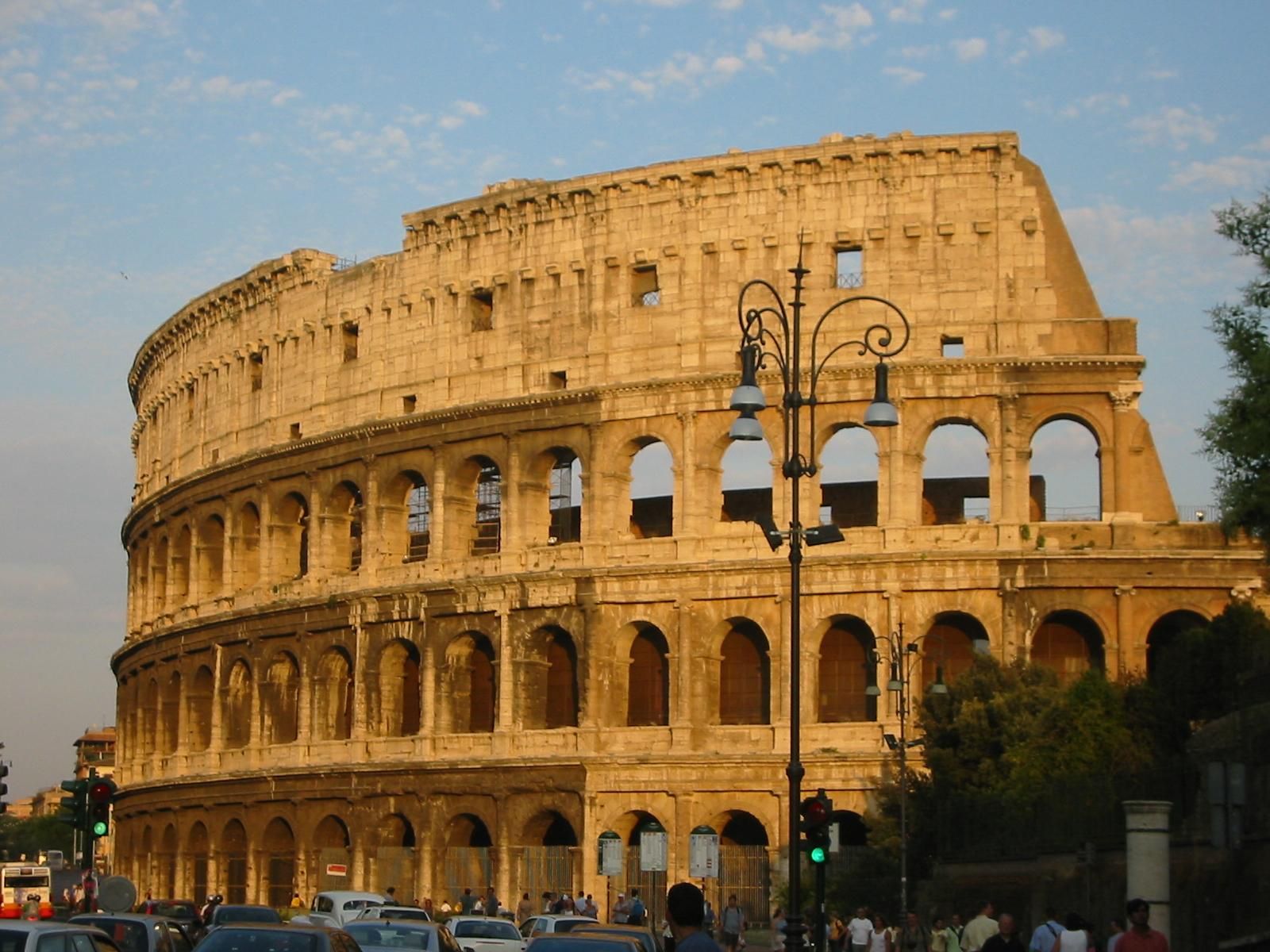
After antiquity, the Colosseum did not remain a frozen Roman object. It was damaged by earthquakes, reused, quarried for materials, inhabited in different ways, stabilized, and eventually conserved as a monument. Those later chapters are not distractions from the ancient story. They explain why the building looks as it does now. The ruin is a layered product of Roman construction and post-Roman transformation.
The ruin became a symbol
The Colosseum's image traveled because it compresses many ideas into one visible form: Rome, empire, arena, violence, engineering, endurance, ruin, and tourism. The broken outer wall and repeated arches make the building immediately recognizable even when people know little about its plan. That symbolic power is historical, but it depends on architecture. The form makes memory portable.
Heritage status makes care visible
Today the Colosseum is part of a managed archaeological and heritage landscape. Stabilization, conservation, visitor routing, research, and interpretation shape how the building is experienced. That modern layer should be part of the historical reading. A monument this famous is not simply inherited; it is continually maintained, protected, studied, and negotiated between local life, global tourism, and archaeological responsibility.
The historical lesson
The useful lesson is that architecture can survive as evidence even after its original program has disappeared. The Colosseum no longer operates as a Roman spectacle machine, but its walls, vaults, entrances, and arena still explain that machine. The building belongs in the atlas because it lets readers see history through construction rather than only through dates, emperors, and legends.