guide
Colosseum Facts: Oval Plan, Arcades, and Roman Crowds
The essential fact is the oval
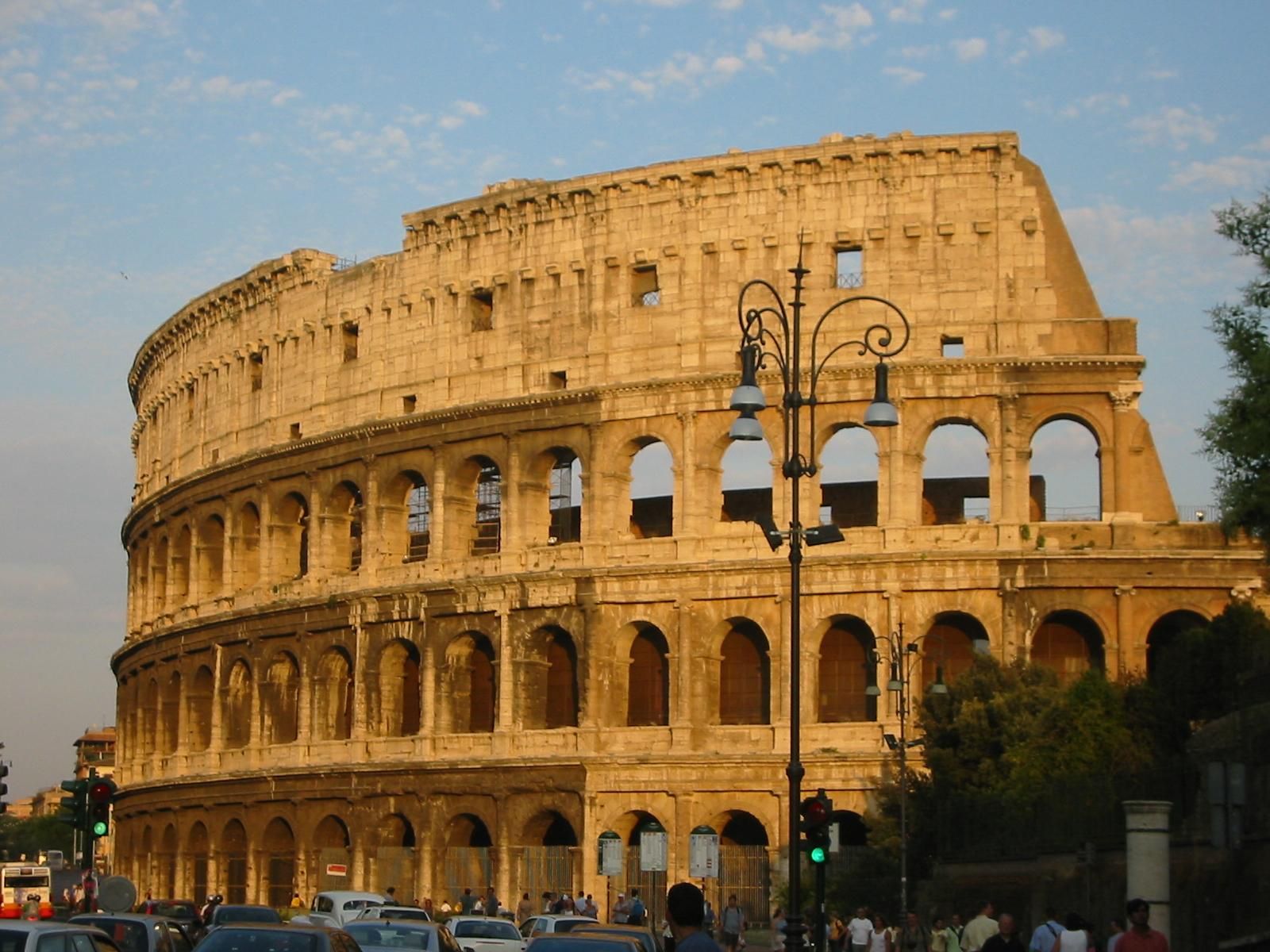
The Colosseum is an ancient Roman amphitheater in Rome, completed in the first century CE, but the first architectural fact to understand is its oval plan. The shape is not a decorative outline. It organizes spectacle, sightlines, movement, seating hierarchy, and the relationship between the arena floor and the surrounding cavea. From the outside, the curve makes the building seem continuous; from inside, it concentrates attention toward a shared central field.
Stacked arcades make scale readable
The exterior is famous because the stacked arches turn a huge mass into a readable rhythm. Instead of one blank wall, the facade is organized as repeated bays, columns, openings, and upper wall surfaces. That repetition helps a visitor understand the building's size without losing the human scale of each bay. The arcades are therefore practical and visual at the same time: they are circulation openings, structural rhythm, and public image.
Materials explain Roman engineering
Travertine, tuff, brick-faced concrete, and Roman concrete all matter to the facts of the building. The Colosseum is not simply carved stone piled into a monument. It combines durable facing, vaulting, internal corridors, stairs, seating support, and service spaces into a large public machine. The materials help explain how the Romans could make a permanent arena for enormous crowds rather than a temporary timber structure.
Crowd movement was part of the design
A basic Colosseum fact that should not be skipped is circulation. The building had entrances, vaulted corridors, stairs, and seating zones that controlled how many people could enter, move, and leave. The architecture is therefore less like a sculptural object and more like infrastructure for public assembly. Its survival as a ruin can hide that original logic, but the stacked passages and repeated openings still make the crowd system visible.
The arena is only one layer
The central arena gets the attention, but the visible remains include seating, exterior arcades, internal vaults, and underground service structures known as the hypogeum. Those layers explain why the Colosseum is architecturally richer than a simple stadium image. It was a structure for performance, control, staging, entry, hierarchy, and engineering logistics. The ruin teaches by exposing layers that were once hidden under surfaces and seating.
A monument inside a larger Roman landscape
The Colosseum belongs to the archaeological and urban setting of central Rome. It is read beside nearby forums, roads, imperial remains, later churches, traffic, and tourism infrastructure. That setting matters because the amphitheater is both a Roman building and a long-lived urban landmark. Its meaning has changed across centuries, but the visible shell continues to anchor a dense field of ancient and modern Rome.
What the facts should help you see
Use the facts as a viewing route. Start with the oval plan, then read the stacked arcades, then move inward to corridors, seating layers, arena edge, and underground remains. A thin facts page says the Colosseum is old and large. A useful one shows how form, structure, crowd flow, material, spectacle, and city memory are all built into the same amphitheater.