guide
Hagia Sophia History Across Church, Mosque, and Museum
History is visible in the building's layers
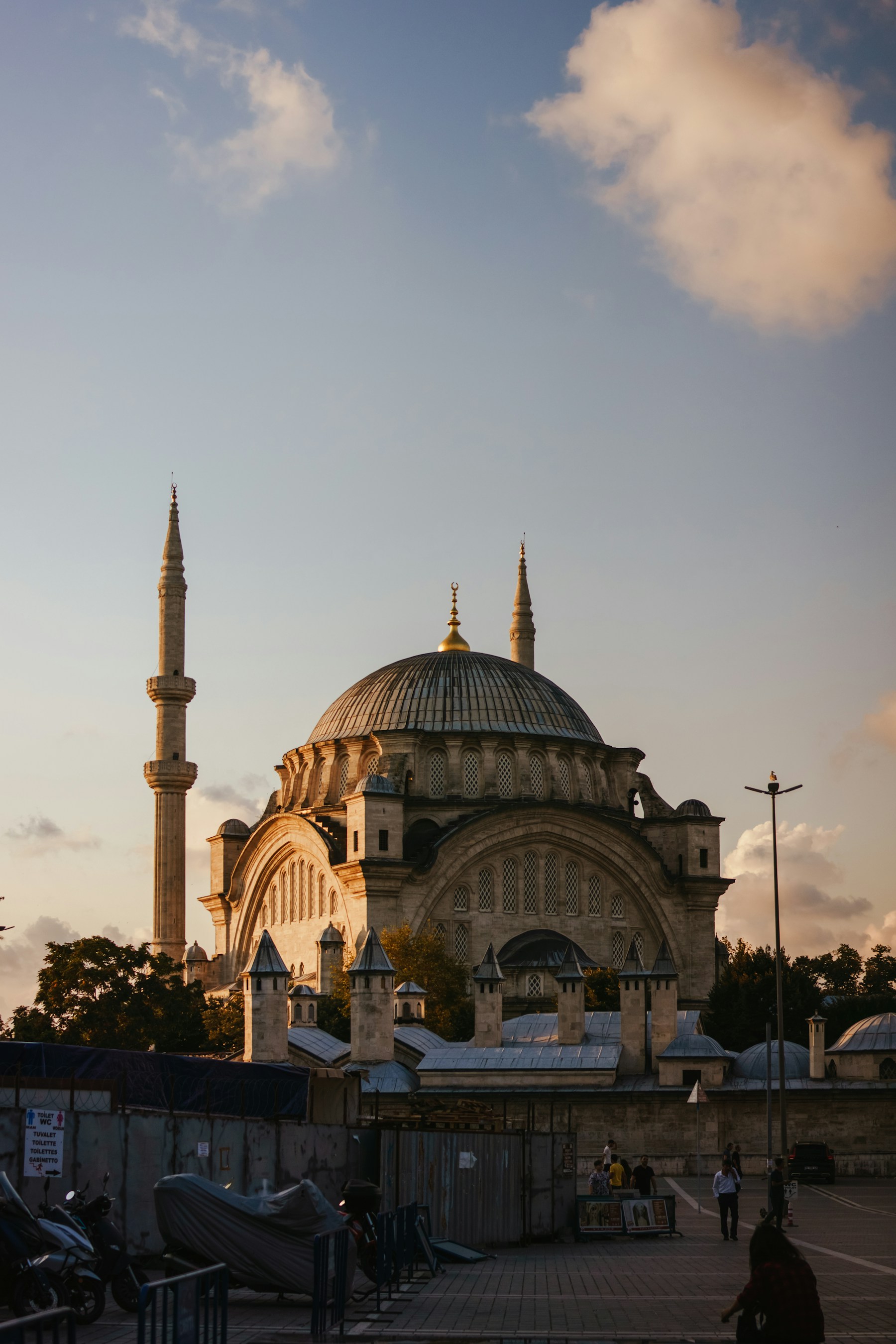
Hagia Sophia's history is unusually visible because each major phase left architectural evidence. The sixth-century structure remains the main spatial body. Ottoman mosque use added minarets, calligraphic elements, and new liturgical orientation. Museum and conservation phases exposed, studied, or reframed earlier Christian mosaics. Current mosque use changes public access and interpretation again. The building is therefore not a frozen monument from 537. It is a layered historical document whose main space has been reread by different powers and communities.
The Nika revolt explains the ambition
The Nika revolt of 532 is more than background violence. It explains why Justinian could commission a building that felt like a new beginning. After destruction, the replacement cathedral had to demonstrate control, religious authority, and technical possibility. This helps the viewer understand the scale of the design. Hagia Sophia was not only repairing a lost church. It was making the imperial capital visibly whole again through architecture that exceeded the previous building's ambition.
The architects made geometry historical
Anthemios of Tralles and Isidoros of Miletos matter because the building's history is partly a history of knowledge. Their design is remembered not only for size but for the mathematical and structural intelligence required to carry the dome over a vast interior. That makes Hagia Sophia different from monuments whose importance lies mainly in patronage or decoration. Here, geometry itself became historical evidence: the building showed that technical imagination could serve imperial and sacred image.
The dome's failures became part of the story
The early dome problems and rebuilding after collapse are part of the historical reading, not embarrassing footnotes. They show that Hagia Sophia was an experiment at the edge of what builders could sustain. Earthquakes, structural adjustments, buttressing, repairs, and restorations all belong to the building's life. A perfect-looking dome would tell a simpler story. The actual history is more useful because it shows architecture as maintenance, correction, and survival over centuries.
1453 changed the building without erasing it
The Ottoman conversion after 1453 changed Hagia Sophia's use and image, but it did not erase the older structure. Instead, it added a new historical reading to the same immense interior. Minarets changed the skyline. Islamic calligraphy and mosque furnishings changed the interior focus. Christian mosaics entered a more complicated public story. The building became powerful because the conversion was architectural as well as religious: it reorganized meaning while preserving the central spatial achievement.
The museum phase changed public interpretation
The twentieth-century museum phase changed how many visitors understood Hagia Sophia. It presented the building as a world monument where Byzantine and Ottoman layers could be interpreted together through conservation, scholarship, and tourism. That phase matters even after later changes because it shaped modern expectations about access and heritage. The building's history now includes debates over whether it is primarily worship space, national symbol, world heritage, architectural archive, or all of those at once.
UNESCO context keeps the question public
Hagia Sophia is part of the Historic Areas of Istanbul World Heritage context, which means its status is not only local or devotional. Preservation, access, interpretation, and change are international public questions. This does not make the building less religious or less Turkish. It means the architecture carries responsibilities beyond a single visitor's experience. The historical reading should therefore connect dome, empire, conversion, museum interpretation, mosque use, and heritage governance.
Historical reading check
A useful history page should make Hagia Sophia harder, not flatter. The building is not simply a church that became a mosque, or a mosque that became a museum, or a famous dome. It is a sixth-century structural experiment that survived conquest, conversion, restoration, nationalism, tourism, worship, and preservation debate. Once those layers are visible, the building's importance comes from continuity through change rather than from one fixed identity.