why it matters
Why this building matters
Hagia Sophia helps readers connect Byzantine to visible design decisions: central dome, pendentive structure, mosaic and marble surfaces.
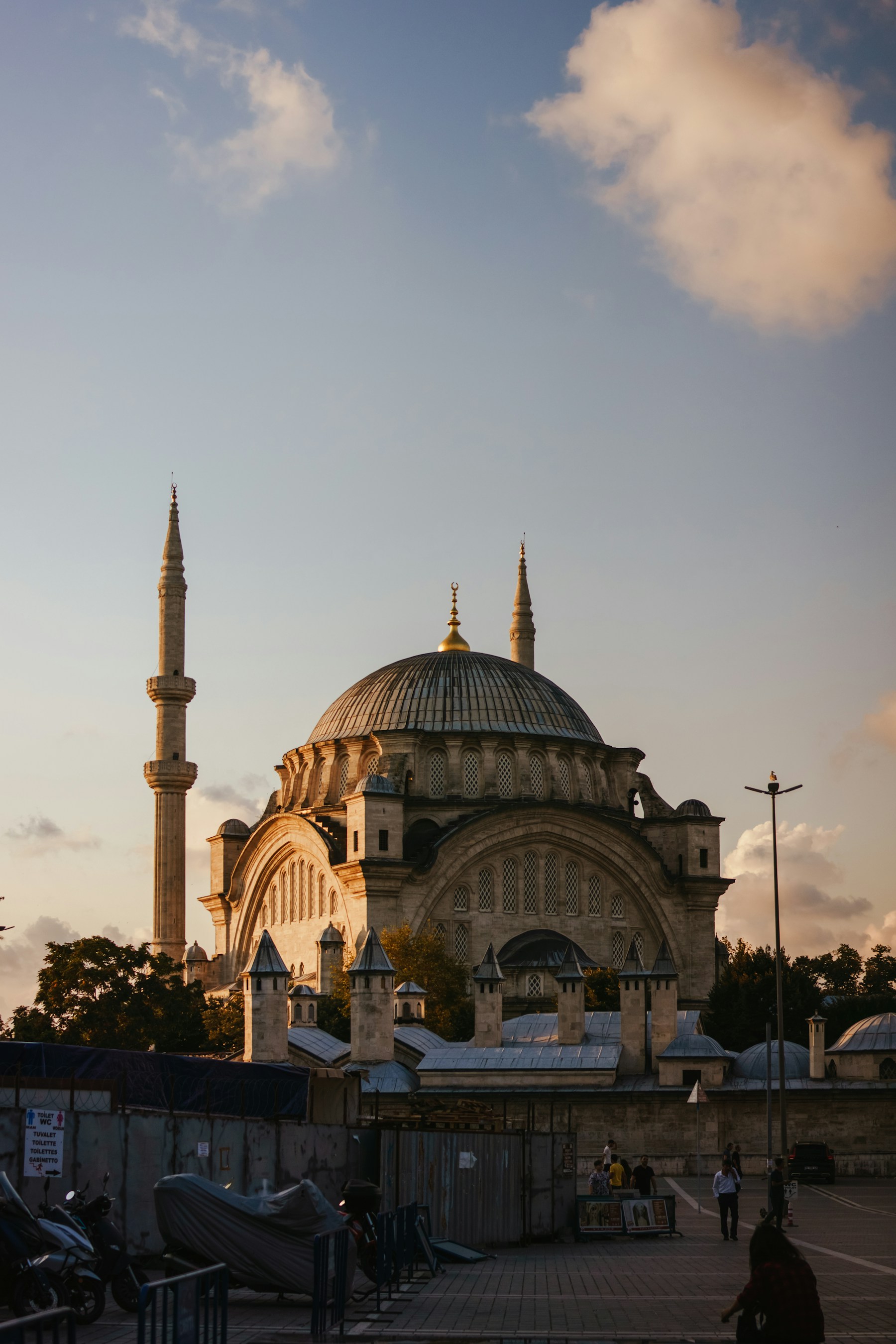
building detail
Hagia Sophia is a religious monument in Istanbul, Turkey, known for its vast central dome and layered sacred history.
Photo credit: Igor Sporynin / Unsplash License.
why it matters
Hagia Sophia helps readers connect Byzantine to visible design decisions: central dome, pendentive structure, mosaic and marble surfaces.
what to notice
explore by place and style
map notes
Use the coordinates as anchors for reading the buildings in relation to streets, water, skyline, and nearby landmarks.
41.0086, 28.980237.9715, 23.726741.8986, 12.4769Map coordinates are listed with provider attribution handled through the source records.
architecture guide
A fuller reading of the building's history, setting, form, materials, and public role.
The key fact about Hagia Sophia is that the famous building completed in 537 was not the first church on the site. It followed earlier structures destroyed by fire and revolt, including the church lost in the Nika revolt of 532. That matters because the present building was conceived as a larger and more ambitious answer to crisis. A reader should treat the date as a rebuilding fact, not only as a birth certificate. The architecture begins with replacement, imperial ambition, and the desire to make sacred space visible at a scale Constantinople had not seen before.
Hagia Sophia belongs to the reign of Emperor Justinian I, and that patronage explains the building's scale and confidence. It was not a quiet parish church. It was the main cathedral of Constantinople, built to carry imperial, liturgical, and urban meaning at once. The project gathered mathematics, engineering, materials, labor, and ceremony into one public statement. That context helps explain why the interior feels unusually vast: the building was meant to make political and sacred order spatially convincing.
The central dome is the fact that makes Hagia Sophia legible even to a first-time viewer. It is not simply a roof over a square. It rises from a system of arches, pendentives, semi-domes, and side volumes that distribute force while expanding the interior visually. The dome appears to float because structure, light, and wall surface are organized to reduce the sense of heavy support. This is why a useful facts page must move quickly from date to section: the building's identity is structural as much as historical.
The pendentives are essential because they solve the geometric transition between the square bay below and the circular dome above. Visitors may not name them at first, but they can see the effect: the dome does not sit bluntly on four walls. It is carried through curved triangular surfaces and large arches into a broader spatial system. That transition is the architectural lesson. Hagia Sophia makes a technical solution feel like a continuous interior atmosphere.
Hagia Sophia's fabric records different religious and political lives. It began as a Byzantine cathedral, was converted into a mosque after the Ottoman conquest of Constantinople in 1453, later became a museum, and has again been used as a mosque. These changes are not abstract timeline notes. They are visible in the building through minarets, calligraphic roundels, mosaics, screens, floor use, and conservation debates. The building is layered because history kept changing the way the same structure was read.
From outside, Hagia Sophia reads through dome, buttressing, minarets, mass, and its place in Istanbul's historic core. Inside, the reading shifts toward light, suspended space, galleries, marble, mosaics, calligraphy, and the dome's structural drama. Both views are necessary. An exterior-only reading can make the building look heavy and accumulated; an interior-only reading can hide the urban and Ottoman additions that shaped its current image. The facts are strongest when they connect the two.
Use the basic facts as viewing tools. The 532-537 rebuilding explains urgency and ambition. Justinian explains imperial scale. Anthemios and Isidoros explain why geometry matters. The dome and pendentives explain the spatial system. The Ottoman conversion explains minarets and Islamic interior elements. The World Heritage context explains why the site is a public preservation question as well as a building to visit. Those facts make Hagia Sophia less generic: it becomes a single structure carrying many architectural lives.
Hagia Sophia's design is powerful because it makes a huge masonry system feel unexpectedly light. The central dome is heavy in engineering terms, but the interior reduces that heaviness through windows, curved transitions, layered semi-domes, and a vast open middle space. The visitor senses enclosure and expansion at the same time. That tension is the core design achievement. The building does not deny mass; it turns mass into an atmosphere of height, light, and structural suspense.
The dome should be read as the visible end of a chain rather than as a single object. Four great arches, pendentives, semi-domes, exedrae, piers, and side spaces all help the central volume stay legible. This system matters because Hagia Sophia is not a simple domed room like a circular rotunda. It is a basilican space transformed by a dome. The design joins longitudinal movement with centralized height, which is why the interior can feel both directional and cosmic.
The semi-domes keep the central dome from becoming isolated. They extend the dome's force along the building and make the interior expand in stages. A viewer looking from the nave toward the apse sees not one roof but a cascade of curved surfaces. This staged expansion is a design strategy. It softens the transition from human scale to imperial scale and makes the main space feel larger than a single measured volume.
Light is not just decoration in Hagia Sophia. The ring of windows around the dome, the side openings, and the glow on surfaces all change how structure is perceived. Light makes supports appear less solid and separates upper surfaces from lower mass. This is why descriptions of the dome often focus on floating or suspension. The effect is not magic. It is a careful relationship between opening, geometry, surface, and the viewer's body in the space.
The upper galleries make the interior more complex than a single floor view suggests. They create secondary routes, different sightlines, and a layered public section. From below, the galleries add depth and shadow to the side walls. From above, they let the visitor understand the dome and arches from closer range. This matters because Hagia Sophia is not only a volume to stand inside. It is a spatial system that changes with level, direction, and distance.
The design today is inseparable from its layered religious use. Mosaics, marble revetment, calligraphic roundels, mihrab orientation, minarets outside, and later structural buttressing all participate in the current reading. A weak design analysis would describe these as competing decorations. A stronger analysis asks how different layers occupy the same great volume. Hagia Sophia's interior teaches that architecture can hold multiple regimes of image, ritual, and memory without becoming visually simple.
Compare Hagia Sophia with the Pantheon and St Paul's Cathedral. The Pantheon concentrates power into one ancient domed interior. St Paul's uses a layered dome to serve both interior worship and city skyline. Hagia Sophia is different because the dome transforms a basilican plan and then absorbs centuries of religious conversion and structural support. It is less a perfect object than a living section, where engineering, light, ritual, and historical change remain visible together.
Hagia Sophia's history is unusually visible because each major phase left architectural evidence. The sixth-century structure remains the main spatial body. Ottoman mosque use added minarets, calligraphic elements, and new liturgical orientation. Museum and conservation phases exposed, studied, or reframed earlier Christian mosaics. Current mosque use changes public access and interpretation again. The building is therefore not a frozen monument from 537. It is a layered historical document whose main space has been reread by different powers and communities.
The Nika revolt of 532 is more than background violence. It explains why Justinian could commission a building that felt like a new beginning. After destruction, the replacement cathedral had to demonstrate control, religious authority, and technical possibility. This helps the viewer understand the scale of the design. Hagia Sophia was not only repairing a lost church. It was making the imperial capital visibly whole again through architecture that exceeded the previous building's ambition.
Anthemios of Tralles and Isidoros of Miletos matter because the building's history is partly a history of knowledge. Their design is remembered not only for size but for the mathematical and structural intelligence required to carry the dome over a vast interior. That makes Hagia Sophia different from monuments whose importance lies mainly in patronage or decoration. Here, geometry itself became historical evidence: the building showed that technical imagination could serve imperial and sacred image.
The early dome problems and rebuilding after collapse are part of the historical reading, not embarrassing footnotes. They show that Hagia Sophia was an experiment at the edge of what builders could sustain. Earthquakes, structural adjustments, buttressing, repairs, and restorations all belong to the building's life. A perfect-looking dome would tell a simpler story. The actual history is more useful because it shows architecture as maintenance, correction, and survival over centuries.
The Ottoman conversion after 1453 changed Hagia Sophia's use and image, but it did not erase the older structure. Instead, it added a new historical reading to the same immense interior. Minarets changed the skyline. Islamic calligraphy and mosque furnishings changed the interior focus. Christian mosaics entered a more complicated public story. The building became powerful because the conversion was architectural as well as religious: it reorganized meaning while preserving the central spatial achievement.
The twentieth-century museum phase changed how many visitors understood Hagia Sophia. It presented the building as a world monument where Byzantine and Ottoman layers could be interpreted together through conservation, scholarship, and tourism. That phase matters even after later changes because it shaped modern expectations about access and heritage. The building's history now includes debates over whether it is primarily worship space, national symbol, world heritage, architectural archive, or all of those at once.
Hagia Sophia is part of the Historic Areas of Istanbul World Heritage context, which means its status is not only local or devotional. Preservation, access, interpretation, and change are international public questions. This does not make the building less religious or less Turkish. It means the architecture carries responsibilities beyond a single visitor's experience. The historical reading should therefore connect dome, empire, conversion, museum interpretation, mosque use, and heritage governance.
A useful history page should make Hagia Sophia harder, not flatter. The building is not simply a church that became a mosque, or a mosque that became a museum, or a famous dome. It is a sixth-century structural experiment that survived conquest, conversion, restoration, nationalism, tourism, worship, and preservation debate. Once those layers are visible, the building's importance comes from continuity through change rather than from one fixed identity.
Start the visit outside, where Hagia Sophia reads as an accumulated mass of dome, buttresses, minarets, lower roofs, and surrounding urban space. Do not look only for the perfect postcard angle. The exterior teaches that the building has been supported, extended, and reframed over centuries. A useful first photograph should include the central dome and at least one minaret or buttress, because that combination makes the layered history visible before entering.
The move from exterior to interior should feel like a time shift. Outside, the building can look heavy and compressed. Inside, the space opens upward through dome, light, and layered surfaces. Pause after entry to register that change. The threshold is not only a doorway. It is the moment when the building stops being an Istanbul landmark and becomes a spatial system of arches, galleries, and suspended height.
Inside, look up first. The central dome, its ring of windows, pendentives, and neighboring semi-domes explain the building's main design move. Try to trace how force seems to move from dome to arches to piers. Then look sideways to the galleries and walls. This order matters because Hagia Sophia's details make more sense after the structural drama is understood. The dome is the organizing event, not just one decorated surface among many.
Do not treat mosaics and calligraphy as rival decorations. Read them as evidence of different religious lives sharing the same architecture. Look for how Christian imagery, Islamic inscriptions, mihrab orientation, chandeliers, floor use, and large roundels occupy the vast interior. The point is not to decide which layer is original or dominant during a short visit. The architectural question is how the building allows multiple systems of meaning to remain visible.
If access allows, use upper or side viewpoints to change scale. From below, the dome can feel distant and atmospheric. From higher or oblique views, the arches, surfaces, and gallery edges become more legible. This shift helps the visitor understand Hagia Sophia as a section rather than a single hall. Even if gallery access is limited, look for side views and partial angles that show depth behind the main central space.
A strong visit should include at least one moment of structural attention. Look for buttressing outside, massive piers inside, irregular surfaces, patched materials, or places where the building feels adjusted rather than pristine. These are not defects to crop out. They are evidence that Hagia Sophia has survived through repair. The building's greatness depends partly on its ongoing negotiation with gravity, earthquakes, conversion, and public use.
After the interior, return to the surrounding city view. Hagia Sophia faces other monuments, tourist routes, public squares, and the wider historic peninsula. That setting changes the visit. The building is not an isolated masterpiece in a museum case. It is part of Istanbul's layered urban memory. A final exterior view should reconnect dome, minarets, crowds, skyline, and ground level, so the architectural record does not end only with the interior.
A useful visual record should include five views: an exterior mass with dome and minaret, a threshold or entry view, a central dome view, one layer comparison with mosaic or calligraphy, and one structural or repair detail. Those five images preserve the main questions of the building: urban presence, spatial transition, dome engineering, religious layering, and long-term survival. They also protect the visit from becoming one repeated wide-angle interior photograph.
continue reading
related buildings
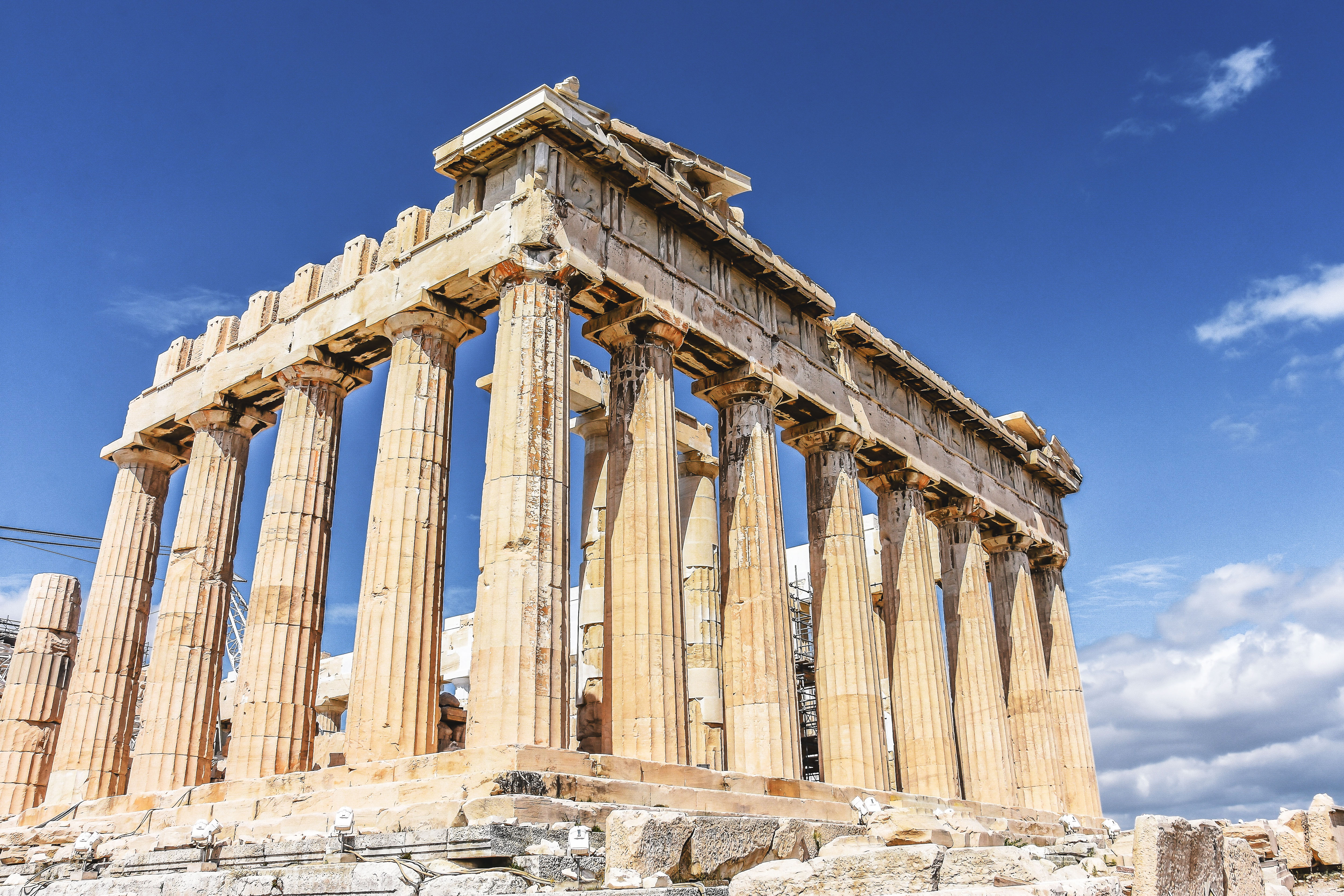
Parthenon is a temple in Athens, Greece, known for its Doric order, optical refinements, and Acropolis setting.
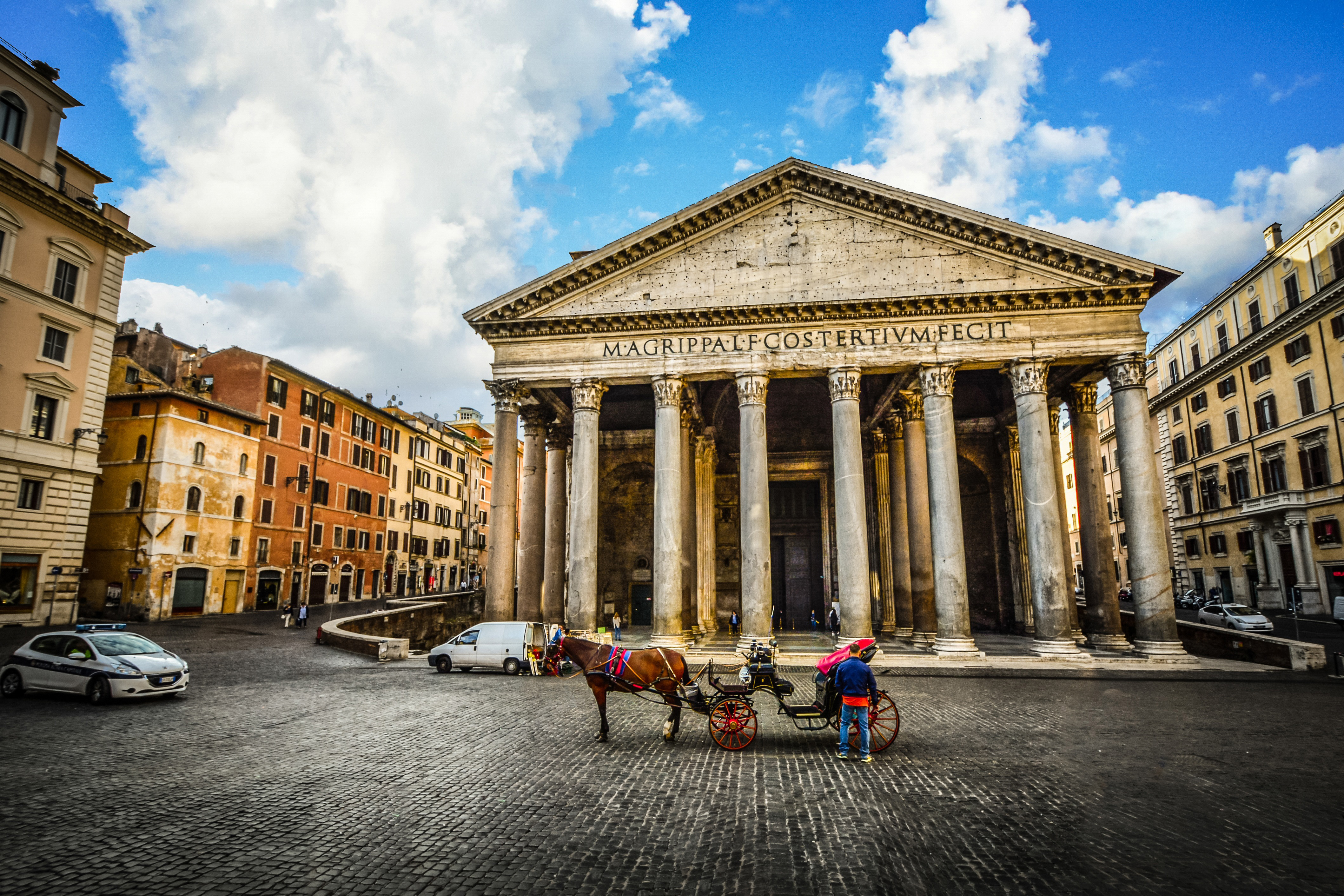
Pantheon Rome is a temple in Rome, Italy, known for its concrete dome, oculus, and classical portico.
References used for facts, location data, image credits, and architectural context on this page.