guide
Guggenheim Museum Bilbao History Beyond the Bilbao Effect
A museum tied to city reinvention
Guggenheim Museum Bilbao is historically important because it became linked to a city's attempt to change its public image. Bilbao had industrial and port identities before the museum became a global cultural symbol. The project used a riverfront site where architecture could be seen as renewal rather than only as cultural storage. This history explains why the building is often discussed outside architecture schools, in conversations about tourism, economics, and urban strategy.
The riverfront mattered historically
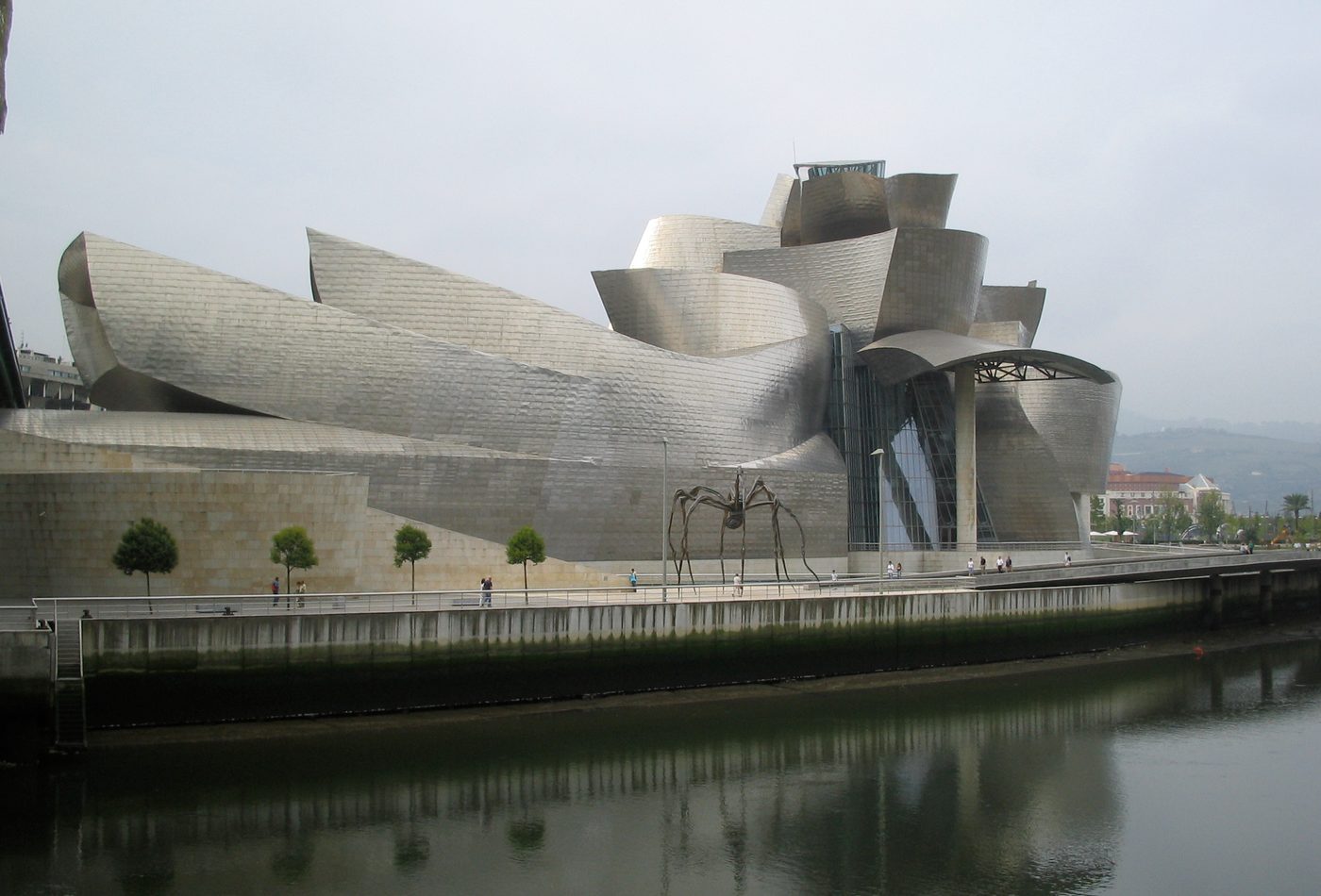
The museum's position on a former industrial edge is not background scenery. It is part of the historical argument. By occupying the river bend, the building helped make the waterfront legible as a place for culture, leisure, walking, and international attention. The museum therefore belongs to a broader pattern of postindustrial cities reworking old infrastructure into new public identity. The site turns the building into an urban document.
Frank Gehry's authorship changed museum expectations
The building made Frank Gehry's sculptural design language part of global public conversation. Before Bilbao, experimental museum forms existed, but this project showed how a highly expressive building could become more widely known than many collections inside it. That changed expectations for cultural institutions. Cities, donors, and museum boards began to imagine the museum building itself as a destination, brand, and media image.
The Bilbao effect needs a careful reading
The phrase Bilbao effect is historically powerful because it names a real perception: the museum became associated with tourism growth and city recognition. But it is also historically misleading when used as a formula. Bilbao's change involved infrastructure, planning, governance, investment, transport, and regional context. The museum became the visible symbol of those forces. It did not replace them. A good history page should keep both ideas in view.
Digital construction entered architectural memory
The museum also belongs to the history of digital design and construction. Its complex geometry required careful translation between model, structure, cladding, and site work. That history matters because later architecture absorbed the lesson. Complex surfaces became more plausible when design teams could coordinate irregular forms with greater precision. Bilbao therefore marks a shift in what the public could expect a large cultural building to look like.
Debate after success
The museum's success created a debate that still matters. Can a spectacular cultural building genuinely help a city, or does it encourage expensive image-making without deeper public value? Guggenheim Bilbao is the case that keeps the argument alive. It can be admired as architecture and still questioned as a model. That tension is part of its historical importance, not an embarrassment around it.
Historical reading check
A useful history of Guggenheim Bilbao should make the museum look less like a miracle object. It should be seen as an expressive building, a redevelopment symbol, a digital construction landmark, a tourism image, and a warning against easy replication. If those layers remain visible, the building becomes more valuable than a simple success story. It becomes a test case for how architecture enters public history.