guide
Leaning Tower of Pisa History from Foundation Failure to Icon
The history begins with Pisa's civic ambition
The Leaning Tower of Pisa belongs to a medieval city that built a cathedral precinct as a public statement. The tower should therefore be understood as more than a freestanding tourist object. It is part of a larger urban and religious display: cathedral, baptistery, cemetery, and campanile together showing wealth, skill, faith, and civic identity. The lean made it famous later, but the original ambition was already monumental.
A construction problem became historical identity
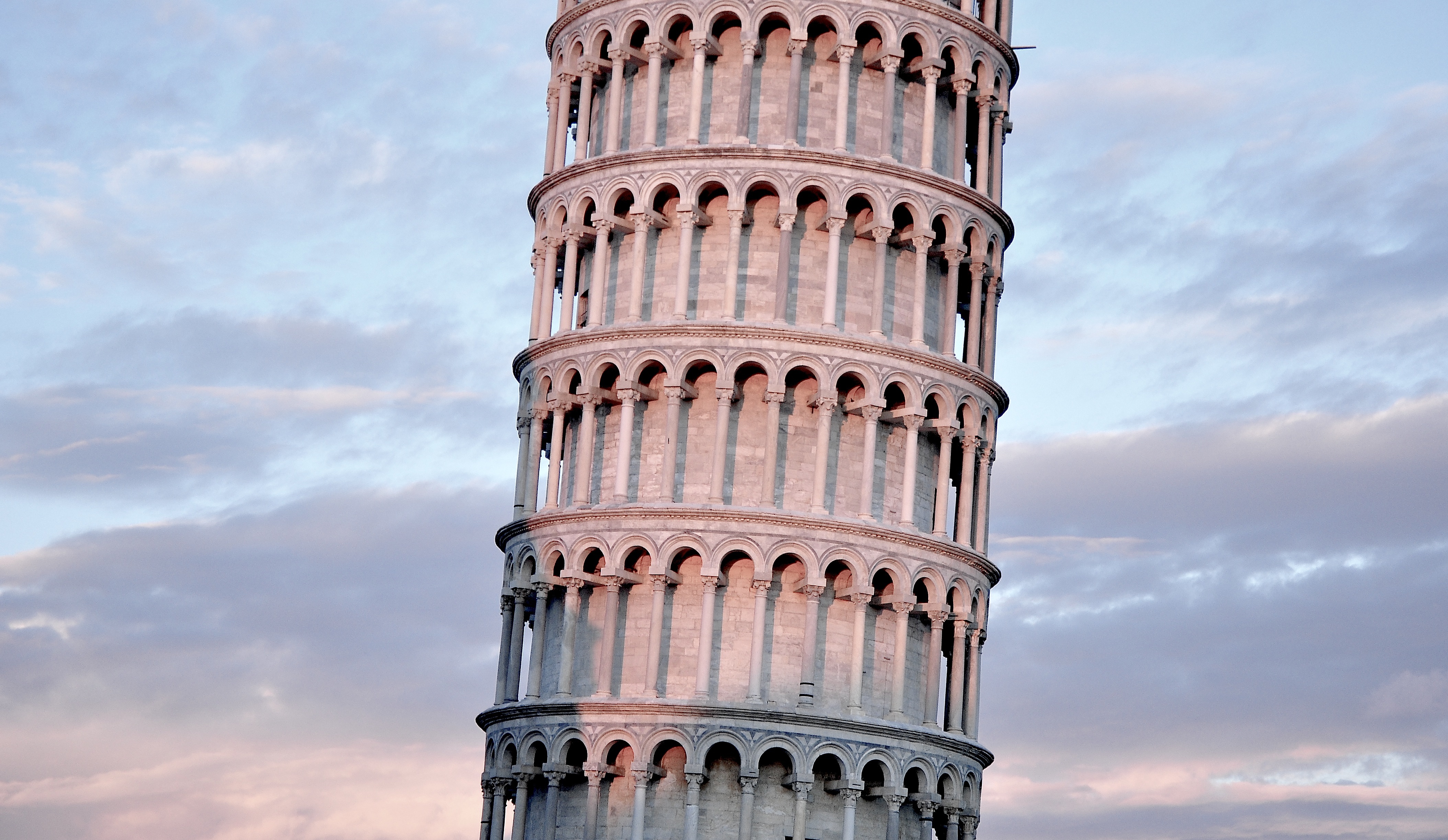
The most important historical turn is that a foundation problem did not simply ruin the building. Settlement during construction changed the tower's path and eventually became its identity. That history is unusual because many construction failures are hidden, corrected, or forgotten. Here the problem remained visible enough to define the monument. The tower's fame depends on the fact that failure, correction, and survival stayed attached to one object.
Interruptions made the tower a long project
The tower's construction history stretched across generations, which matters for interpretation. It was not a quick act of medieval engineering that accidentally tilted at the end. The building unfolded with pauses, adjustments, and changing conditions. A long construction process gave builders time to respond, but it also means the final tower records more than one moment. Its shape is a document of persistence under difficult circumstances.
The bell tower role kept the project serious
Because the building served as a campanile, its history cannot be reduced to a comic accident. Bell towers had civic, liturgical, acoustic, and symbolic roles. They marked time, presence, and religious order. The Leaning Tower's tilt may dominate public memory, but its intended role explains why the city continued to value the structure. It was a functional and symbolic piece of the cathedral complex, not merely a curiosity.
Tourism changed the monument's meaning
Modern tourism made the lean into a global image. Visitors often arrive with a joke or pose already in mind, but that popularity also changed how the tower is managed, photographed, and protected. The tower's history now includes the behavior of crowds, conservation limits, safety rules, and the pressure of being one of the world's most recognized architectural silhouettes. Public attention became part of the building's life.
Stabilization raised a heritage question
The modern conservation challenge was not simply to straighten or save the tower. The harder question was how to keep the visible lean while making the structure safe enough for continued public life. That makes the tower a useful heritage case. Conservation had to protect material, safety, and image together. If the tower lost its lean entirely, it would lose much of the historical condition that made it meaningful.
The precinct preserves a wider story
The Campo dei Miracoli keeps the tower within a larger historical field. Visitors can compare the campanile with the cathedral and baptistery, seeing how forms, materials, and open space express medieval Pisa's ambition. This wider view prevents the tower from becoming only a tilted object. It returns the monument to an ensemble where civic identity, religious architecture, and urban space explain each other.
The historical lesson
The tower's historical lesson is that architectural meaning can come from survival under pressure. The building began as a serious campanile, suffered a visible structural problem, developed over a long construction period, became an international image, and then required careful stabilization. Its story is not the triumph of perfect engineering. It is the more complicated story of how a flawed structure became protected cultural memory.