why it matters
Why this building matters
Leaning Tower of Pisa helps readers connect Romanesque to visible design decisions: leaning vertical axis, stacked arcades, relationship to cathedral precinct.
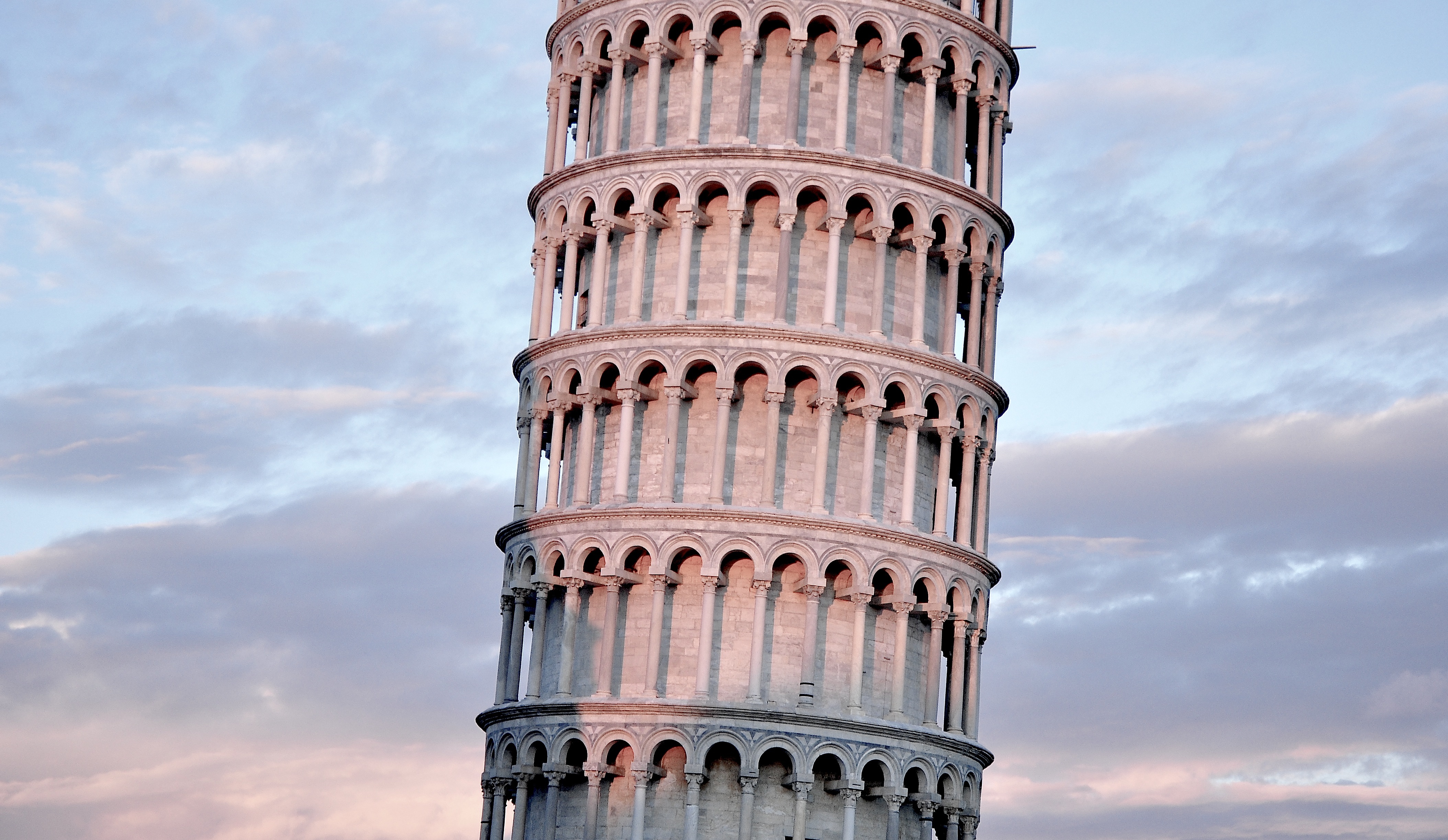
building detail
Leaning Tower of Pisa is a bell tower in Pisa, Italy, known for its circular arcades and famous tilt.
Photo credit: GoodFreePhotos / CC0 / Public Domain.
why it matters
Leaning Tower of Pisa helps readers connect Romanesque to visible design decisions: leaning vertical axis, stacked arcades, relationship to cathedral precinct.
what to notice
explore by place and style
map notes
Use the coordinates as anchors for reading the buildings in relation to streets, water, skyline, and nearby landmarks.
43.7230, 10.396655.7525, 37.623148.4475, 1.4878Map coordinates are listed with provider attribution handled through the source records.
architecture guide
A fuller reading of the building's history, setting, form, materials, and public role.
The Leaning Tower of Pisa is famous for its tilt, but the first useful fact is simpler: it is the freestanding campanile for Pisa's cathedral complex. That role changes the way the building should be read. It is not an isolated curiosity placed on an empty lawn. It belongs to a precinct of religious buildings where cathedral, baptistery, cemetery, and tower create a civic and sacred ensemble in marble, open space, and repeated round forms.
The tower's lean is not a decorative trick or a designed pose. It came from the relationship between height, weight, foundation, and soft ground. That makes the building valuable as an architectural lesson because the most famous visual effect is also evidence of construction difficulty. Visitors can see a structural problem before they know the dates. The tower turns settlement, correction, and stabilization into public form.
A quick fact sheet should not stop at the angle of lean. The circular plan matters because it gives the tower a continuous body without a single main facade. The stacked galleries wrap around the cylinder, so the building can be read from many directions across the precinct. This circular continuity makes the lean even more legible: the vertical rhythm is clear enough that the deviation from vertical becomes unmistakable.
The repeated arcades are not only ornamental. They create horizontal bands that let the eye compare level, column spacing, shadow, and rotation. Because each gallery repeats the previous one, the viewer can read the tower almost like a measuring instrument. The lean appears against a disciplined order. Without that order, the building would feel like an irregular mass; with it, the structural drama becomes precise and memorable.
The pale stone and marble surface help the tower belong to the wider cathedral precinct. The tower does not announce itself through a radically different material language. Its fame comes from a disturbance inside a shared visual order. This matters because the tower's identity depends on contrast: it looks like part of a coherent Romanesque ensemble, yet its body refuses the vertical stability that such order normally suggests.
The traditional completion date of 1372 can make the tower sound like one finished act, but the more useful fact is duration. The project unfolded across phases, interruptions, adjustments, and later stabilization. Its long life should be understood as part of the architecture. The tower is not just an old building that happened to lean. It is a building whose construction, correction, and conservation became part of its meaning.
Pisa's open cathedral precinct gives the tower room to be seen from distance and in relation to other forms. The lawn, cathedral wall, baptistery, and paths create comparison points. That field is why the lean is immediately visible to many visitors. The tower depends on surrounding space as much as on its own body. It is an object lesson in how setting can make a structural condition public.
Use the basic facts as viewing tools: campanile role, circular plan, stacked arcades, pale material, unstable ground, and long stabilization history. Together they explain why the tower is more than a novelty. It is a Romanesque bell tower whose public identity grew from the tension between formal order and physical instability. That tension is the fact that makes every photograph and visit meaningful.
The Leaning Tower of Pisa works visually because the underlying design is disciplined. The building is a clear cylinder wrapped in repeated galleries, columns, arches, and cornice lines. That regularity gives the eye a stable system to read. The lean then interrupts that system without destroying it. The result is stronger than a purely irregular object, because the viewer can see order and failure at the same time.
The circular plan means the tower has no single privileged facade. Visitors can walk around it and keep encountering the same arcade logic. This is important for a freestanding bell tower in an open field. It must work from changing angles rather than from one ceremonial approach. The lean also changes as the viewer moves, so the design asks for circulation around the object, not just one photograph from the lawn.
The tower could have felt like a plain shaft, but the stacked galleries break height into readable levels. Each ring of columns and arches gives the body a human-scale rhythm. The viewer can count, compare, and follow the vertical sequence upward. This modular reading softens the tower's mass while still preserving its height. The galleries make the building architectural rather than merely cylindrical.
Because the galleries repeat, the lean becomes easier to understand. The eye expects vertical alignment and horizontal stability. Instead, it sees a consistent arcade system carried off axis. That is the central design drama. The tower is not famous simply because it tilts; it is famous because the tilt happens to a building whose order makes the deviation visible. The design becomes evidence of the ground problem.
On the tower, ornament cannot be treated as surface noise. The columns, arches, and bands are also the parts that help viewers understand load, level, and rhythm. They give the tower a fine-grained structure of shadows and openings. This is why close views matter. From far away the lean dominates; from near the base, the repeated openings reveal how carefully the body is organized.
The tower's design becomes sharper when read beside the cathedral and baptistery. All three share a pale material world and a Romanesque language of rounded forms, but the tower is the one where instability becomes unavoidable. The ensemble therefore creates a controlled comparison. The cathedral reads as length and wall, the baptistery as centered mass, and the tower as vertical rhythm pulled away from vertical certainty.
Modern stabilization changed the way the tower is understood. A visitor is not only looking at medieval construction; they are looking at a heritage object whose famous defect had to be preserved without letting it become dangerous. That makes the tower a rare case where conservation protects not only material fabric, but also a visible structural condition. The lean is both problem and identity.
The design lesson is that architecture can become memorable through conflict between intention and condition. The intended order is clear: circular body, repeated arcades, bell-tower height, and precinct harmony. The ground condition disrupts that order. Instead of erasing the architecture, the disruption makes the architecture more legible. The tower teaches that a flaw can become meaningful only when there is enough design order for the flaw to be read.
The Leaning Tower of Pisa belongs to a medieval city that built a cathedral precinct as a public statement. The tower should therefore be understood as more than a freestanding tourist object. It is part of a larger urban and religious display: cathedral, baptistery, cemetery, and campanile together showing wealth, skill, faith, and civic identity. The lean made it famous later, but the original ambition was already monumental.
The most important historical turn is that a foundation problem did not simply ruin the building. Settlement during construction changed the tower's path and eventually became its identity. That history is unusual because many construction failures are hidden, corrected, or forgotten. Here the problem remained visible enough to define the monument. The tower's fame depends on the fact that failure, correction, and survival stayed attached to one object.
The tower's construction history stretched across generations, which matters for interpretation. It was not a quick act of medieval engineering that accidentally tilted at the end. The building unfolded with pauses, adjustments, and changing conditions. A long construction process gave builders time to respond, but it also means the final tower records more than one moment. Its shape is a document of persistence under difficult circumstances.
Because the building served as a campanile, its history cannot be reduced to a comic accident. Bell towers had civic, liturgical, acoustic, and symbolic roles. They marked time, presence, and religious order. The Leaning Tower's tilt may dominate public memory, but its intended role explains why the city continued to value the structure. It was a functional and symbolic piece of the cathedral complex, not merely a curiosity.
Modern tourism made the lean into a global image. Visitors often arrive with a joke or pose already in mind, but that popularity also changed how the tower is managed, photographed, and protected. The tower's history now includes the behavior of crowds, conservation limits, safety rules, and the pressure of being one of the world's most recognized architectural silhouettes. Public attention became part of the building's life.
The modern conservation challenge was not simply to straighten or save the tower. The harder question was how to keep the visible lean while making the structure safe enough for continued public life. That makes the tower a useful heritage case. Conservation had to protect material, safety, and image together. If the tower lost its lean entirely, it would lose much of the historical condition that made it meaningful.
The Campo dei Miracoli keeps the tower within a larger historical field. Visitors can compare the campanile with the cathedral and baptistery, seeing how forms, materials, and open space express medieval Pisa's ambition. This wider view prevents the tower from becoming only a tilted object. It returns the monument to an ensemble where civic identity, religious architecture, and urban space explain each other.
The tower's historical lesson is that architectural meaning can come from survival under pressure. The building began as a serious campanile, suffered a visible structural problem, developed over a long construction period, became an international image, and then required careful stabilization. Its story is not the triumph of perfect engineering. It is the more complicated story of how a flawed structure became protected cultural memory.
Begin by stepping back far enough to see the Leaning Tower of Pisa with the cathedral and baptistery. This prevents the visit from shrinking into one tilted object. The open field, pale buildings, and repeated Romanesque forms make the tower's role clear. It is the vertical campanile in a larger sacred and civic composition. The first photograph should show that relationship before focusing on the lean.
The most useful view is not always the playful forced-perspective shot. Look for an angle where the tower's axis can be compared with nearby verticals, the cathedral wall, or the edge of the frame. That comparison makes the lean architectural rather than comic. A good visit asks why the tilt is visible, how it changes the cylinder, and what surrounding reference points help the eye measure it.
Spend time near the base before looking upward. The base is where the tower's relationship to ground, weight, and entry becomes most tangible. Notice how the circular body meets the platform and how visitors move around it. The famous lean can make the building feel almost weightless in photographs, but the base reminds you that the tower is a heavy stone structure negotiating difficult ground.
As you move around the tower, follow one arcade level at a time. The repeated arches and columns make the tower legible as a set of rings. Compare the shadows, column spacing, and horizontal bands. This is the best way to turn looking into analysis. The galleries are not background decoration. They are the visual system that lets the tilt, height, and circular plan become readable.
Do not settle for one front view. The circular plan means the tower changes as you walk around it. From some angles the lean appears dramatic; from others the stacked galleries and relationship to the cathedral become more important. Walking the circumference also helps visitors understand why a freestanding campanile needs all-around design. The building performs in the round, not as a single facade.
After studying the tower alone, turn back to the other buildings in the field. Look for shared pale materials, rounded arches, arcaded surfaces, and the way each building handles mass differently. The tower is vertical and ringed, the cathedral is long and wall-like, and the baptistery is centralized. This comparison makes the tower less isolated and more architectural. It belongs to a family of forms.
A visit today is also a lesson in heritage management. Paths, access rules, crowd patterns, barriers, and restoration traces all shape the experience. Those controls should not be treated only as inconvenience. They are signs that the tower's public image depends on ongoing care. The building is famous because it leans, but it remains visitable because that lean has been monitored, stabilized, and managed.
A useful photo set should include one wide precinct view with cathedral and tower, one base view showing ground and entry, one close view of stacked arcades, and one comparison view that makes the tilt clear against another vertical reference. These four images tell a better architectural story than a single tourist pose. They capture setting, structure, detail, and the building's famous instability.
continue reading
related buildings

St Basil's Cathedral is a cathedral in Moscow, Russia, known for its clustered towers and colorful onion domes.
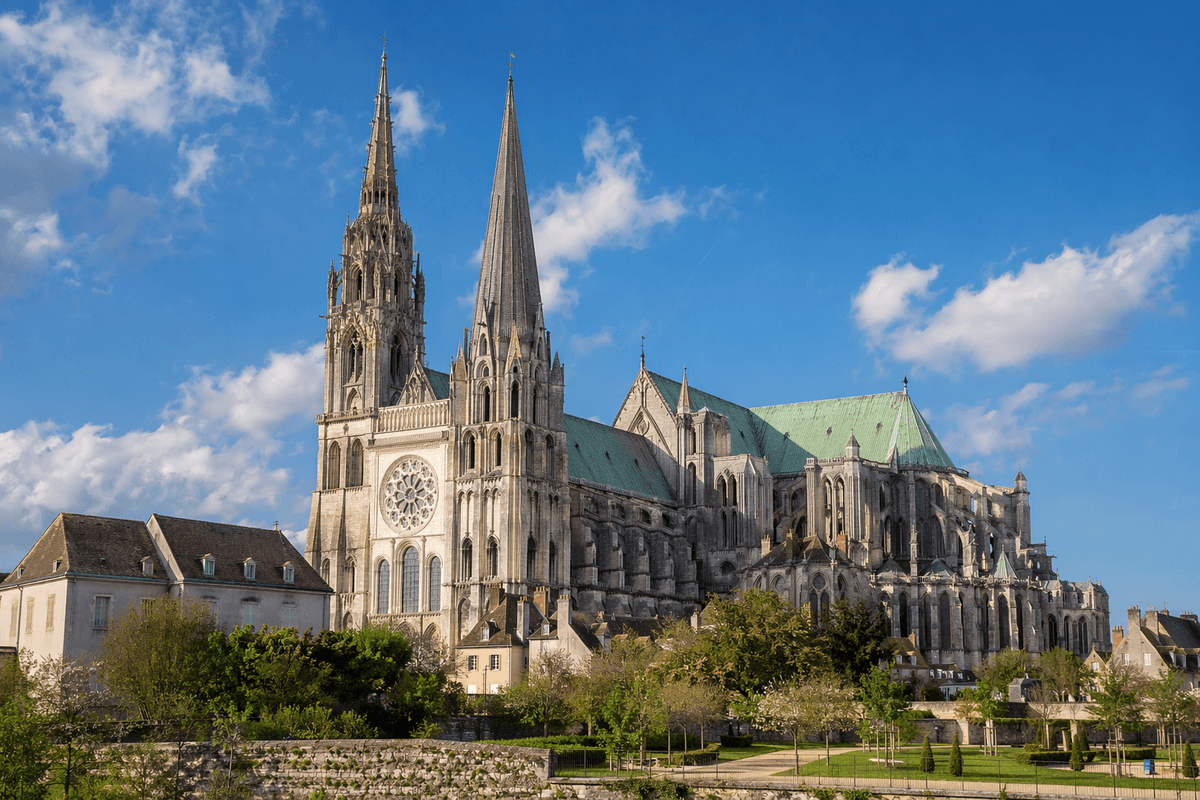
Chartres Cathedral is a cathedral in Chartres, France, known for its Gothic structure and exceptional stained glass.
References used for facts, location data, image credits, and architectural context on this page.